
India’s maritime sector has transformed over the last decade, with port capacity nearly doubling and inland waterway cargo increasing 710%, ahead of India Maritime Week 2025.
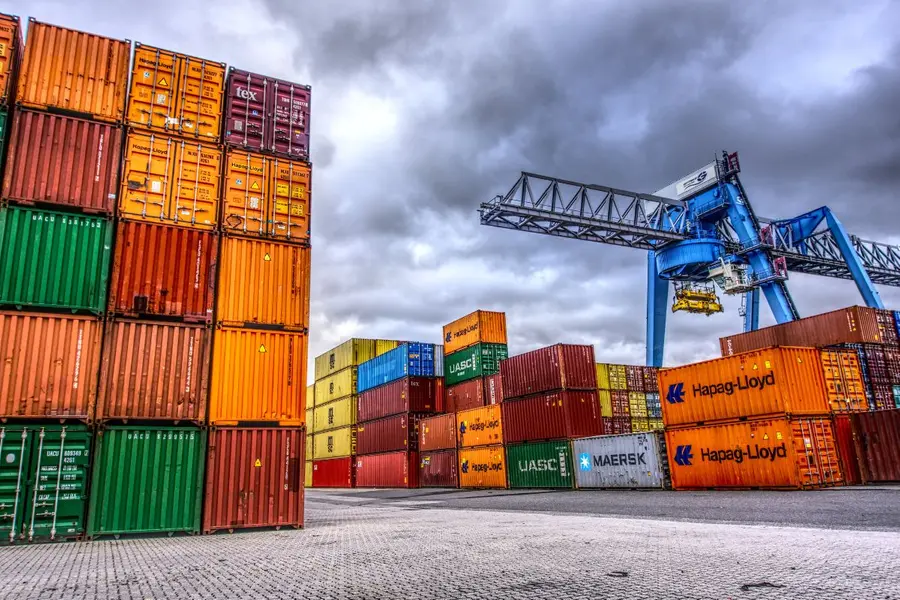
New Delhi: India’s maritime sector has recorded a decade of unprecedented growth from 2014 to 2025, with significant gains across ports, coastal shipping, and inland waterways, according to an official statement released ahead of India Maritime Week 2025, which begins in Mumbai on Monday.
The transformation is being driven by the Maritime India Vision 2030, supported by total investments of ₹3–3.5 lakh crore to modernise ports, expand shipping capacity, and strengthen inland waterways. A recent ₹69,725-crore package is also under implementation to boost shipbuilding and revitalise the broader maritime ecosystem.
India’s ports sector has nearly doubled its capacity, from 1,400 million metric tonnes per annum (MMTPA) to 2,762 MMTPA, reflecting major modernisation and infrastructure upgrades. The sector’s financial health has improved dramatically, with net annual surpluses rising from ₹1,026 crore to ₹9,352 crore, and the operating ratio improving from 73 per cent to 43 per cent, signalling more efficient and profitable operations.
Cargo handling volumes increased from 972 million metric tonnes (MMT) to 1,594 MMT, with major ports handling 855 million tonnes in FY 2024–25, up from 819 million tonnes in the previous year. Vessel turnaround times have dropped from 93 hours to 48 hours, further boosting productivity and global competitiveness.
India’s shipping sector has also expanded, with the number of Indian-flagged vessels rising from 1,205 to 1,549 and gross tonnage increasing from 10 million gross tonnes (MGT) to 13.52 MGT. Coastal shipping has nearly doubled its cargo movement, from 87 MMT to 165 MMT, reflecting a shift towards low-cost, eco-friendly transport.
Inland waterways have seen a remarkable surge, with cargo movement rising from 18 MMT in 2014 to 148 MMT in 2025, a growth of around 710 per cent. Operational waterways have increased from three to 29, significantly strengthening India’s inland transport network. The Inland Waterways Authority of India (IWAI) recently handed over the Haldia Multi-Modal Terminal in West Bengal to IRC Natural Resources. Built with World Bank support, the terminal has a capacity of 3.08 MMTPA and promotes multimodal logistics under the public-private partnership model.
Passenger ferry and Ro-Pax services have also grown, carrying over 7.5 crore passengers in 2024–25, reflecting the rising adoption of water-based transport for safe and efficient travel.
India’s seafarer workforce has more than doubled, from 1.25 lakh to over 3 lakh, now accounting for 12 per cent of the global seafaring workforce and positioning the country among the top three suppliers of trained seafarers worldwide.
To further support growth, the ₹25,000-crore Maritime Development Fund will provide long-term financing for shipping tonnage and shipbuilding capacity. Complementing this, the revamped Shipbuilding Financial Assistance Scheme (₹24,736 crore) and the Shipbuilding Development Scheme (₹19,980 crore) aim to address domestic cost challenges, incentivise ship-breaking, and support greenfield clusters and yard expansions.
India Maritime Week 2025 (IMW 2025), taking place from October 27 to 31 at the NESCO Exhibition Centre in Mumbai, will bring together global stakeholders from shipping, ports, and logistics. The five-day event expects participation from over 100 countries, more than 1,00,000 delegates, 500 exhibitors, thematic pavilions, technology demonstrations, and sessions on port-led development, shipbuilding clusters, and digital corridors.
IANS
Published: 26 Oct 2025, 03:01 pm IST
Related Topics
Disclaimer: Kindly avoid objectionable, derogatory, unlawful and lewd comments, while responding to reports. Such comments are punishable under cyber laws. Please keep away from personal attacks. The opinions expressed here are the personal opinions of readers and not that of Mathrubhumi.
