
Physically backed ETFs have suspended new subscriptions due to high premiums, impacting jewelry manufacturers and coin/bar availability
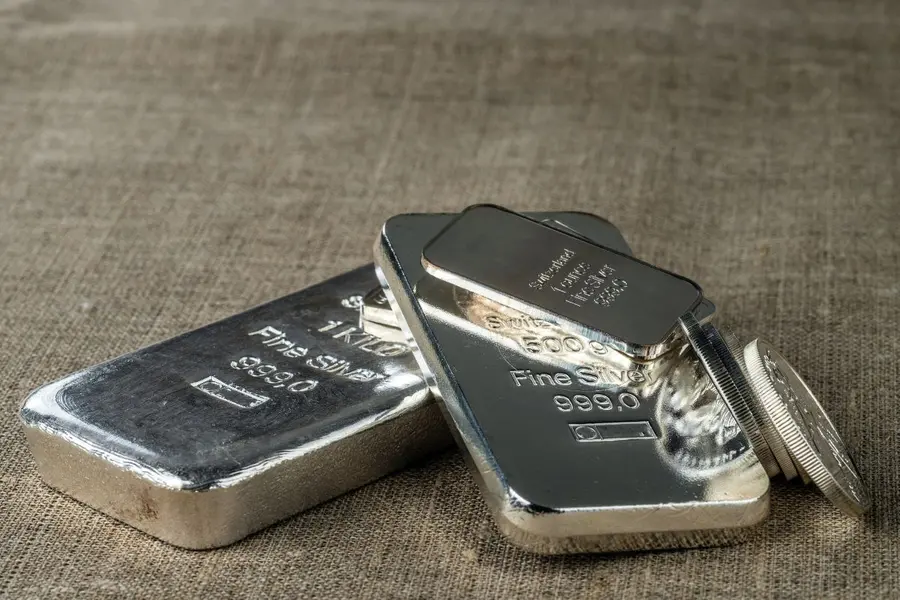
India is facing an unusual shortage of silver, with prices trading far above global rates. Strong demand from investors, industrial users, and festive shoppers has pushed premiums to record levels, leaving jewellers and manufacturers scrambling to secure enough supply.
The premium has surged to as much as 10 percent over global prices, prompting physically backed exchange-traded funds (ETFs) to suspend new subscriptions.
At the same time, jewellers are struggling to meet strong demand ahead of Diwali, when silver purchases traditionally rise.
What is driving the global silver supply shortage?
Global silver demand has exceeded supply for the last four years, consuming the surplus produced in the previous five years. Even in 2025, supply is finding it hard to catch up, as about 70 percent of silver is a by-product of mining other metals, limiting how quickly production can rise even when prices increase.
Industrial demand, particularly from renewable energy and high-tech sectors, continues to grow amid this supply crunch.
How is investment affecting silver availability?
The gap between supply and demand has attracted significant investment, including purchases of physically backed ETFs, coins, and bars, which has widened the structural deficit and pushed prices to new record highs.
The market has also been affected by a rise in silver shipments to the United States after its inclusion in a draft US critical minerals list in September.
Why is India particularly affected by the shortage?
India relies on silver for silverware, jewellery, coins, bars, and industrial applications such as solar energy and electronics. The country imports more than 80 percent of its silver demand.
In the first eight months of 2025, silver imports fell 42 percent to 3,302 tons, while investment demand, especially from ETFs, soared to record levels. This surge absorbed the surplus imported in 2024, creating a shortage that now requires additional overseas shipments.
Why can’t India simply import more silver?
Normally, the high premium over futures prices would encourage banks to boost imports to take advantage of cash premiums. But limited supplies from major producing countries, strong industrial and investment demand, and logistical bottlenecks have tightened the physical market in key trading hubs.
In London, the lease rates, or the cost of borrowing physical silver, have risen to more than 30 percent, adding further pressure.
Why have ETFs suspended new subscriptions?
Silver ETFs saw a record inflow of 53.42 billion rupees in September, a trend that continued into early October. By regulation, physically backed ETFs must hold the subscribed amount of silver in physical form, usually bought from banks and bullion dealers.
When they tried to procure silver last week, they faced hefty premiums, raising the acquisition costs for new subscribers. To protect investors from paying inflated prices, ETFs have temporarily stopped accepting new subscriptions.
How does the shortage affect consumers and manufacturers?
The shortage has made it almost impossible for manufacturers to produce silverware, while coins and bars, popular festive gifts, are trading at steep premiums. With investors expecting further price rises, few are willing to sell their existing holdings, keeping scrap supplies very limited.
Published: 14 Oct 2025, 12:05 pm IST
Related Topics
Disclaimer: Kindly avoid objectionable, derogatory, unlawful and lewd comments, while responding to reports. Such comments are punishable under cyber laws. Please keep away from personal attacks. The opinions expressed here are the personal opinions of readers and not that of Mathrubhumi.
