
The order clarifies that the restrictions will not apply to Bangladeshi exports destined for Nepal or Bhutan.
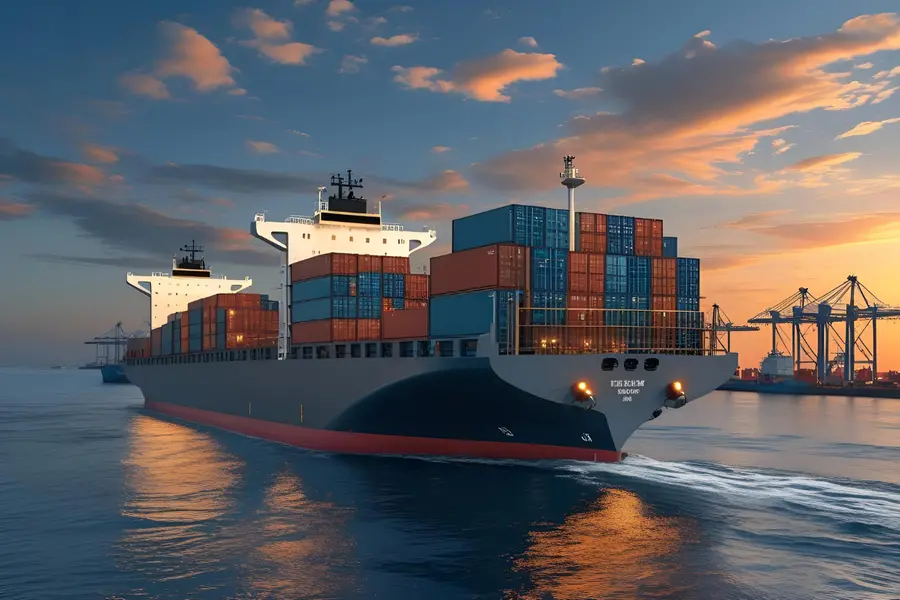
New Delhi: India has widened its import ban on goods from Bangladesh by adding more jute products to the list, amid worsening bilateral relations.
The expanded restrictions, effective immediately, cover bleached and unbleached woven fabrics made of jute or other bast fibres; twine, cordage, and rope made of jute; twine, cordage, rope, and cables; as well as jute sacks and bags.
These products will be prohibited from entering through any Land Customs Stations or Integrated Check Posts in Assam, Meghalaya, Tripura, and Mizoram, as well as through LCS Changrabandha and Fulbari in West Bengal.
According to a notification from the Directorate General of Foreign Trade (DGFT), the newly banned jute products from Bangladesh may now only be imported into India through the Nhava Sheva Seaport in Navi Mumbai.
The order clarifies that the restrictions will not apply to Bangladeshi exports destined for Nepal or Bhutan. However, it specifies that “re-export of the aforesaid Bangladesh goods to India from Nepal or Bhutan shall not be allowed.”
This move follows an earlier DGFT notification on June 27, which placed several Bangladeshi goods under regulation. The list included flax tow and waste (including yarn waste and garnetted stock); raw or retted jute and other textile bast fibres; jute (excluding flax, true hemp, and ramie); single flax yarn; single yarn of jute or other bast fibres; multiple folded yarn; woven fabrics of flax; and unbleached woven fabrics of jute or other bast fibres.
Prior to that, on May 17, India imposed a ban on the import of readymade garments, processed food items, and other goods from Bangladesh through cross-border trade points. The decision, which is expected to impact goods worth around $770 million (₹6,600 crore), significantly curtails overland trade with the neighbouring country.
Readymade garments, valued at $618 million (Rs 5,290 crore), now face strict routing through only two Indian seaports. This severely limits Bangladesh's most valuable export channel to India.
The other goods that have been barred from entry into India through the land customs stations on the border include fruit-flavoured carbonated drinks, processed foods, cotton and cotton yarn waste, plastic and PVC finished goods, and wooden furniture. The total value of these items is pegged at around $153 million (Rs 1,310 crore).
According to the directive, "Import of all kinds of Ready-Made Garments from Bangladesh shall not be allowed from any land port; however, it is allowed only through Nhava Sheva and Kolkata seaports."
The Indian move came after the Bangladesh government in April banned the import of yarns from India to the country via land ports through a notification from the National Board of Revenue.
Earlier, India terminated the trans-shipment facility for Bangladesh, which allowed the latter to export its products to other countries through Indian seaports and airports.
India is Bangladesh's second-largest trading partner after China. In the fiscal 2022-23, Bangladesh-India trade amounted to around $16 billion.
Bangladesh imported goods worth about $14 billion, while its exports to India stood at $2 billion, as per industry data. IANS
Published: 12 Aug 2025, 02:08 pm IST
Related Topics
Disclaimer: Kindly avoid objectionable, derogatory, unlawful and lewd comments, while responding to reports. Such comments are punishable under cyber laws. Please keep away from personal attacks. The opinions expressed here are the personal opinions of readers and not that of Mathrubhumi.
