
While some senior specialists have backed the political critique, medical bodies warn that sweeping accusations could cause public panic during cardiac emergencies.
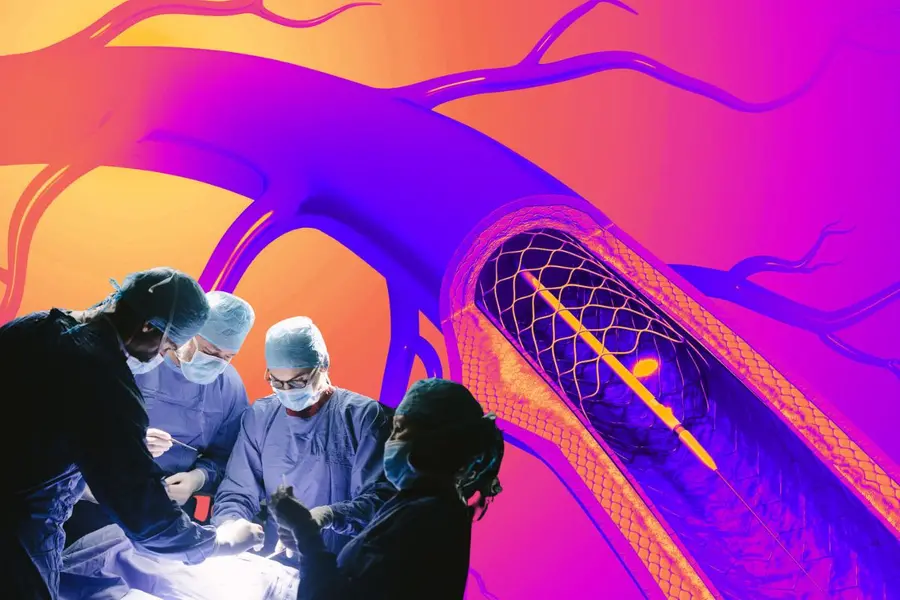
Remarks made by Kerala Chief Minister V.D. Satheesan warning against unnecessary angioplasty procedures have sparked a fierce debate across the health sector. While some senior specialists have backed the political critique, medical bodies warn that sweeping accusations could cause public panic during cardiac emergencies.
Speaking at the inauguration of the Kerala Heart Care Society's silver jubilee in Kozhikode, Chief Minister Satheesan called for a public campaign against unwarranted procedures. He argued that certain hospitals perform angioplasties to fulfill commercial interests rather than genuine clinical necessity.
The remarks found quick support from Dr Rajesh G. Nair, head of cardiology at Kozhikode Government Medical College. He publicly praised the Chief Minister for having the courage to highlight an uncomfortable reality, opening the floodgates to public messages detailing negative hospital experiences alongside sharp criticism from fellow physicians.
Medical associations warn against generalized mistrust
In response, the Indian Medical Association (IMA) acknowledged the good intention of preventing wasteful treatments, but expressed deep disappointment over broad public claims. The association cautioned that generalised doubt could lead patients to view essential medical procedures with suspicion and delay urgent treatment. They added that unethical practices must be investigated using concrete evidence rather than broad generalizations.
Cardiologists emphasized that patient care depends on individual risk factors and scientific evaluation. For stable patients without severe symptoms, experts noted that seeking a second medical opinion is appropriate. However, during an acute heart attack, treatment is extremely time-sensitive, requiring angioplasty within a critical 90-minute window to prevent fatal outcomes.
Registry figures highlight emergency care demands
Data from the Interventional Cardiology Council of Kerala registry show that over 70 per cent of angioplasties in the state are performed for acute emergencies. Council leadership stressed that modern heart care relies on precise diagnostics, including ECGs, cardiac biomarkers, and advanced imaging, to determine treatment. Medical leaders urged the public not to let anxiety surrounding routine procedures compromise rapid response during life-threatening heart attacks
Published: 06 Oct 2026, 12:14 pm IST
Related Topics
Disclaimer: Kindly avoid objectionable, derogatory, unlawful and lewd comments, while responding to reports. Such comments are punishable under cyber laws. Please keep away from personal attacks. The opinions expressed here are the personal opinions of readers and not that of Mathrubhumi.
