
GST Council meeting to discuss simplifying tax slabs, reducing rates on consumer goods, and increasing taxes on luxury vehicles and EVs.
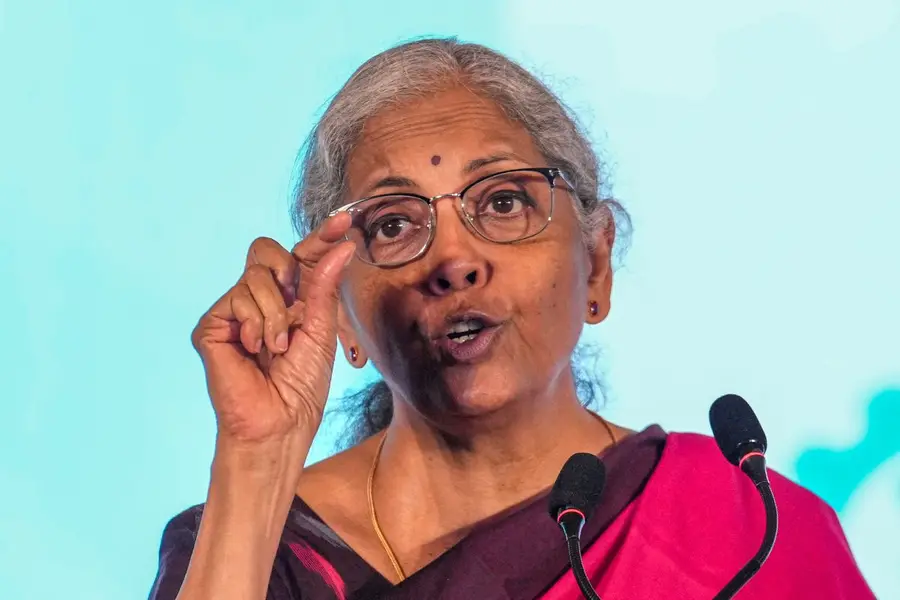
New Delhi: The 58th meeting of the GST Council, chaired by Union Finance Minister Nirmala Sitharaman will kick off today amid high expectations of a major revamp of the Goods and Services Tax (GST) structure. The meeting follows Prime Minister Narendra Modi’s renewed push for tax reforms and could see rate cuts and structural changes aimed at simplifying the current system.
What’s likely to change?
At the heart of the discussions is a proposal to overhaul the existing four-tier GST rate structure, currently set at 5%, 12%, 18%, and 28%, to a simplified two-tier system. Under this plan:
5% GST would apply to essential goods.
18% GST would be levied on non-essential and consumer durables.
An additional 40% “sin tax” slab is being proposed for items like tobacco and luxury vehicles priced over ₹50 lakh.
Top consumer items set for GST rate cuts
According to Reuters, as many as 175 items are reportedly under review for GST reductions, with several expected to become significantly cheaper for the average consumer. Key items that may shift to the 5% slab include:
Personal care products like toothpaste, soaps, shampoo, and talcum powder, down from 18%
Dairy items like butter and cheese
Ready-to-eat foods including pickles, snacks, and chutneys, dropping from 12–18%
Most textile and food items will also move to the 5% bracket, giving a fillip to consumer goods firms like Hindustan Unilever, Godrej and Nestle India.
Electronics & cement may get cheaper
Currently taxed at 28%, consumer durables like televisions, refrigerators, washing machines, and air-conditioners could be brought down to the 18% GST bracket. Cement, another high-taxed item, is also likely to see a similar reduction from 28% to 18%, which could impact sectors like housing and infrastructure.
Auto sector: Winners and losers
The automobile industry is likely to see mixed outcomes from the Council’s decisions:
Small petrol cars (engine size up to 1,200 cc) and small hybrid vehicles may benefit from a tax cut from 28% to 18%, benefiting players like Maruti Suzuki and Toyota.
According to the Reuters report, Electric vehicles (EVs) in the ₹20–40 lakh range might see GST rise from 5% to 18%, potentially affecting brands like Tata Motors and Mahindra & Mahindra.
Luxury EVs, including those from Tesla and BYD, could face an even steeper hike under the proposed 40% “luxury” slab.
Two-wheelers in the spotlight
A long-standing demand from the two-wheeler industry—to cut GST from 28% to 18%—is expected to be addressed. If approved, companies like Hero MotoCorp, which has struggled with weak commuter bike sales, could see immediate relief.
However, the Council may draw a line on what qualifies as a luxury two-wheeler. Bikes with engine capacity above 350cc could be classified under the luxury slab and taxed at 40%. This could negatively impact Royal Enfield and Bajaj Auto, both dominant players in the premium motorcycle segment.
Published: 03 Sept 2025, 12:40 pm IST
Related Topics
Disclaimer: Kindly avoid objectionable, derogatory, unlawful and lewd comments, while responding to reports. Such comments are punishable under cyber laws. Please keep away from personal attacks. The opinions expressed here are the personal opinions of readers and not that of Mathrubhumi.
