
As for delivery platforms, whether or not customers will end up paying more depends on how platforms choose to manage the new tax burden
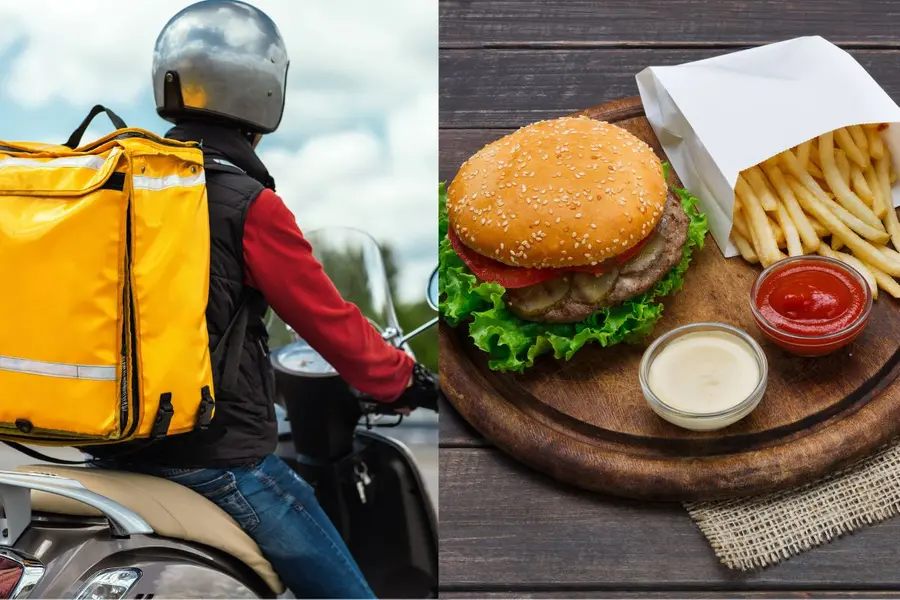
New Delhi: Recent changes in India’s Goods and Services Tax (GST) rules are expected to affect different parts of the food services industry in very different ways, according to a new report by brokerage firm Bernstein.
While online food delivery apps like Zomato and Swiggy could face higher costs, quick-service restaurants (QSRs) such as Domino’s, McDonald’s, and Burger King may actually gain from tax cuts on key ingredients.
Delivery platforms to pay more
The biggest change is a new 18% GST on local delivery services provided through Electronic Commerce Operators (ECOs) — which includes popular food delivery platforms.
Until now, delivery fees were not taxed, but under the new rules, these charges — which make up 10–20% of the platforms’ revenue — will now fall under the 18% GST bracket.
According to Bernstein, "This impact may be absorbed completely or could be shared partially with restaurant partners" — meaning you could see higher delivery fees, or restaurants might bear some of the cost.
Charges like platform fees, surge pricing, and packaging were already taxed at 18%, so those won’t change.
Fast-food chains may see savings
In contrast, QSR chains are expected to benefit from GST cuts on inputs such as:
- Cheese
- Butter, ghee, margarine
- Sauces
- Packaging materials
Since these restaurants can’t claim input tax credit (which many other businesses can), any tax they pay on ingredients directly eats into their profits. So, a tax reduction means immediate cost savings.
Bernstein estimates that this change could improve profit margins by 70–80 basis points (0.7–0.8%) for major chains. For smaller organised players, the benefit could be 20–40 basis points.
Will this affect menu prices?
There’s a possibility that QSR chains could pass on some of the savings to consumers, either by cutting prices or offering more promotions, especially if they want to boost sales.
As for delivery platforms, whether or not customers will end up paying more depends on how platforms choose to manage the new tax burden — they might raise fees, or negotiate new terms with partner restaurants.
The report concludes that these GST changes mark a key shift for India’s booming food delivery and fast-food sectors — increasing costs for delivery apps, but boosting profitability for QSRs, potentially even benefiting customers if prices drop.
In simple terms: Ordering in might get costlier, but grabbing a quick bite at a fast-food chain could become cheaper.
Published: 08 Sept 2025, 02:42 pm IST
Related Topics
Disclaimer: Kindly avoid objectionable, derogatory, unlawful and lewd comments, while responding to reports. Such comments are punishable under cyber laws. Please keep away from personal attacks. The opinions expressed here are the personal opinions of readers and not that of Mathrubhumi.
