
EPFO is set to launch EPF 3.0 in early 2026, promising faster, simpler PF withdrawals through ATMs, UPI, and automated digital verification for over 30 crore subscribers
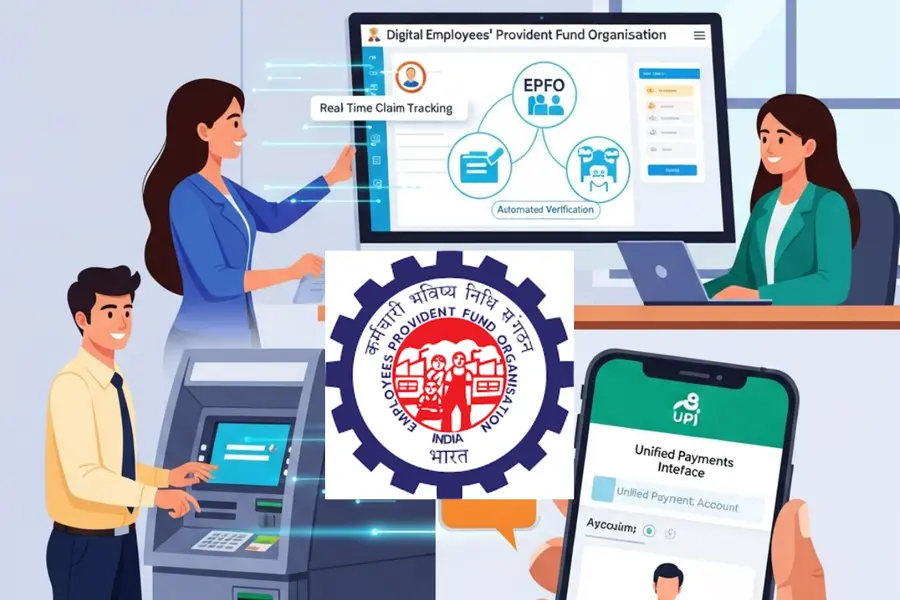
The Employees’ Provident Fund Organisation (EPFO) is rolling out EPF 3.0 as part of its digital modernisation plan. The new system aims to simplify PF withdrawals, reduce delays, and improve transparency for employees across India. Once implemented, withdrawals can be processed faster, and subscribers can access funds conveniently via ATMs and UPI.
Simplified withdrawal rules
Also Read

Partial withdrawal rules have been streamlined from 13 categories to three:
- Emergency or essential needs (illness, education, marriage)
- Housing-related withdrawals
- Special circumstances
The withdrawal limits have also been increased: up to 10 times for education and 5 times for marriage, with a minimum of 12 months of service required for partial withdrawals. Subscribers must maintain at least 25% of their PF balance to secure retirement funds and continued interest accrual at 8.25%.
Also read: EPFO clarifies missing EPF passbook entries for September–October 2025
Digital and automated features
EPFO 3.0 introduces automated verification of Aadhaar, PAN, bank accounts, and employer details. This reduces manual checks, speeding up claim processing. Subscribers will also be able to track claims in real time through the enhanced EPFO portal.
Impact on employees
- Faster processing of partial withdrawals, final settlements, medical and housing-related claims.
- Seamless PF transfers during job changes, automatically updating employment history and maintaining account continuity.
- Requirement for subscribers to update KYC details (Aadhaar, PAN, bank account, UAN) for smooth withdrawals.
Additional benefits
The digital reforms under EPF 3.0 reduce human errors, enhance transparency, and integrate AI-based verification systems. Subscribers can expect a more user-friendly experience and quicker access to their Provident Fund.
EPF 3.0 will modernise the PF system for over 30 crore Indian employees, making withdrawals faster, easier, and fully digital. With automated verification, UPI and ATM access, and streamlined rules, the new framework promises a major upgrade in Provident Fund management.
Published: 28 Nov 2025, 09:53 am IST
Related Topics
Disclaimer: Kindly avoid objectionable, derogatory, unlawful and lewd comments, while responding to reports. Such comments are punishable under cyber laws. Please keep away from personal attacks. The opinions expressed here are the personal opinions of readers and not that of Mathrubhumi.