
India’s new labour codes have come into force, promising minimum wages, timely payments, expanded social security, and equal opportunities for 40 crore workers. From gig workers and women employees to MSME and IT staff, here’s what changes and who benefits.
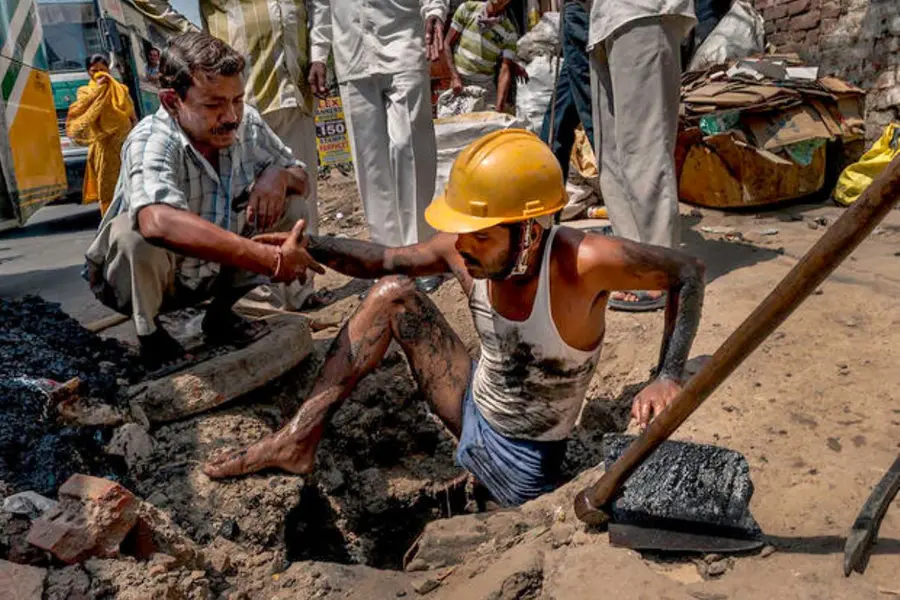
Union Minister of Labour and Employment, Youth Affairs and Sports, Mansukh Mandaviya, on November 21, announced the nationwide implementation of the Centre’s four new labour codes, calling it a transformative step for India’s workforce.
In a post on X, Mandaviya said the reforms “are not just ordinary changes, but a major step taken by Prime Minister Narendra Modi for the welfare of the workforce,” adding that they would accelerate India’s development goals for 2047.
The Ministry of Labour and Employment confirmed that the government has rationalised 29 existing labour laws and replaced them with four modernised codes:
- Code on Wages, 2019
- Industrial Relations Code, 2020
- Code on Social Security, 2020
- Occupational Safety, Health and Working Conditions (OSHWC) Code, 2020
The codes, the Ministry said, update labour governance frameworks that originated in the 1930s–50s, bringing them in line with global standards.
- Snapshot: What the new labour codes guarantee
- Timely minimum wages for all workers
- Appointment letters for every employee
- Equal pay and non-discrimination for women
- Social-security coverage for 40 crore workers
- Gratuity for fixed-term employees after one year
- Free annual health check-ups for workers aged 40+
- Double wages for overtime
- Full health protection for hazardous-sector workers
- International-standard social justice and safety norms
Key Reforms Under the New Labour Codes
1. Formalisation and Transparency: Appointment letters are now mandatory for all workers, ensuring clear employment terms, job security, and transparency.
2. Universal Social Security: For the first time, gig and platform workers are formally recognised.
Under the Social Security Code, all workers—formal, informal, gig, platform, MSME, contract—will be covered under PF, ESIC, insurance, and pension frameworks. Aggregators will contribute 1–2% of turnover (capped at 5% of worker payouts) towards gig and platform worker welfare.
A Universal Account Number, Aadhaar-linked and portable across states, will enable easy access to benefits.
3. Minimum Wages and Timely Payment
The Code on Wages guarantees:
- Statutory minimum wages for all workers, regardless of sector
- Timely disbursal of wages
- A national floor wage ensuring no worker earns below basic living standards
4. Preventive Healthcare: All workers aged 40+ must receive a free annual health check-up, promoting early diagnosis and reducing long-term risks.
5. Women’s Empowerment: Women can now work night shifts and in all establishments, including mining and hazardous sectors—subject to consent and safety measures.
The reforms ensure:
Equal pay for equal work
Mandatory women’s representation in grievance committees
Inclusion of parents-in-law in the definition of dependents for benefits
Sector-Wise Impact
Fixed-Term Employees:
- Full benefits equal to permanent workers
- Gratuity eligibility reduced to 1 year
- Encourages direct hiring over contractual employment
MSME Workers:
- Social-security coverage regardless of scale
- Guaranteed minimum wages
- Access to basic amenities like canteens and rest areas
- Double wages for overtime
Contract Workers:
- Eligibility for social security and PF
- Principal employer responsible for health and welfare
- Free health check-ups
IT & ITES Workforce:
- Salary must be released by the 7th of every month
- Gender-neutral pay, strong dispute-resolution mechanisms
- Women allowed night shifts with safety guarantees
Plantation & Beedi Workers:
- Minimum wage protections
- Capped working hours (48 hours/week)
- Bonus after 30 days (beedi workers)
- ESIC medical facilities for families; education support for children
Mine & Hazardous Industry Workers:
- Annual free health check-ups
- National safety standards
- Maximum 8–12 working hours per day
- Mandatory on-site safety committees
Audio-Visual & Digital Media Workers:
- Mandatory appointment letters
- Double wages for overtime
- Formal recognition for journalists, stunt workers, and dubbing artists
Dock & Export Sector Workers:
- PF, insurance, pension benefits for all
- Written consent and safety protocols for overtime/night shifts
- Medical and sanitation facilities are ensured at work sites
Structural Reforms for Ease of Doing Business:
- Single registration, single licence, single return nationwide
- Inspector-cum-facilitator model to reduce harassment and promote compliance
- Faster dispute resolution through two-member tribunals
- National OSH Board for harmonised safety standards
A Major Shift in India’s Labour Ecosystem:
With social-security coverage rising from 19% in 2015 to 64% in 2025, the government said the new codes mark the next leap in worker protection. The laws aim to balance worker welfare with employer flexibility, improving safety, employment, skilling and industry competitiveness.
During the transition, existing rules and notifications under older labour laws will continue to operate until new frameworks are fully finalised.
Published: 21 Nov 2025, 05:54 pm IST
Related Topics
Disclaimer: Kindly avoid objectionable, derogatory, unlawful and lewd comments, while responding to reports. Such comments are punishable under cyber laws. Please keep away from personal attacks. The opinions expressed here are the personal opinions of readers and not that of Mathrubhumi.
