
Kerala notifies snakebite envenomation as a public health priority to save lives
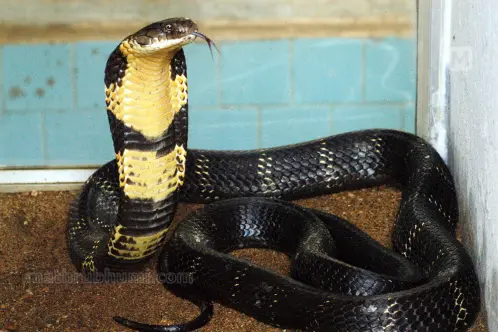
Snakebite envenomation is a medical condition caused when a venomous snake injects its venom into a person through a bite. The venom can cause serious health problems such as paralysis, severe bleeding, kidney failure, tissue damage, permanent disability, or even death if not treated promptly. Children are particularly vulnerable as their smaller body mass means the venom affects them faster.
Globally, snakebites are a neglected public health issue, especially in tropical and subtropical regions like Asia, Africa, and Latin America. In Asia, up to two million people are envenomed each year, while in Africa, between 435,000 and 580,000 snakebites require treatment annually. Victims are often women, children, and farmers in poor rural communities where health systems are weak and medical resources scarce.
Despite the dangers, a highly effective treatment exists. High-quality antivenoms can prevent or reverse most effects of snakebite envenomation. They are included in the WHO List of Essential Medicines and should be part of primary healthcare in areas where snakebites are common. However, access to antivenoms is limited in many countries due to low production, high prices, poor distribution, and lack of reliable data on snakebite incidence.
Kerala government’s action
To tackle this growing problem, the Kerala government has notified snakebite envenomation as a disease of utmost public health importance under Section 28 of the Kerala Public Health Act, 2023. The move, formalised in a gazette notification on Friday, allows for better documentation, data collection, research, and data-driven management of snakebite cases in the state.
The notification comes as authorities urge caution during the snake mating season, which sees more than 70% of snakebite deaths occurring between October and December. By making snakebite a notifiable disease, Kerala joins Tamil Nadu and Karnataka in ensuring that cases are systematically reported and managed.
Better data collection is expected to help health authorities understand where and how snakebites occur, improve access to antivenoms, and reduce preventable deaths and disabilities. With this step, Kerala aims to protect residents, especially those in rural areas, by ensuring timely treatment and raising awareness about the risks of snakebites.
Published: 12 Oct 2025, 06:36 pm IST
Related Topics
Disclaimer: Kindly avoid objectionable, derogatory, unlawful and lewd comments, while responding to reports. Such comments are punishable under cyber laws. Please keep away from personal attacks. The opinions expressed here are the personal opinions of readers and not that of Mathrubhumi.
