
Kerala has faced Shigella outbreaks on several occasions over the years.
A seven-year-old boy from Pookkottur in Malappuram died of Shigella infection on Monday, becoming the fourth person to die from the disease in Kerala this year and the third fatality reported in June.
The child, Arjav, was undergoing treatment at the Government Medical College Hospital in Kozhikode. Health officials said he was admitted on June 12 with fever and diarrhoea and was later diagnosed with Shigella infection.
The death comes amid a rise in cases across the state. According to the Directorate of Health Services (DHS), Kerala had reported 138 confirmed Shigella cases and 77 suspected cases till June 14. Of these, 62 confirmed cases and 17 suspected cases were recorded in June alone. Three fresh confirmed cases were reported on June 14.
With the latest death drawing attention to the infection once again, here is what is known about Shigella and its spread in Kerala.
What is Shigella?
Shigella is a bacterium that causes an intestinal infection known as shigellosis, a form of dysentery. It was named after Japanese scientist Kiyoshi Shiga, who first identified the bacterium during a major outbreak in Japan in 1897.
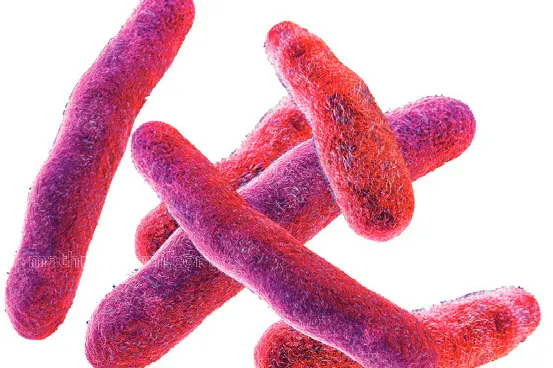
Under a microscope, the bacterium appears rod-shaped. Although microscopic, it is highly contagious. Health experts say even a very small number of bacteria can cause infection and trigger outbreaks.
The infection commonly causes diarrhoea, fever and stomach cramps. In some cases, patients may also develop bloody diarrhoea.
Shigella mainly spreads through the faecal-oral route. This happens when bacteria from infected human waste enter the mouth through contaminated hands, food or water.
The infection can spread through poor hygiene practices, contaminated drinking water, water used for bathing or swimming, and food exposed to polluted water or soil.
Health experts investigating recent cases in Kerala have pointed to contaminated food and water as major sources of transmission. Poor hygiene in community settings has also been identified as a contributing factor.
In one of the recent clusters reported in Wayanad, more than 300 children required hospital treatment after the infection spread in a school setting.
Who faces greater risk?
Anyone can contract Shigella infection, but health experts say young children are among the most vulnerable groups. The risk is considered particularly high among children under the age of five. Older adults are also more susceptible to severe illness.
Globally, shigellosis remains a significant public health concern and is responsible for hundreds of thousands of deaths each year, particularly in parts of South Asia and Africa.
Kerala's experience with Shigella outbreaks
Kerala has faced Shigella outbreaks on several occasions over the years.
The state recorded more than 300 cases in 2009. More recently, outbreaks were reported in Kozhikode in 2020.
A food poisoning incident in Kasaragod in 2022, linked to Shigella infection, resulted in the death of a 16-year-old girl.
This year, Kozhikode has emerged as the district with the highest number of confirmed cases. State health department figures show that 68 cases have been reported from the district.
The first Shigella-related death this year was reported in Kozhikode in March, involving a three-year-old girl. A four-year-old girl later became the second fatality in the district. The third death involved a 59-year-old woman whose infection was confirmed after her death.
Why are experts worried about treatment?
While many patients recover with proper hydration, severe infections may require antibiotic treatment.
However, experts are increasingly concerned about the spread of multi-drug resistant Shigella strains. This means the bacteria have developed resistance to several antibiotics that were previously effective.
Health experts say this has become a growing challenge across India. As a result, doctors often rely on laboratory testing to determine which medicines are likely to work against a particular infection.
What steps is Kerala taking?
The state government has stepped up preventive measures as cases of diarrhoeal diseases continue to be reported.
Since the first week of June, Kerala has been running a statewide 'Stop Diarrhoea' campaign. Authorities have ensured the availability of oral rehydration solution (ORS), zinc tablets and other medicines.
The chlorination of water sources has been intensified, and awareness campaigns are being conducted across the state.
Officials have also directed inspections of wells in schools and other institutions. The Food Safety Department has been asked to strengthen checks at hotels and eateries, while local representatives have been instructed to lead preventive efforts in areas reporting Shigella infections.
Published: 15 Jun 2026, 04:09 pm IST
Related Topics
Disclaimer: Kindly avoid objectionable, derogatory, unlawful and lewd comments, while responding to reports. Such comments are punishable under cyber laws. Please keep away from personal attacks. The opinions expressed here are the personal opinions of readers and not that of Mathrubhumi.
