
Medical experts warn of a critical antivenom shortage in Kerala for King Cobras and eight deadly viper species, including the high-risk hump-nosed pit viper.
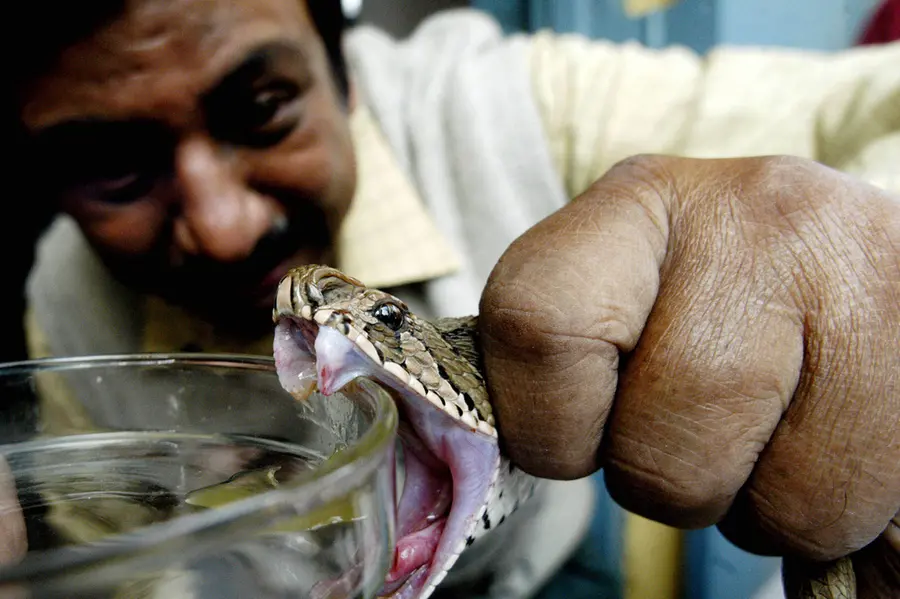
Thiruvananthapuram: As snakebite incidents continue to rise across Kerala, medical experts have highlighted a critical healthcare gap. There is currently no specific antivenom available for eight species of vipers found in the state, nor for the formidable King Cobra. At present, doctors can only provide symptomatic treatment to victims of these specific bites.
The pit viper threat
The snakes in question belong to the Pit Viper family. Among them, the Hump-nosed Pit Viper (Hypnale hypnale) is identified as the most lethal. Commonly found in forests, rubber plantations and agricultural lands, this species is responsible for nearly one-quarter of all venomous snakebite cases in Kerala and carries a high mortality rate.
Despite repeated recommendations from the Health and Forest Departments to develop a dedicated antivenom, the state government is yet to take definite action. Currently, the primary treatment for a Hump-nosed Pit Viper bite involves managing symptoms through dialysis and plasma therapy.
Other vulnerable species
In addition to the Hump-nosed Pit Viper, no antivenom exists for
- Three varieties of the Malabar Pit Viper
- Two varieties of the Horseshoe Pit Viper
- The Bamboo Pit Viper
- The Large-scaled Pit Viper (Lada Mandali)
While the Malabar Pit Viper is frequently spotted in residential areas from Thiruvananthapuram to Kasaragod, it is considered less venomous than its Hump-nosed counterpart, though medical intervention remains vital.
The King Cobra and Coral Snake
The King Cobra, despite its fearsome reputation, does not have a domestically produced antivenom in India. A previous production line in Assam was discontinued due to low demand, as bites are extremely rare—only three cases have been recorded in the country in recent times. Similarly, there is no antivenom for the elusive Coral Snakes found deep within the Western Ghats.
Currently, India’s polyvalent antivenom is produced using venom collected primarily from Chennai. Experts have urged the Central Ministry to collect venom from Kerala’s indigenous snake populations to improve the efficacy of treatments, but this request remains unfulfilled.
Published: 27 Apr 2026, 03:28 pm IST
Related Topics
Disclaimer: Kindly avoid objectionable, derogatory, unlawful and lewd comments, while responding to reports. Such comments are punishable under cyber laws. Please keep away from personal attacks. The opinions expressed here are the personal opinions of readers and not that of Mathrubhumi.
