
Actress Mallika Sukumaran hails Thiruvananthapuram Mayor Rajesh’s hands-on Attukal Pongala 2026 clean-up.
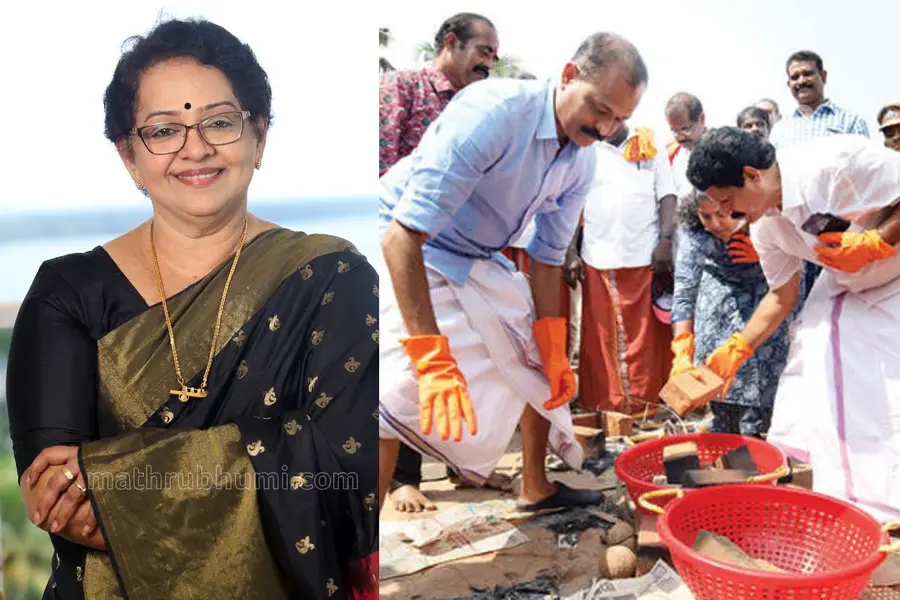
Thiruvananthapuram: Malayalam actress Mallika Sukumaran has lauded Thiruvananthapuram Corporation mayor V V Rajesh for his hands-on approach in cleaning temple premises and city roads following the Attukal Pongala festival. Mallika’s post on social media, which quickly went viral, described Rajesh as a leader his peers should emulate.
“It's not self-praise or misguided arguments. Good deeds like this remain unforgettable in the minds of the public. A ruler that colleagues should emulate… Congratulations to the adorable Mayor Rajesh. All the best,” Mallika wrote.
Her post highlighted that Mayor Rajesh and his team arrived among devotees at dawn during Pongala, ensuring rituals were conducted smoothly while coordinating essential clean-up efforts. “Water was brought in a tanker, the road was cleaned, artificial rain was applied, and the road was washed. By the time he finished and returned home, it was 2 am the next day. Big salute,” the post read.
Also Read | ‘Unwanted videos were shared’: Anna Rajan breaks silence on Attukal Pongala clip outrage
The Thiruvananthapuram Corporation began clearing the city immediately after the Pongala rituals ended. Mayor Rajesh inaugurated the clean-up at Attukal, assisted by Health Standing Committee Chairman M R Gopan and senior officials.
Approximately 3,500 sanitation workers were deployed, including 1,200 permanent corporation staff and temporary workers hired for the festival. Waste was collected and transported to four designated centres, with temporary storage at Eanchakkal, Attukal, and two other government sites.
Also Read| CPM expels PK Sasi over participation in rebel convention in Palakkad
A total of 227 vehicles, ranging from large tippers to small lorries, were used for waste removal, including vehicles provided by the corporation and private contributors. The Pongala stoves and blocks left along the roadside were scheduled for reuse in housing construction projects, with temporary storage at Chalai Boys School grounds.
For the first time, a system was set up to control dust on main roads through night-time water spraying, followed by artificial rain irrigation. Roads were thoroughly washed, with debris and blocks from side streets scheduled for removal in subsequent phases.
Published: 05 Mar 2026, 02:45 pm IST
Disclaimer: Kindly avoid objectionable, derogatory, unlawful and lewd comments, while responding to reports. Such comments are punishable under cyber laws. Please keep away from personal attacks. The opinions expressed here are the personal opinions of readers and not that of Mathrubhumi.
