
The decision was made following a request from the KSRTC Managing Director, after the registration of 25 buses was stalled due to non-compliance.
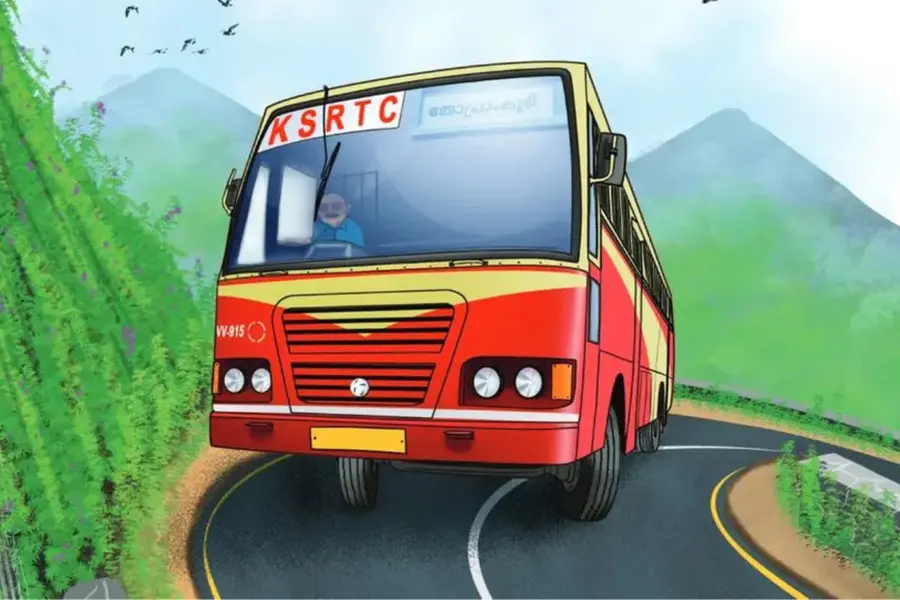
Thiruvananthapuram: The Kerala government has relaxed vehicle registration norms after several newly acquired KSRTC buses failed to meet central standards. The decision was made following a request from the KSRTC Managing Director, after the registration of 25 buses was stalled due to non-compliance. Consequently, the state has deferred the implementation of the Bus Body Code by six months.
The relaxation will also apply to the private sector, clearing the way for the registration and sale of buses that had been blocked under the stricter code requirements. According to central regulations, the Automotive Industry Standard (AIS) 153 Bus Body Code will be mandatory for all buses manufactured after August 2025. Both the coach manufacturing company and the bus model must be approved by a central agency, with certification granted only after conducting impact and safety tests.
Also Read

Institutions such as the Central Institute of Road Transport (CIRT) in Pune and the Automotive Research Association of India (ARAI) are responsible for these evaluations. Approval is granted based on parameters such as build quality, structural stability, vibration resistance, acceleration capacity, and braking performance.
Although the Motor Vehicles Department had already announced the mandatory enforcement of the Bus Body Code, KSRTC proceeded to purchase older-model buses, disregarding the directive. It reportedly chose a manufacturer lacking central certification, bypassing approved companies.
Models with excessive noise and vibration levels are not eligible for approval under the code. Manufacturers, seeking to clear unsold stock before the stricter regulations take effect, are said to have offered significant discounts and approached public sector organisations such as KSRTC to offload these buses.
KSRTC has argued that there are practical difficulties in fully complying with the Bus Body Code and that similar challenges are being faced by transport corporations across the country.
Published: 09 Nov 2025, 12:43 pm IST
Disclaimer: Kindly avoid objectionable, derogatory, unlawful and lewd comments, while responding to reports. Such comments are punishable under cyber laws. Please keep away from personal attacks. The opinions expressed here are the personal opinions of readers and not that of Mathrubhumi.