
Is Kochi’s air really as polluted as Delhi’s? Find out what PCB officials revealed.
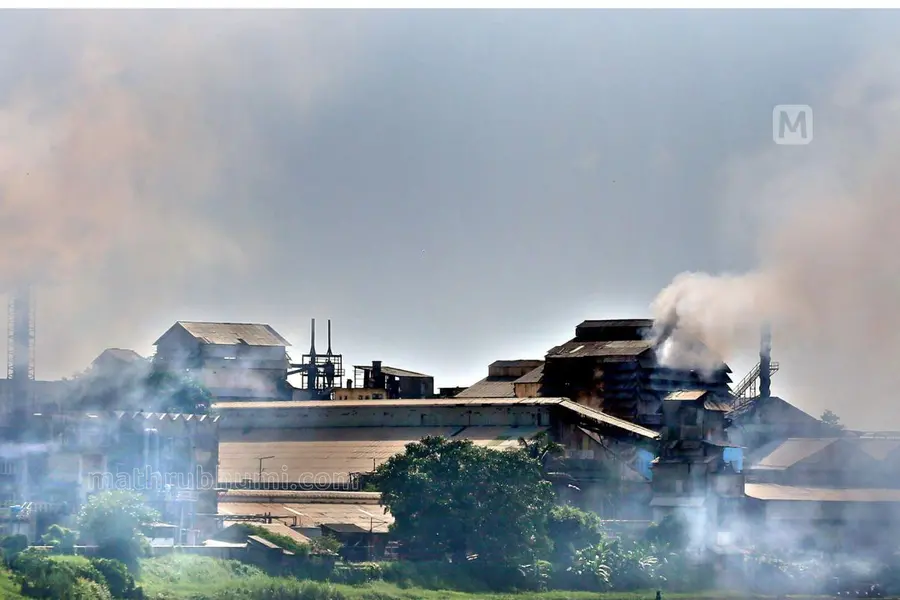
Kochi: The Kerala State Pollution Control Board (PCB) has rejected claims that air pollution levels in Kochi are comparable to those in Delhi, calling such assertions unscientific and misleading.
“Some people are trying to spread fear about air pollution. They are spreading the news that Kochi has become like Delhi. That is not true,” PCB Member Secretary Dr Ratheesh Menon said.
Dr Menon spoke to Mathrubhumi on the sidelines of a global symposium organised by the CUSAT School of Environmental Studies on the health challenges posed by air pollution.
‘No scientific basis’ for online air quality claims
He said certain websites circulating alarming air quality figures lack scientific validation.
“Some people approach with figures regarding air quality. But there is no scientific basis for what is stated on such sites. On examining the issue, it became clear that some companies operate these platforms to promote air purifier products. The signs are visible on those sites. Spreading fear in this manner is not right,” he said.
Dr Menon noted that small air quality sensors are now widely available in the market and are often purchased without reference to national pollution standards. “There are established national standards for measuring air pollution. Those promoting exaggerated claims do not take these into account,” he said.
Pollution concerns remain, but coastal geography helps
While dismissing exaggerated comparisons, the PCB official acknowledged that Kochi and other parts of Kerala do face air pollution challenges.
“It does not mean the air is completely clean. There are certainly issues. Pollution levels have increased due to infrastructure activities such as national highway construction and large-scale building projects,” he said.
He added that directives have been issued to agencies, including the National Highways Authority, municipal corporations, local self-government bodies and the railways on mitigation measures and precautionary steps to control air pollution.
Dr Menon said public awareness about water pollution is relatively high, but the same level of concern has not yet developed regarding air quality and climate-linked environmental changes.
Kerala’s long coastline, he said, provides a natural advantage. “The proximity to the sea helps disperse pollutants through coastal winds. In contrast, the cold Himalayan conditions act like a lid over Delhi, trapping pollutants. That situation does not exist here,” he said.
However, he cautioned that climate change is emerging as a complicating factor. “Wind movement was relatively low in Kerala this winter. The ocean is warming, and sea levels are rising. These are adverse factors for maintaining clean air,” he added.
Published: 13 Feb 2026, 09:58 am IST
Disclaimer: Kindly avoid objectionable, derogatory, unlawful and lewd comments, while responding to reports. Such comments are punishable under cyber laws. Please keep away from personal attacks. The opinions expressed here are the personal opinions of readers and not that of Mathrubhumi.
