
According to police data, 48,834 accidents were reported in Kerala last year, claiming 3,880 lives and injuring 54,796 people.
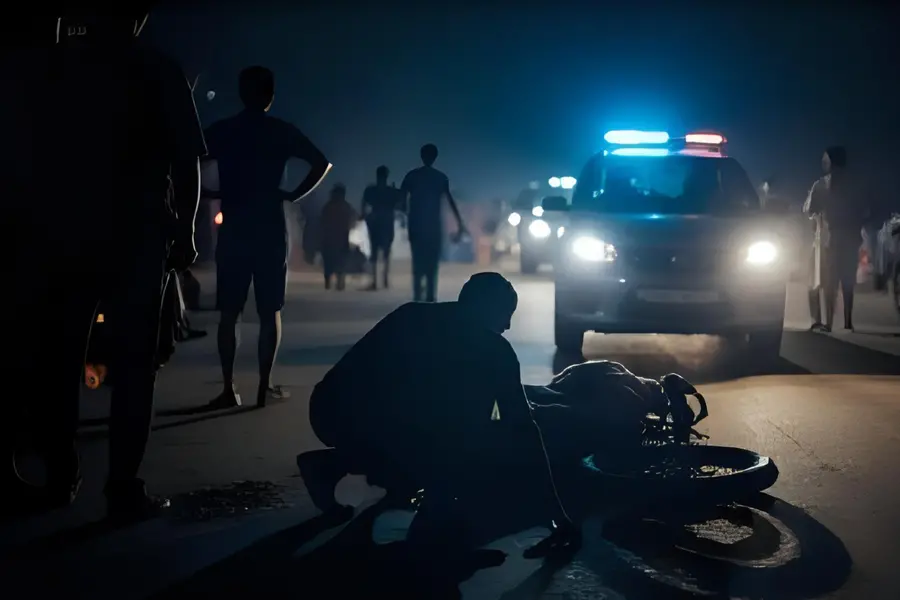
Kochi: Despite Kerala recording nearly 50,000 road accidents annually, the Centre’s flagship ‘Good Samaritan’ scheme, designed to reward citizens who save accident victims, has failed to take off in the state even five years after its launch.
The programme, introduced by the Union Ministry of Road Transport and Highways in 2020, was meant to encourage bystanders to rush accident victims to hospitals without fear of harassment. It was later renamed Rah-Veer, with the cash reward increased earlier this year.
What is the Good Samaritan (Rah-Veer) scheme?
Initially, the scheme offered a reward of Rs 5,000 along with a certificate. In April 2024, the Centre revised the amount to Rs 25,000 per case and also announced national awards of Rs 1 lakh each for 10 Good Samaritans annually.
Guidelines mandate that rescuers must receive an acknowledgement from either the police or hospital, which is then reviewed by a district appraisal committee headed by the District Collector. Based on the recommendation, the Transport Commissioner releases the reward. A state-level monitoring committee under the Principal Secretary (Home) oversees the implementation.
Zero implementation in Kerala
However, not a single person has been rewarded in Kerala since the scheme was introduced. While the state constituted a monitoring committee in March 2022 — later reconstituted in July 2024 — both the state- and district-level committees remain inactive.
Kerala Transport Commissioner Nagaraju Chilakam admitted the scheme has yet to take off.
"It is a very good scheme. Unfortunately, we haven't received any proposals from the district-level yet. I am not aware whether anyone has been rewarded under it," he told PTI.
He added that the project functions on a reimbursement basis.
"It is a reimbursement scheme in which the state initially provides a cash award, which is later reimbursed by the central government. Perhaps people at the ground level, especially in the health department and police, are unaware of the scheme. If implemented, it would certainly encourage people to provide immediate emergency care to accident victims," he said.
Grim accident statistics
According to police data, 48,834 accidents were reported in Kerala last year, claiming 3,880 lives and injuring 54,796 people. Till July this year alone, 28,724 accidents were reported, with 2,107 deaths and 32,569 persons injured.
Yet, authorities admit hospitals and police have not flagged Good Samaritan cases.
A district regional transport officer said, "There are district-level committees that exist even though they have not reported Good Samaritans yet. We haven't come across any case where the police issued an acknowledgement to a Good Samaritan who came under our review. In Kerala, people rush accident victims to hospitals, but due to their lack of awareness about the scheme, they never ask hospitals and police about the acknowledgement given as part of the scheme."
Former international car rally driver and road safety expert Upendra Narayan said that while rewarding rescuers is welcome, preventing accidents should be the priority.
"I know about the Good Samaritan project. But for me, prevention is better than cure. The best option is to prevent accidents rather than reward people after they occur," he said.
He pointed to systemic flaws, saying, "We have vehicles that can touch 200 km per hour, while our roads are designed for cruising at around 130 km per hour. Either the roads should be upgraded or vehicles rolled out should match our road specifications."
Narayan further stressed the importance of road safety education.
"Students should be taught traffic rules and etiquette from a young age. They should be practically trained on how to walk and cross roads. Also, children should be encouraged to attend to accident victims. This alone can help reduce accidents and fatality by at least 40 per cent." PTI
Published: 11 Sept 2025, 12:21 pm IST
Related Topics
Disclaimer: Kindly avoid objectionable, derogatory, unlawful and lewd comments, while responding to reports. Such comments are punishable under cyber laws. Please keep away from personal attacks. The opinions expressed here are the personal opinions of readers and not that of Mathrubhumi.
