
India has proposed major changes to ambulance standards, including neonatal and multi-stretcher ambulances, mandatory rescue equipment, and dedicated power systems for e-ambulances to improve emergency medical response and patient safety.
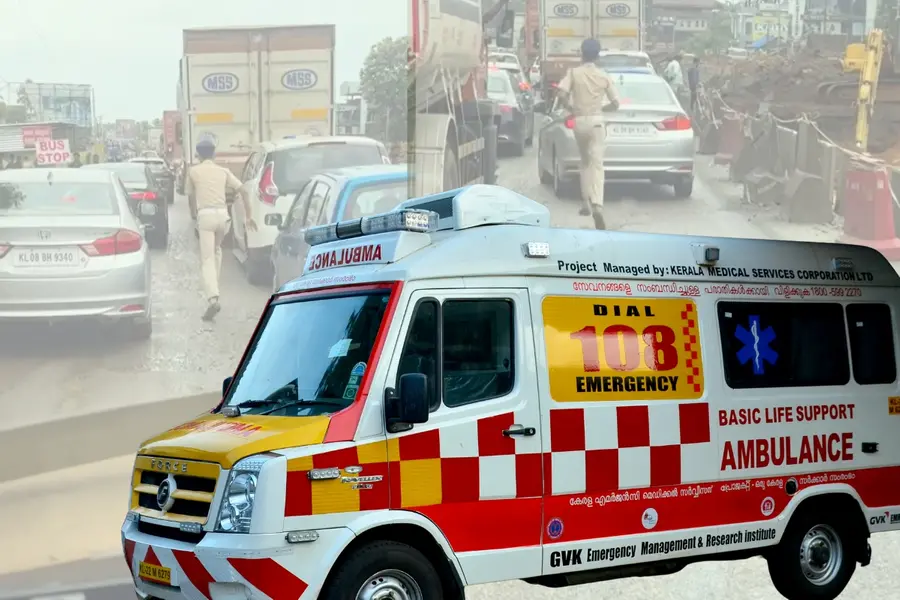
New Delhi: India may soon get specialised ambulances for transporting sick newborns and multiple patients, with the Ministry of Road Transport and Highways (MoRTH) proposing a series of changes to the country's road ambulance standards. The draft amendments also make rescue equipment mandatory in several ambulance categories and require e-ambulances to have dedicated power sources for operating medical equipment.
The proposed changes have been made to the Automotive Industry Standard (AIS)-125, which lays down the construction, safety and equipment requirements for road ambulances in India. The draft notification has been released for public consultation before the revised standards are finalised.
Road ambulances are a critical part of emergency healthcare, helping transport patients to hospitals and providing life-support systems during transit. The ministry said strengthening ambulance infrastructure is essential to improving emergency response and patient care, particularly in road accident cases where timely medical intervention can save lives.
New ambulance categories proposed
Among the key changes is the inclusion of Neonatal Road Ambulances, a specialised category designed to transport sick or premature newborns between hospitals when advanced medical care is required.
The draft also proposes Multi-Stretcher Road Ambulances, which can carry multiple stretchers at the same time. These ambulances are intended to transport more than one patient while typically providing intensive care support to one patient during the journey.
The proposed amendments require all Class B, Class C and Class D road ambulances to be equipped with emergency and rescue tools.
According to the ministry, these tools will help medical and rescue personnel extract victims trapped inside vehicles damaged in road accidents. The equipment can also be used if the ambulance itself is involved in an accident and rescue assistance becomes necessary.
Dedicated power source for e-ambulances
In another major change, the draft standards require e-ambulances to be fitted with dedicated power sources for operating medical equipment.
The provision is aimed at supporting the transition to electric mobility without affecting patient care, ensuring that critical medical devices continue to function during transportation. The revised standards also specify conformity requirements for medical devices installed inside ambulances.
Strengthening existing ambulance norms
AIS-125 (Part 1), notified in 2016, sets out the constructional and functional requirements for road ambulances, while AIS-125 (Part 2) provides guidelines on the medical equipment required for different categories of ambulances.
The latest amendments to both parts of the standard are intended to improve ambulance safety, operational efficiency and patient care during emergencies.
The draft notification, GSR 382(E) dated May 14, 2026, has been uploaded on the ministry's website for public comments. The revised norms will come into force from a date to be specified in the final notification after the consultation process is completed.
Published: 05 Jul 2026, 12:27 pm IST
Related Topics
Disclaimer: Kindly avoid objectionable, derogatory, unlawful and lewd comments, while responding to reports. Such comments are punishable under cyber laws. Please keep away from personal attacks. The opinions expressed here are the personal opinions of readers and not that of Mathrubhumi.
