
Thiruvananthapuram: Onam is traditionally celebrated as the festival of flowers. In the past, Keralites would gather flowers from their own backyards or their neighbours' gardens. However, in modern times, finding enough flowers locally has become challenging, leading to an increase in the use of flowers imported from neighbouring states.
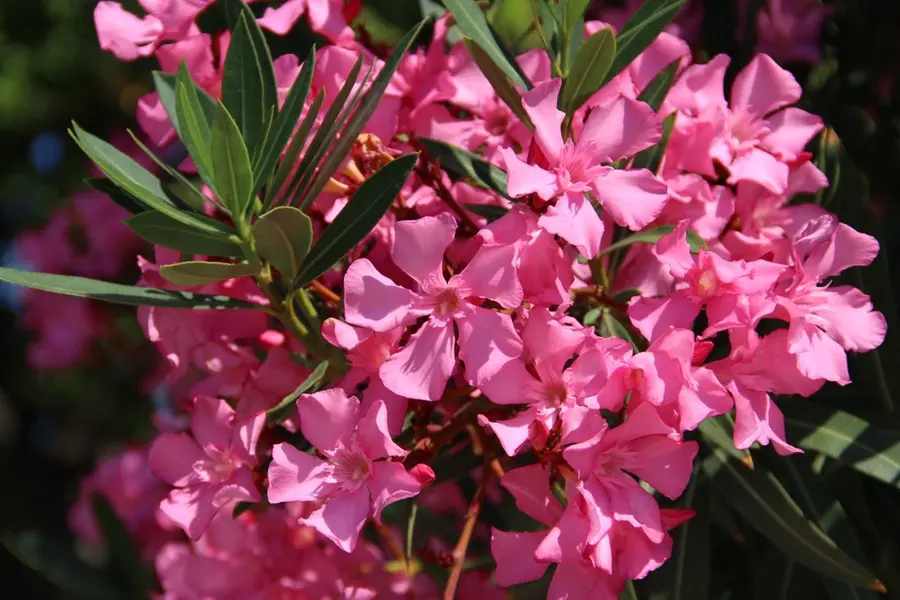
However, this year’s Onam celebrations in Kerala will be missing a traditional favourite - the ‘arali’ (oleander) flower, which is brought from Tamil Nadu. Following reports that a woman died after allegedly consuming oleander leaves, and similar incidents involving animals, the demand for the flower has vanished.
Also Read

Concerns about the flower’s safety have led to a ban by various Devaswom Boards on its use in offerings, edible as well as others. Many temples have also stopped using it, leading to a sharp decline in its supply from Tamil Nadu, a major source.
Pandian, a flower wholesaler from Sankarankovil in Tamil Nadu - where most oleander flowers for Kerala are sourced - reported that there have been no pre-orders for oleander flowers for Onam this year. In previous years, up to 6,000 kilos of the flower were ordered in advance for Uthradam, the first day of Onam.
Pink, red, pale yellow, and white oleander flowers were once a common sight in the Onam athapookalam (traditional flower decorations made on the floor) of Kerala. Their long shelf life made oleander a favourite among sellers as well. K. Ajitha, owner of Peringara Vinayaka Flower Stores, Pathanamthitta noted that last Uthradam, 100 kg of oleander was sold. This year, however, not even a kilo has been requested.
Besides Onam, oleander was also used in Kerala for the traditional funeral services and pujas. Following reports of its alleged toxicity, oleander has been excluded from these uses as well. Oleander flowers are sold from Tamil Nadu to other states, with the current average wholesale price at Rs 280.
Published: 03 Sept 2024, 02:40 pm IST
Related Topics
Disclaimer: Kindly avoid objectionable, derogatory, unlawful and lewd comments, while responding to reports. Such comments are punishable under cyber laws. Please keep away from personal attacks. The opinions expressed here are the personal opinions of readers and not that of Mathrubhumi.