
Kerala races into emergency mode as CM Pinarayi Vijayan enforces bans, launches heat clinics, and rolls out massive statewide relief measures.
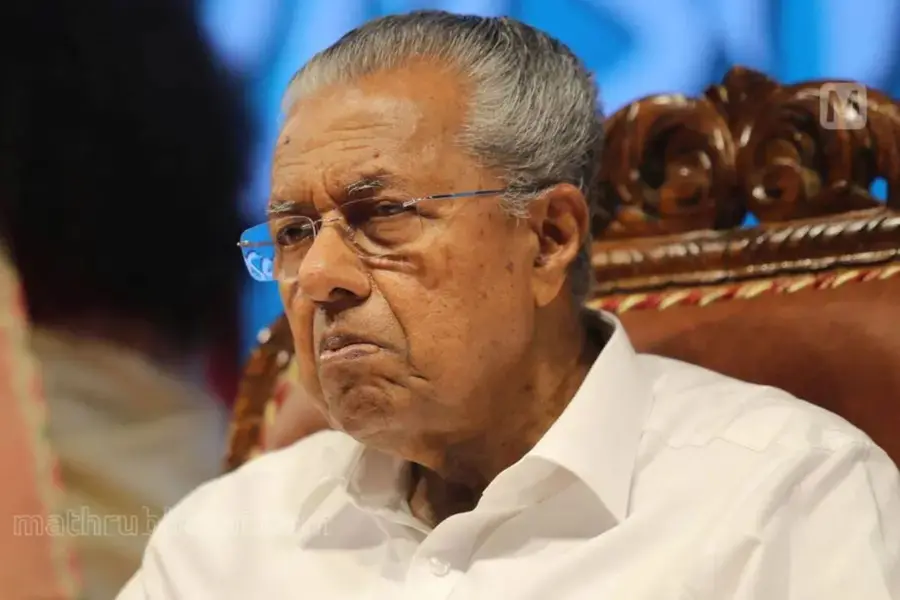
Thiruvananthapuram: With temperatures soaring and public health risks mounting, Kerala has moved into high-alert mode.
Chief Minister Pinarayi Vijayan on Saturday chaired a high-level emergency meeting and rolled out an aggressive, multi-pronged action plan to combat the intensifying heatwave gripping the state.
In a decisive intervention, the government announced strict restrictions during heatwave warning periods, including a ban on daytime public events, temple festivals, selection trials, and cultural or sports programmes.
The move comes amid growing concern over sunstroke cases and rising heat-related illnesses.
The Chief Minister directed officials to immediately ensure the availability of drinking water, ORS packets, and first-aid facilities at crowded public locations such as markets and bus stands.
Temporary shaded shelters will also be installed to shield people from direct exposure to the sun.
In a striking step to reduce heat exposure, district administrations have been asked to coordinate with police and traffic authorities to shorten traffic signal durations wherever feasible.
This unusual measure aims to limit the time commuters spend under the blazing sun.
Community mobilisation has been placed at the heart of the response. Kudumbashree units, cooperative societies, youth groups, and voluntary organisations will distribute drinking water, buttermilk, and cooling fruits like watermelon across the state.
Roadside hydration points will be set up at key junctions, bus stops, and auto-taxi stands.
The government has also ordered urgent interventions to tackle water scarcity as drought-like conditions worsen.
The Water Authority and Irrigation Department will work in mission mode to ensure an uninterrupted drinking water supply, while a statewide rainwater harvesting campaign is set to be launched ahead of the monsoon.
In a long-term climate resilience push, Kerala will introduce community-based weather monitoring systems at the ward level.
Also read: Kerala rain update: IMD issues yellow alerts in multiple districts as heavy showers forecast
These systems will track temperature, rainfall, humidity, and water levels, helping local bodies respond swiftly to changing conditions. A pilot project in Wayanad will be rolled out immediately.
Healthcare preparedness has been significantly ramped up. The Health Department has been tasked with setting up dedicated Heat and Burn Clinics in selected hospitals, while anganwadis will be upgraded into heat-resilient structures using cool roofs and improved ventilation technologies. Similar upgrades are planned for health centres and eventually schools.
The Disaster Management Authority’s early warning system, ‘Kavacham’, has been put on round-the-clock alert, with strict instructions to ensure all sirens and communication systems remain fully functional.
A targeted messaging system will also be deployed to warn residents in vulnerable areas about rising temperatures and heatwave risks.
Power supply has emerged as another critical concern. The Kerala State Electricity Board has been directed to ensure zero outages, especially as air-conditioner usage spikes.
Authorities have also been asked to promote energy-efficient appliances and renewable energy solutions.
Adding to the urgency, officials warned of increased snake sightings as reptiles seek cooler environments, prompting enhanced rescue operations and public advisories.
Health authorities are also on alert over the risk of amoebic meningitis, urging people to avoid stagnant water sources.
With the Chief Secretary empowered to take emergency decisions, Kerala’s heatwave battle has now shifted into war footing, signalling one of the most comprehensive state responses to extreme weather in recent times.
Published: 25 Apr 2026, 02:49 pm IST
Related Topics
Disclaimer: Kindly avoid objectionable, derogatory, unlawful and lewd comments, while responding to reports. Such comments are punishable under cyber laws. Please keep away from personal attacks. The opinions expressed here are the personal opinions of readers and not that of Mathrubhumi.
