
All residents are advised to stay informed by following official weather updates issued by the India Meteorological Department and the State Disaster Management Authority.
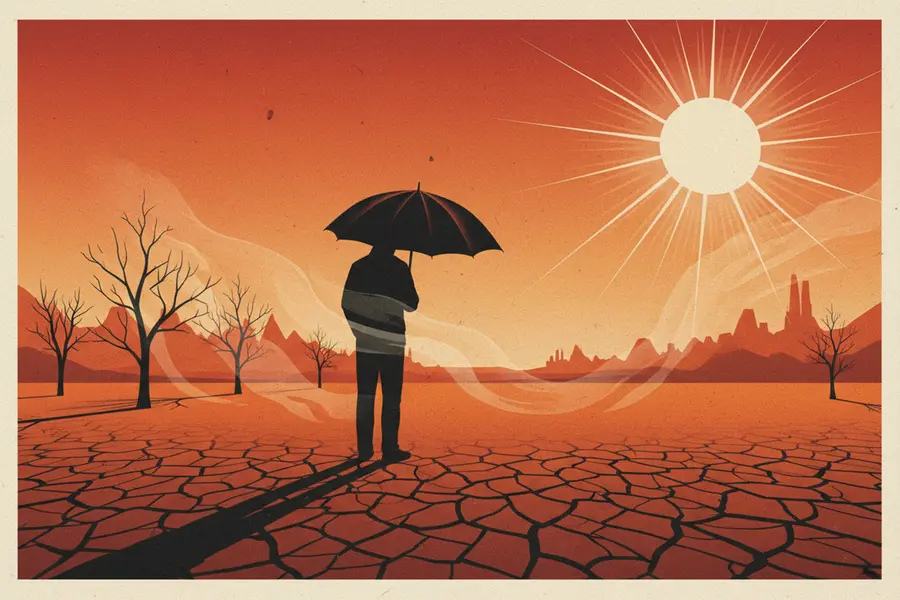
The Kerala State Disaster Management Authority (KSDMA) on Wednesday issued a comprehensive public health and safety advisory following official weather warnings predicting unusually hot conditions across the state.
The India Meteorological Department (IMD) has forecast a noticeable surge in heat across isolated pockets of Kerala. From October 28 until November 01, daily temperatures are expected to climb 3°C to 4°C above seasonal averages.
In an official statement, the weather department highlighted the intensity of the upcoming period:
"Temperatures in isolated places across Kerala are likely to rise by 3 to 4°C above normal between 28 October and 1 November."
Health authorities caution that unseasonal temperature spikes pose immediate physical risks. Exposure to extreme weather can lead to severe conditions such as sunstroke, painful sunburns, and rapid dehydration. To minimise health hazards, citizens are strongly advised to avoid direct sunlight exposure between 11 am and 3 pm. This four-hour window marks the hottest period of the day when solar rays are most intense.
Daily hydration, diet, and clothing guidelines
Proper fluid intake remains the most effective defense against heat-related illnesses. People must keep drinking clean water throughout the day, even if they do not feel thirsty. Carrying a small water bottle while stepping out helps maintain steady hydration. However, certain popular beverages can worsen fluid loss. Residents should strictly avoid alcohol, coffee, tea, and carbonated soft drinks during daytime hours because they accelerate dehydration.
The advisory also outlines practical changes to daily routines:
"High heat can cause severe health issues such as sunstroke, sunburn, and dehydration. Members of the public must avoid continuous direct sun exposure between 11 am and 3 pm."
Lightweight clothing offers natural protection against rising temperatures. People should wear loose, light-coloured cotton garments when stepping outdoors. Protective footwear is essential, and carrying an umbrella or wearing a wide hat provides extra shade. Diet also plays a critical role. Eating fresh fruits and vegetables helps restore vital nutrients, while traditional hydrating drinks such as ORS solutions and fresh buttermilk (sambharam) are highly recommended.
Protection for children, schools, and vulnerable citizens
Certain groups face far higher risks when temperatures spike. Bedridden patients, elderly individuals, pregnant women, young children, persons with disabilities, and people living with chronic conditions require constant care. They must avoid direct sunlight between 11 am and 3 pm, as their bodies struggle to regulate heat efficiently.
Schools and childcare centres must adapt quickly to the heatwave. Educational institutions need to guarantee clean drinking water in all classrooms and ensure proper air circulation. During exam periods, drinking water must be made accessible inside examination halls. School management and parents should cancel outdoor assemblies or reschedule them to cooler morning hours. Furthermore, schools taking students on educational tours or field trips must ensure children are completely sheltered from direct sun exposure between 11 am and 3 pm. Local Panchayat authorities and Anganwadi workers are tasked with putting protective measures in place for toddlers.
Workplace adjustments for outdoor labourers and duty officers
Outdoor workers carry the heaviest physical burden during extreme heat. Construction workers, agricultural labourers, street vendors, and individuals performing heavy manual work must adjust their working hours to avoid peak afternoon sun. Employers must ensure workers receive mandatory rest breaks in shaded areas.
The state advisory explicitly protects gig workers and essential public service personnel as well:
"Special attention must be given to bedridden patients, the elderly, pregnant women, and children, while outdoor workers and delivery riders must adjust hours and rest in shade."
Food delivery companies operating two-wheelers must ensure rider safety between 11 am and 3 pm. Companies should instruct riders to wear protective clothing and grant brief rest periods during deliveries. Similarly, police officers and journalists working outdoors between 11 am and 3 pm should use umbrellas and stay shaded whenever possible. Members of the public and local organisations are encouraged to offer fresh drinking water to on-duty personnel.
Public gatherings, travel, and animal welfare
Large crowds and crowded journeys can quickly turn dangerous during severe heat. Organisers of public gatherings, political rallies, and meetings must provide sufficient shaded seating and clean drinking water for all attendees. Wherever possible, public functions should not be scheduled between 11 am and 3 pm. Long-distance travellers should plan journey breaks and carry water at all times. Under no circumstances should children or pets be left inside parked vehicles, as internal vehicle temperatures can rise to lethal levels within minutes.
Animal care requires equal attention. Livestock should not be let out to graze during the scorching afternoon sun, nor should pets be tied up in exposed outdoor spaces. Property owners should leave bowls of clean water out for domestic animals, stray livestock, and birds.
Fire prevention, water conservation, and emergency response
Surging temperatures drastically increase fire hazards across urban and rural zones. Commercial markets, high-rise buildings, and waste dumping yards face a heightened risk of accidental fires. Local authorities and property owners must conduct immediate fire audits and enforce strict safety precautions. People living near waste collection centres or operating businesses close by must remain watchful. Dry weather also raises the threat of forest fires. Tourists and residents living near forest boundaries must strictly obey Forest Department directives and avoid activities that could ignite wildfires.
Water management is equally vital during dry spells. Every household should practice sensible water conservation and avoid wasting water. When rain occurs, citizens should harvest and store rainwater for future use.
If anyone experiences dizziness, fatigue, or physical discomfort, they should immediately rest in a cool, shaded area and seek medical assistance. All residents are advised to stay informed by following official weather updates issued by the India Meteorological Department and the State Disaster Management Authority.
Published: 28 Oct 2026, 05:15 pm IST
Related Topics
Disclaimer: Kindly avoid objectionable, derogatory, unlawful and lewd comments, while responding to reports. Such comments are punishable under cyber laws. Please keep away from personal attacks. The opinions expressed here are the personal opinions of readers and not that of Mathrubhumi.
