
The FDA says GLP-1 drugs carry a potential, rare increased risk of NAION, a condition that can cause sudden vision loss
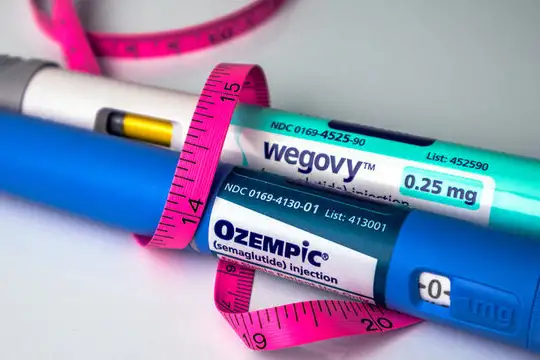
Ozempic, Wegovy and other GLP-1 drugs have gone from niche diabetes treatments to some of the most talked-about medicines in the world. But US regulators have now ordered every GLP-1 label to carry a new warning about a rare eye condition that can cause sudden, sometimes permanent vision loss.
What is Ozempic?
Ozempic is a once-weekly injection whose active ingredient is semaglutide. It belongs to the GLP-1 receptor agonist class. These drugs copy a natural gut hormone that helps the body release insulin when blood sugar rises, slows digestion, and reduces appetite. Doctors prescribe Ozempic mainly for type 2 diabetes. It is not meant for type 1 diabetes. The same ingredient is sold as Wegovy, which is approved for weight management, and as Rybelsus, a pill. Its popularity as a weight-loss aid has made it one of the best-known medicines in the world.
Also Read: Ozempic is here, but is it affordable for most Indians?
The new warning: a rare risk to eyesight
The FDA is now requiring makers of all GLP-1 medicines to add information about a condition called NAION (Non-arteritic Anterior Ischemic Optic Neuropathy) to the “Warnings and Precautions” section of their labels. In plain terms, blood flow to the optic nerve drops, which can cause significant vision loss. The FDA says the underlying cause is unknown. The loss of sight is sudden and painless, and it can sometimes be permanent.
Why now?
The change follows a 2024 study in JAMA Ophthalmology that found an association between semaglutide and vision loss. That study did not prove cause and effect. The FDA then looked at wider research and at side-effect reports from patients. Regulators elsewhere had already moved. The UK’s medicines regulator issued its own alert in February 2026, and the European Medicines Agency reached a similar conclusion in 2025.
How big is the risk?
The FDA reviewed 126 clinical trials covering more than 134,000 patients. About 6.4 in every 100,000 people on a GLP-1 for a year had a NAION event, compared with 3.8 in 100,000 on a placebo or older diabetes drugs. Put another way, that is a few extra cases per 100,000 people each year. Two leading eye-specialist groups have said the overall magnitude of the risk remains low. Some studies have also found no link at all.
Also Read: Taking Ozempic or Wegovy? New study flags hair loss risk in men
Warning signs:
Watch for blurry vision, blind spots, washed-out or distorted colours, or any other sudden change in sight. If this happens, contact a doctor immediately. The FDA has told doctors to consider stopping the drug in a patient who develops NAION, unless the benefits clearly outweigh the risk. Do not stop your medicine on your own without medical advice.
Common side effects
Most people who have side effects notice them in the digestive system.
- Nausea: This is the most common, affecting roughly 15% to 20% of people.
- Vomiting, diarrhoea, stomach pain and constipation: These are also common, each affecting a smaller share of users.
- Other complaints: These include acid reflux, burping, tiredness, reduced appetite and headache.
These tend to fade. They are usually worst in the first two to four weeks of a new dose and ease as the body adjusts. Doctors raise the dose slowly over several months to keep them in check. If symptoms stay severe, ask your doctor about adjusting the dose.
Serious but rare side effects
- Pancreatitis: Inflammation of the pancreas, usually felt as severe stomach pain.
- Gallbladder problems: These include gallstones and inflamed gallbladder.
- Kidney injury: Vomiting and diarrhoea can cause dehydration, which in some cases leads to acute kidney injury. Drinking enough fluids matters.
- Diabetic retinopathy: People with diabetes should keep up regular eye check-ups so doctors can monitor for worsening.
- Low blood sugar and allergic reactions: Both are listed as serious but rare.
- Gastroparesis and bowel blockage: Both have been reported. Gastroparesis is slowed stomach emptying. It can look like ordinary side effects, so persistent or worsening symptoms deserve attention.
- Lung aspiration during anaesthesia: Food or liquid can enter the lungs during general anaesthesia or deep sedation. Tell your surgical team you take Ozempic.
The thyroid warning
Ozempic carries a boxed warning, the FDA’s strictest type. The drug caused thyroid cancer in animals, and it is unclear whether it raises the risk in humans. It is not for people with a personal or family history of medullary thyroid carcinoma, or with the genetic condition MEN 2. Warning signs include a lump in the neck, trouble swallowing, sudden hoarseness or shortness of breath.
Also Read: Pop star Lizzo says plus-size women are being ‘erased’ amid Ozempic boom
Practical tips
- Tell your doctor your full history, especially pancreatitis, gallbladder disease, thyroid problems and eye disease.
- Eat smaller meals and stay hydrated to ease stomach symptoms.
- Get regular eye exams, particularly if you have diabetes.
- Report any sudden vision change, severe stomach pain or neck lump right away.
(This article is for general information and is not medical advice. Always consult a qualified healthcare professional before making new changes)
Published: 11 Nov 2026, 10:16 am IST


ABOUT THE AUTHOR

Related Topics
Disclaimer: Kindly avoid objectionable, derogatory, unlawful and lewd comments, while responding to reports. Such comments are punishable under cyber laws. Please keep away from personal attacks. The opinions expressed here are the personal opinions of readers and not that of Mathrubhumi.