
Kerala has announced an extension of the usage period for government vehicles to 20 years, bypassing the central government’s 15-year scrapping rule
Thiruvananthapuram: Kerala has announced a draft notification extending the operational life of government-owned vehicles to 20 years, exceeding the 15-year limit set under the central Motor Vehicles Act.
The amendment applies to vehicles owned by state departments, public sector undertakings, and autonomous bodies with government participation.
Also Read

KSRTC buses also spared under new rules
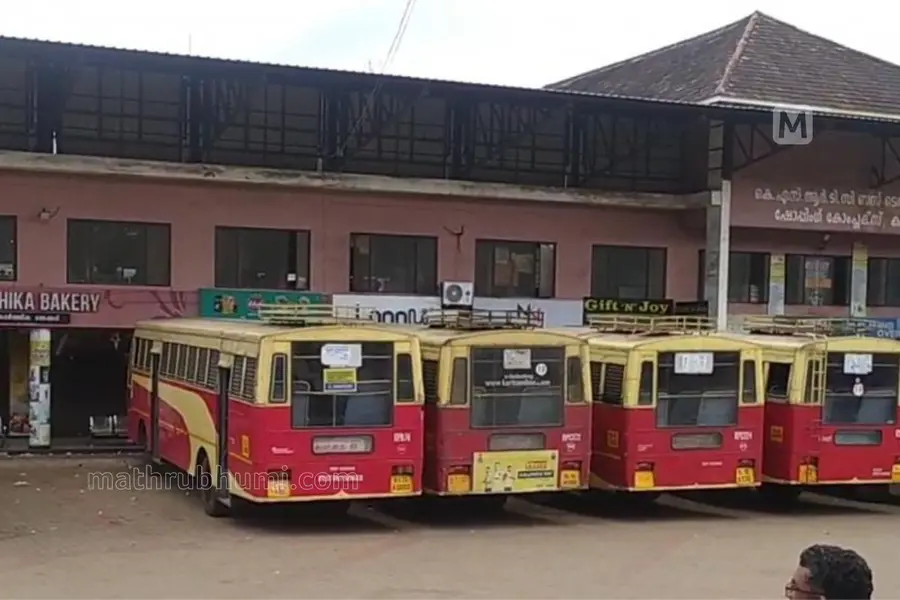
The state government’s move also protects the Kerala State Road Transport Corporation (KSRTC), allowing buses that had crossed the 15-year threshold to continue operating. Previously, KSRTC buses had received temporary extensions through special orders, while 1,115 buses had their registration cancelled under the central scrapping policy. The new amendment ensures continued service without interruption.
Fitness certificates issued manually amid cancelled registrations
With the registrations of expired government vehicles removed from the central ‘Vahan’ portal, motor vehicle department officials are issuing fitness certificates by making manual entries in their registers. Over the next six months, around 900 more government vehicles are expected to have their registrations cancelled.
KSRTC and other public sector road transport corporations are permitted to operate vehicles beyond their official expiry without insurance coverage. Any compensation for accidents or liabilities is handled internally by the corporation, allowing continued service despite legal and administrative constraints.
Lack of authorised scrapping facilities adds to delays
Many government vehicles remain abandoned due to the absence of authorised vehicle scrapping centres in the state. This shortage has made manual extensions and fitness certifications necessary to keep critical vehicles operational.
State versus central authority
The amendment has sparked debate over Kerala’s authority, as vehicle scrapping rules are part of the concurrent list under Indian law. Critics argue that extending the usage period contravenes central legislation, but the state maintains the move is essential to sustain public transport services and avoid large-scale vehicle disposal without proper infrastructure.
The Kerala government’s decision prioritises continuity of service and fleet management over strict compliance with central rules. By extending vehicle lifespans and protecting KSRTC buses, the state ensures operational efficiency while addressing the shortage of authorised scrapping facilities.
Published: 18 Dec 2025, 12:09 pm IST
Disclaimer: Kindly avoid objectionable, derogatory, unlawful and lewd comments, while responding to reports. Such comments are punishable under cyber laws. Please keep away from personal attacks. The opinions expressed here are the personal opinions of readers and not that of Mathrubhumi.