
The move reflects a renewed effort to secure central support for a fast, efficient rail network.
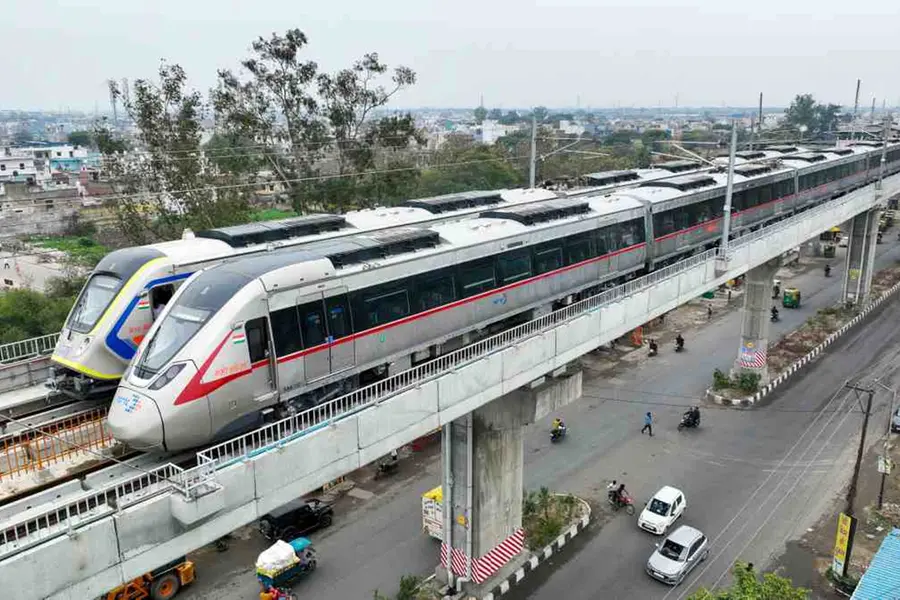
Kerala is moving decisively towards a state-wide high-speed rail network, following the formal rejection of its long-pending SilverLine project. Finance Minister K N Balagopal unveiled the 2026-27 state budget on Thursday, earmarking ₹100 crore for the Rapid Rail initiative — a key step in realising the Regional Rapid Transit System (RRTS) from Thiruvananthapuram to Kasaragod.
A fresh start for Kerala’s high-speed ambitions
After the Centre declined approval for the SilverLine semi-high-speed rail, citing technical and procedural concerns, the Kerala cabinet gave in-principle approval on Wednesday for a 583-km RRTS corridor. The move signals a renewed attempt to secure central backing for a fast, efficient rail system.
The State will formally communicate its interest in the RRTS to the Centre and has tasked the Transport department with consultations. Once in-principle approval is granted, a Memorandum of Understanding will be signed, and technical, financial, and funding structures finalised for cabinet approval.
Designing a system for Kerala’s landscape and people
The proposed RRTS promises speeds of 160–180 kmph, with fewer station stops and high passenger capacity — a model proven by the Delhi–Meerut corridor. Kerala’s dense population and environmentally sensitive topography make elevated viaducts the preferred construction method, reducing land acquisition, protecting natural water flows, and minimising public opposition. Embankments and tunnels would only be used where necessary.
Integration with the existing Kochi Metro and planned metro systems in Thiruvananthapuram and Kozhikode will create a unified multimodal transport network. The plan is expected to improve last-mile connectivity and reduce reliance on private vehicles, offering a socially acceptable and practical high-speed alternative to previous proposals.
Phased implementation and future expansion
Kerala plans to follow the Delhi RRTS funding model: 20% of costs borne by the State, 20% by the Centre, and 60% through long-term loans from international financial institutions. Implementation will be phased but coordinated to reduce overall completion time.
- Phase 1: Travancore Line from Thiruvananthapuram to Thrissur, integrating Thiruvananthapuram and Kochi Metros, slated to start in 2027 and finish by 2033.
- Phase 2: Malabar Line from Thrissur to Kozhikode with the Kozhikode Metro.
- Phase 3: Extension from Kozhikode to Kannur.
- Phase 4: Final leg from Kannur to Kasaragod.
Future expansions could connect Coimbatore via Palakkad, Thiruvananthapuram to Kanyakumari, and Kasaragod to Mangaluru, in collaboration with neighbouring states. If executed as planned, Kerala could have a state-wide high-speed network within 12 years, integrating metro corridors and regional transport seamlessly.
Published: 29 Jan 2026, 10:11 am IST
Disclaimer: Kindly avoid objectionable, derogatory, unlawful and lewd comments, while responding to reports. Such comments are punishable under cyber laws. Please keep away from personal attacks. The opinions expressed here are the personal opinions of readers and not that of Mathrubhumi.
