
Kerala`s new 583 km RRTS high-speed rail project from Thiruvananthapuram to Kasaragod is approved! Discover speeds up to 180 km/h, elevated tracks, metro links & more. Click to learn details!
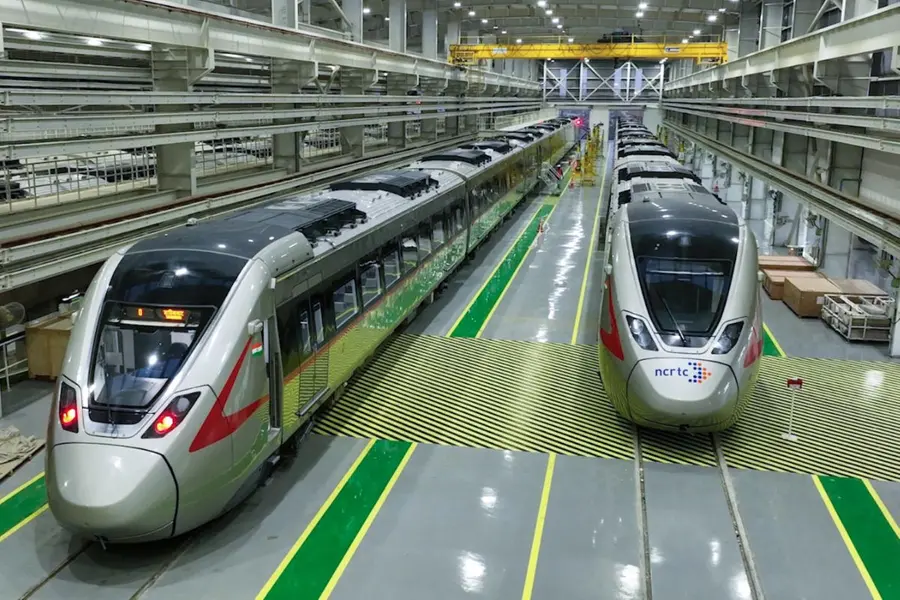
Thiruvananthapuram: The Kerala government on Wednesday gave in-principle approval for the implementation of a Regional Rapid Transit System (RRTS), covering a 583 km corridor from Thiruvananthapuram to Kasaragod. The decision was taken at a Cabinet meeting chaired by Chief Minister Pinarayi Vijayan, the state government said in an official statement.
The new high-speed rail project is being launched after the K-Rail (SilverLine) project failed to move forward due to technical objections from Indian Railways, public opposition in certain areas, and non-approval of its Detailed Project Report (DPR). The government described the RRTS as a practical and socially acceptable alternative, citing the successful implementation of the Delhi-Meerut RRTS corridor as proof of its feasibility.
Key features of the Kerala RRTS
- Speed & Capacity: Trains will run at 160–180 km/h with short station intervals and high passenger capacity.
- Integration with Metro Systems: RRTS stations will be linked with Kochi Metro and future metro systems in Thiruvananthapuram and Kozhikode, improving last-mile connectivity.
- Construction Model: Most of the corridor will be on elevated viaducts, with embankments and tunnels used only where necessary to minimise land acquisition and environmental impact.
- Funding: 40% of the project cost will be shared equally by the Centre and the state, while the remaining 60% will come from long-term loans from international financial institutions.
Phased Implementation
The project will be executed in four phases:
Phase 1: Thiruvananthapuram to Thrissur (Travancore Line), including integration with Thiruvananthapuram and Kochi metros. Construction is expected to start in 2027 and finish by 2033.
Phase 2: Thrissur to Kozhikode (Malabar Line), including Kozhikode Metro integration.
Phase 3: Kozhikode to Kannur.
Phase 4: Kannur to Kasaragod.
The government also indicated the possibility of future expansions to connect Kerala with Coimbatore via Palakkad, Kanyakumari via Thiruvananthapuram, and Mangalore via Kasaragod with cooperation from neighbouring states.
According to the state, the RRTS will reduce travel time significantly, boost regional connectivity, and create new employment opportunities, while also forming a unified multi-modal transport network across Kerala.
Union Minister of Housing and Urban Affairs Manohar Lal has reportedly stated that the Centre will seriously consider the project once the DPR is submitted, signalling strong support for Kerala’s new high-speed rail initiative.
Published: 28 Jan 2026, 10:44 pm IST
Disclaimer: Kindly avoid objectionable, derogatory, unlawful and lewd comments, while responding to reports. Such comments are punishable under cyber laws. Please keep away from personal attacks. The opinions expressed here are the personal opinions of readers and not that of Mathrubhumi.
