
The session concluded with the Assembly being adjourned sine die, though the political ripples of the tax cut continue to be felt within the ruling UDF itself.
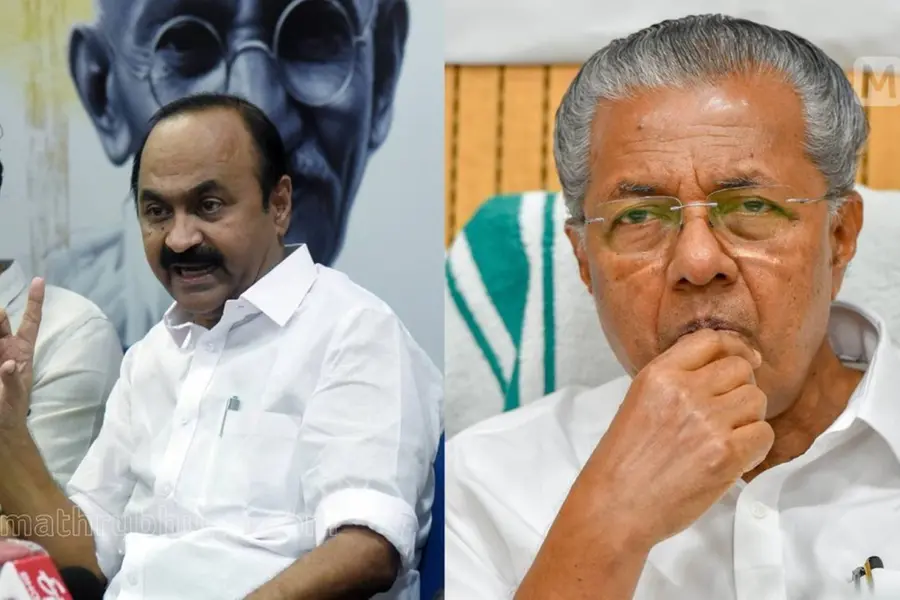
The Kerala Legislative Assembly witnessed stormy scenes on Wednesday as the UDF government officially passed the Finance Bill, 2026, amid a staged walkout and subsequent boycott by the LDF Opposition. At the heart of the row is a significant tax restructuring for low-alcohol beverages, a move the Opposition claims is a "smuggled" policy shift intended to benefit large liquor companies.
A clash over tax versus policy
Chief Minister V D Satheesan moved the Bill for consideration but was immediately met with fierce resistance. Defending the proposal to cut taxes on beverages with an alcohol content of up to 20 per cent, the Chief Minister insisted the move would not automatically pave the way for their sale in the state. He sought to distance the tax measure from actual availability, stating that the UDF's liquor policy would be decided separately after "wider public consultation".
"If the government ultimately decided against introducing them, they would not be sold in the state," Satheesan clarified. He explained that the Kerala State Beverages Corporation, which holds a wholesale monopoly, simply would not procure the products if the final policy remained restrictive. For comparison, Indian Made Foreign Liquor (IMFL) currently sold in Kerala contains 42.86 per cent alcohol.
Procedural row and bypassed committees
The Opposition LDF, however, characterised the government's approach as a breach of legislative decorum. Former Finance Minister K N Balagopal raised a point of order, arguing that the Bill should have been referred to the Subject Committee for detailed scrutiny before reaching the House. He noted that almost all the major provisions in the Bill related to liquor, leaving little room for other fiscal matters.
"Bringing this Finance Bill directly before the House without giving the Subject Committee an opportunity to examine it undermines the rights of the legislature," Balagopal said. He argued the move reflected "an approach that discourages discussion rather than encourages it" and claimed that, while the previous LDF government examined similar ideas, it chose not to implement them without a formal policy debate.
Tracing the roots of the proposal
Responding to the charge of "haste", the Chief Minister pointed out that the Bill followed a Business Advisory Committee (BAC) report approved on June 24, 2026, which included Opposition leaders who raised no objections at the time. "If he wants to make political arguments or level allegations, he is free to do so during the debate... But there is no legal basis for the objection he has raised," the Chief Minister remarked.
Satheesan further claimed the proposal originated on November 16, 2021, under the previous LDF government's watch, with the then Excise Minister M V Govindan approving a draft amendment. He cited recommendations from the A P Udayabhanu Commission and the Justice Ramachandran Committee, both of which favoured promoting low-alcohol beverages to reduce dependence on hard liquor. He also noted that Kerala currently levies the highest taxes in southern India on such products, contrary to World Health Organization (WHO) recommendations.
Concerns over "Big Liquor" influence
Opposition leader Pinarayi Vijayan remained unconvinced, accusing the government of pushing a major policy change under the guise of a Finance Bill. He claimed the LDF had only ever discussed promoting fruit wines made from local agricultural products to help farmers, not a broad tax cut for commercial manufacturers.
"What is being done is entirely different. Instead of supporting local producers, the government is giving large liquor companies the freedom to market their products by substantially reducing taxes," Vijayan alleged. He questioned the government's insistence on a tax reduction he claimed exceeded 130 per cent, ultimately leading his party to boycott the proceedings in protest.
Relief for transport and future projects
Away from the liquor dispute, the Finance Bill introduced several other measures aimed at stimulating the economy. For the first time in Kerala's history, the government granted a 50 per cent concession in quarterly tax for private bus operators, acknowledging their severe financial difficulties.
The Chief Minister also announced a time-bound implementation plan to complete 541 projects across various departments within the next 100 days. Despite what he described as a "severe financial crisis" and liabilities inherited from the previous administration, Satheesan maintained that the Budget imposed no additional tax burden on the public, relying instead on an "intensive tax drive" and "plugging leakages in the treasury" to fund development.
The session concluded with the Assembly being adjourned sine die, though the political ripples of the tax cut continue to be felt within the ruling UDF itself, with leaders such as V M Sudheeran and the Indian Union Muslim League expressing ongoing concerns.
Published: 02 Jul 2026, 08:49 am IST
Related Topics
Disclaimer: Kindly avoid objectionable, derogatory, unlawful and lewd comments, while responding to reports. Such comments are punishable under cyber laws. Please keep away from personal attacks. The opinions expressed here are the personal opinions of readers and not that of Mathrubhumi.
