
Screenings at the International Film Festival of Kerala were disrupted after the Centre denied exemption certificates to several films, triggering sharp criticism from filmmakers and politicians over alleged bureaucratic overreach.
The International Film Festival of Kerala (IFFK) has been hit by controversy after the Union Ministry of Information and Broadcasting denied exemption certificates required to screen films without CBFC clearance, forcing organisers to cancel multiple screenings mid-festival.
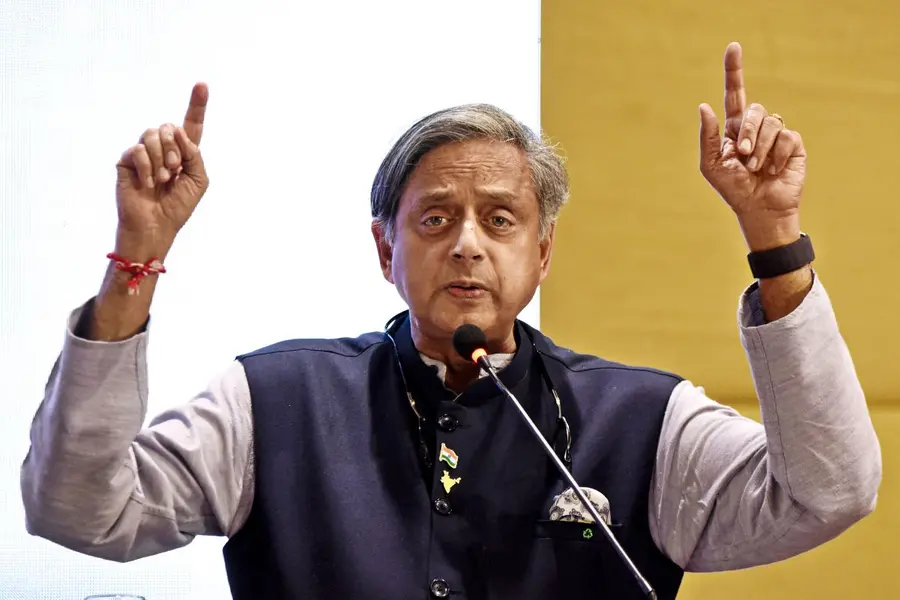
Congress MP Shashi Tharoor termed the development “most unfortunate,” saying the episode has cast an avoidable shadow over one of India’s most respected film festivals. In a post on X, Tharoor said the Centre’s refusal to clear 19 films reflected a troubling lack of cultural sensitivity and cinematic understanding.
“It is most unfortunate that an unseemly controversy has arisen over the central government’s denial of clearance to 19 films scheduled to be screened at IFFK in Thiruvananthapuram,” Tharoor wrote.
He revealed that the original list of films awaiting clearance was much longer, but several permissions were secured after he intervened with Union Minister Ashwini Vaishnaw, following a request from festival chairman and Oscar-winning sound designer Resul Pookutty. The remaining films, Tharoor said, are still awaiting approval from the Ministry of External Affairs.
According to festival organisers, screenings of at least seven films over the past two days had to be stalled due to the absence of the mandatory exemption certificate. At present, 19 films remain in limbo, disrupting schedules and inconveniencing delegates and cinephiles.
Calling the decision baffling, Tharoor pointed to the denial of permission for Sergei Eisenstein’s Battleship Potemkin (1928), widely regarded as a cornerstone of world cinema.
“To deny clearance to a classic viewed by hundreds of millions globally over the last century is laughable,” he said, adding that blocking Palestinian films appeared to stem from “bureaucratic over-cautiousness rather than cultural breadth of vision.”
He urged both Information and Broadcasting Minister Ashwini Vaishnaw and External Affairs Minister S. Jaishankar to grant expeditious clearances to prevent further embarrassment to Kerala and India’s global cultural standing.
The backlash has resonated strongly within the film fraternity. Legendary filmmaker Adoor Gopalakrishnan criticised the decision to block classics such as The Hour of the Furnaces and Battleship Potemkin, calling it a “sheer lack of understanding of cinema.”
He argued that these films are globally accessible and widely studied, making the ban appear symbolic rather than effective.
Veteran director Kamal echoed the sentiment, describing the move as “deeply disappointing” and questioning how a film central to the history of cinema could be barred from a reputed international festival.
Under existing norms, films without CBFC certification can be screened at festivals after obtaining a special exemption certificate from the I&B Ministry. The failure to secure these clearances in time has now turned a celebration of global cinema into a flashpoint over censorship, bureaucratic control and artistic freedom.
Organisers remain in talks with authorities, hoping the impasse will be resolved before the festival concludes on December 19.
Published: 16 Dec 2025, 11:15 am IST
Related Topics
Disclaimer: Kindly avoid objectionable, derogatory, unlawful and lewd comments, while responding to reports. Such comments are punishable under cyber laws. Please keep away from personal attacks. The opinions expressed here are the personal opinions of readers and not that of Mathrubhumi.
