
Artist and Kochi-Muziris Biennale co-founder Bose Krishnamachari stepped down in January following a sexual harassment complaint filed under the PoSH Act, confirmed officials.
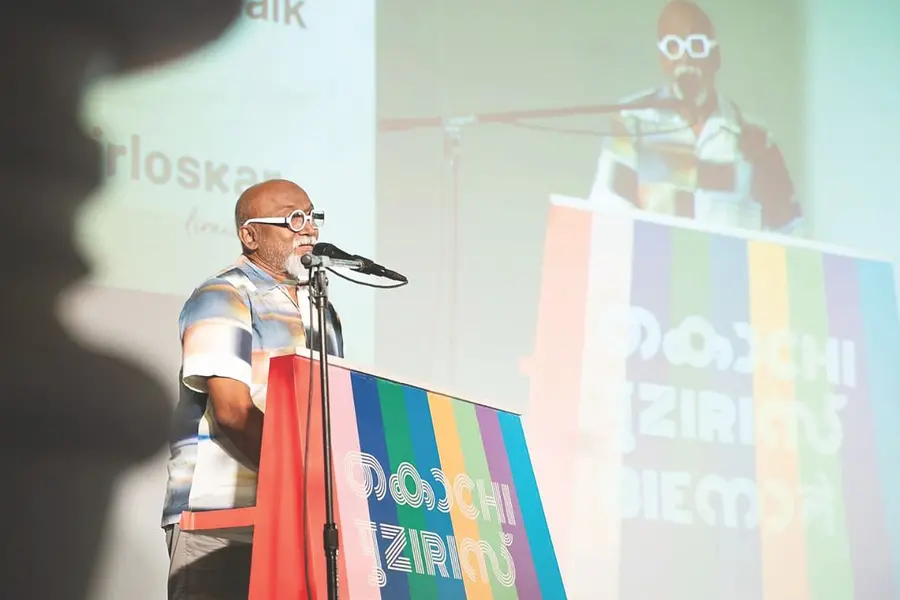
Renowned artist and co-founder of the Kochi-Muziris Biennale (KMB), Bose Krishnamachari, resigned from his positions as president of the Kochi Biennale Foundation (KBF) and member of its Board of Trustees in January, following a sexual harassment complaint filed against him, according to sources familiar with the matter.
The complaint was submitted in December under the provisions of the Prevention of Sexual Harassment (PoSH) Act and was taken up by the foundation’s Internal Complaints Committee (ICC).
Confirming the development, KBF chairperson Venu Vasudevan said the organisation had received a formal complaint and initiated due process.
“A complaint was received with the Internal Complaints Committee under the PoSH Act in December,” Vasudevan stated, without disclosing further details, citing confidentiality norms surrounding such proceedings.
Krishnamachari, a prominent figure in India’s contemporary art scene, played a pivotal role in establishing the Kochi-Muziris Biennale, widely regarded as one of the country’s most prestigious international art exhibitions.
He also co-curated its inaugural edition in 2012, helping position Kochi as a global art hub.
The sixth edition of the Biennale, which opened on December 12 last year, is currently underway and scheduled to conclude on March 31. The development comes at a critical time for the event, which attracts artists and visitors from across the world.
While Krishnamachari has not publicly commented in detail on the allegations, his resignation is seen as a significant move amid increasing scrutiny of workplace conduct and accountability within cultural institutions.
It remains unclear whether the ICC has concluded its inquiry or if further action is anticipated.
The Kochi Biennale Foundation has not issued an official public statement elaborating on the complaint or the findings of the committee so far.
However, sources indicate that the resignation was linked to the complaint and the ongoing inquiry process.
The case underscores the growing importance of institutional mechanisms like ICCs under the PoSH Act in addressing allegations of sexual harassment, even within high-profile art and cultural spaces that have historically operated with less formal oversight.
As the Biennale continues, attention is likely to remain on how the foundation navigates governance, transparency, and accountability in the wake of the controversy.
Published: 25 Mar 2026, 08:27 am IST
Related Topics
Disclaimer: Kindly avoid objectionable, derogatory, unlawful and lewd comments, while responding to reports. Such comments are punishable under cyber laws. Please keep away from personal attacks. The opinions expressed here are the personal opinions of readers and not that of Mathrubhumi.
