
Between delivering forms door-to-door, logging the day’s work on the BLO app, attending calls, planning the next day’s work and fulfilling domestic duties, a BLO’s SIR workload amounts to 14 to 15 hours a day.
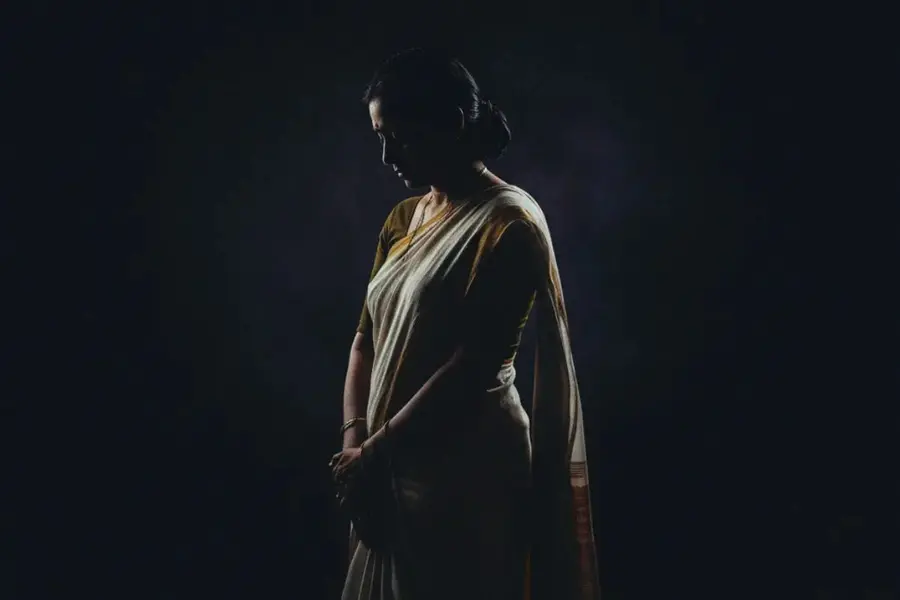
Kerala: “I have thought about suicide, but then my children’s faces come to mind. If I die, no one else will lose anything, but my children will lose their mother. Please don’t reveal my name. My children would be devastated. I haven’t told them how much mental pressure I’m under…”
These are the tearful words of a young government employee who works as a Booth Level Officer (BLO) for the state’s Special Intensive Revision (SIR) exercise. Since enumeration forms began being distributed on November 4, she has been leaving home before dawn and returning only late at night.
Also Read

Once home, she has to log every form she delivered into the BLO app. She must then select the next day’s forms, plan the routes and arrange them systematically. In households with no help available, the BLO must also manage all domestic chores. By the time she gets to bed, it is often past 2 am. In the midst of all this, calls from voters keep coming. Altogether, a BLO’s SIR workload amounts to 14 to 15 hours a day.
The recent suicide of a BLO from Payyanur, Kannur, has intensified the ongoing political storm over the SIR exercise in Kerala.
Private phone numbers printed without consent
“My personal phone number has been printed on the enumeration form without even asking my consent. People call me day and night. Don’t we deserve to live too? They don’t even give us the basic consideration that we are women. The other night, at past midnight, someone rang asking doubts about filling in the form and then blamed me because he couldn’t find his details from 2002. Even while distributing forms, the calls don’t stop. It is when I checked the caller’s voter ID that I realised he wasn’t even in my constituency. When I asked how he got my number, he said it had been shared via WhatsApp. This is carelessness of the worst kind…”
These are the words of another female BLO. Most BLOs now receive at least 30 to 40 calls a day related to the SIR. All of them say their privacy has been severely violated, and they hold the Election Commission responsible.
“Can we even use this number for our private life anymore? The form should have carried the Election Commission’s helpline number. If they wanted the BLO’s number, they should have provided us with a new SIM and phone. If the Commission couldn’t afford that, they could at least have told us, and we would have bought a new SIM ourselves. This number is linked to my Aadhaar and my bank accounts. I don’t know what to do now…”
Also read: Rajasthan teacher ends life allegedly over SIR pressure
What about women’s safety?
Deserted streets, empty houses and flats during the day are the biggest challenge faced by women BLOs in urban areas. Just two days ago in Kaloor, Ernakulam, a man pulled the shawl off a woman BLO who had gone to deliver an SIR form. Many of these women must enter neighbourhoods plagued by drug use and drug sales, without knowing the houses or the routes.
“I walked nearly two kilometres trying to locate an incomplete address, only to find it wasn’t even in my booth. If the full address had been printed, this wouldn’t happen. Most forms only carry the voter’s name, house name and locality — no details of which road the house is on. If only someone who knew the area could accompany us!” said one urban BLO.
Even neighbouring houses may fall under different booths, creating confusion: one home receives a form, the next does not, and residents question the BLO. In some families, even members of the same household are assigned different booths.
“Some households take pity on us and ask us to come inside, rest for a moment and drink some water. They don’t know that we are pressured like stray dogs being chased away with stones, not even having a brief respite from work,” said another BLO, exhausted from walking in the heat.
“People trace our homes and turn up at our doorstep. Our family’s privacy is gone. Is this what the Union and state governments call women’s safety — the same slogan they repeat several times a day?” asked another BLO.
The voices of these women make one thing painfully clear: the SIR cannot rely on the silent endurance of overworked BLOs. Unless the system is corrected, and their safety, privacy and dignity are protected, the cost will be far greater than administrative inconvenience.
Published: 18 Nov 2025, 10:53 am IST
Disclaimer: Kindly avoid objectionable, derogatory, unlawful and lewd comments, while responding to reports. Such comments are punishable under cyber laws. Please keep away from personal attacks. The opinions expressed here are the personal opinions of readers and not that of Mathrubhumi.