
Madvi Hidma, one of India’s most feared Maoist commanders and the alleged mastermind behind some of the deadliest insurgent attacks in two decades
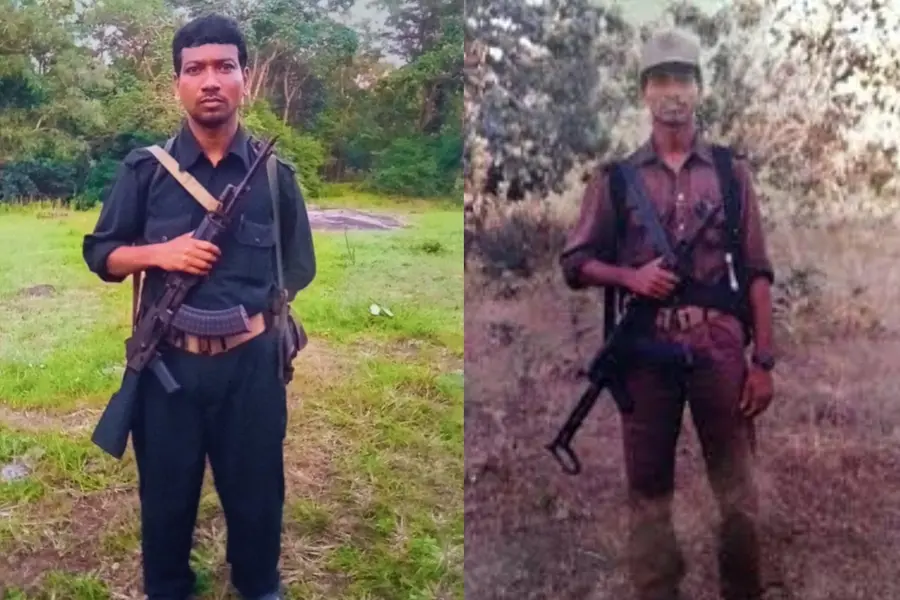
Visakhapatnam: The killing of top CPI (Maoist) commander Madvi Hidma in an intelligence-led operation in the Maredumilli forest of Andhra Pradesh marks one of the most significant blows to left-wing extremism in recent years.
Security forces launched the action after tracking senior Maoist movements along the Andhra Pradesh–Chhattisgarh border, an area that has historically served as a strategic corridor for Maoist regrouping. The state has seen intermittent attempts by Maoist cadres to revive their presence, even as sustained counter-insurgency operations and development drives have reduced their footprint over the past decade. Authorities say Hidma’s death not only disrupts the Maoists’ command structure but also comes at a time when the group has been trying to reorganise its units across the Dandakaranya region.
Also Read

Who Was Madvi Hidma?
- Tribal Maoist commander. Born in Sukma (now in Chhattisgarh), Hidma rose through the ranks of the CPI (Maoist) to become one of its most feared leaders.
- Leadership role. He headed the People’s Liberation Guerrilla Army (PLGA) Battalion No. 1 — considered the Maoists’ most lethal strike unit — and served on the CPI (Maoist) Central Committee.
- Tactical strength. Known for his deep knowledge of forest terrain (especially in the Dandakaranya region), he commanded a cadre of around 130–150 armed cadres.
- Criminal record. Hidma has been linked to several major Maoist attacks: the 2010 Dantewada ambush, the 2013 Darbha Valley (Jhiram Ghati) massacre, and a 2021 Sukma–Bijapur ambush that killed over 20 security personnel.
- Bounty. At the time of his death, he carried a reward exceeding ₹ 1 crore.
- Ideological network. His mentor was Ramchandra Reddy Pratap Reddy (alias “Chalapati”), another senior Maoist ideologue.
The Operation: How Hidma Was Killed
- Location. The encounter took place in the Maredumilli forest, in the Alluri Sitharama Raju district of Andhra Pradesh, near the tri-junction with Chhattisgarh and Telangana.
- Intelligence-led mission. According to ADG (Intelligence) Mahesh Chandra Ladha of Andhra Pradesh, security agencies tracked top Maoist leaders suspected to be entering Andhra Pradesh with plans to revive their operations.
- Timing and execution. Authorities said they “waited for the right opportunity” based on actionable intelligence before launching the assault.
- Casualties. Madvi Hidma was killed along with his wife (named Raje) and four of his armed guards.
- Weapons recovered. Security forces recovered a significant cache from the encounter site, including AK-47 rifles, a pistol, a revolver, a single-bore weapon and kit bags.
- Post-encounter action. A combing operation is ongoing, as some Maoist cadres are reported to have fled the scene.
Why Hidma’s Death Matters
- Major blow to Maoist insurgency. Security officials call this a “decisive moment” in the fight against left-wing extremism, particularly in the Bastar and Dandakaranya regions.
- Leadership vacuum. With Hidma gone, the Maoists are likely to face a serious gap in command, especially within Battalion No. 1.
- Morale impact. His elimination may weaken the operational capacity and morale of Maoist cadres deeply rooted in forested strongholds.
- Strategic victory. The operation underscores the increasing effectiveness of intelligence-based counter-insurgency efforts by security agencies.
Hidma’s Legacy and Controversy
- Guerrilla warfare mastermind. Hidma was known not just for violent ambushes but also for staying hidden, using forest terrain to his advantage, and maintaining a tight-knit network.
- Criminal charges. He was implicated in a case involving the procurement of bomb-making precursors through licensed companies in Andhra Pradesh and Telangana.
- Political significance. As a tribal leader elevated to a top Maoist position, his rise was symbolic — and his fall may destabilise tribal representation within the CPI (Maoist).
- Reward and notoriety. Over the years, security agencies consistently ranked him among their top targets because of his operational reach and lethality.
What Happens Next
Continued operations. Security forces are expected to intensify combing operations in the forest belt to track down remaining Maoist cadres.
Counter-insurgency push. Hidma’s elimination may accelerate India’s broader anti-Maoist strategy, including efforts to dismantle strongholds under “Mission 2026.”
Governance and development window. With a key leader gone, there may be an opportunity for renewed focus on development and outreach in previously inaccessible tribal and forested areas.
Maoist response. Analysts will closely watch how the CPI (Maoist) reorganises its leadership and whether other commanders step up to fill the gap.
The killing of Madvi Hidma is a watershed moment in India’s long-running counter-insurgency campaign against the Maoists. Not only was he a symbol of the insurgency’s operational strength, but his death may also reshape the Maoist leadership and strategy, giving security forces a strong tactical and psychological advantage.
Published: 18 Nov 2025, 02:59 pm IST
Related Topics
Disclaimer: Kindly avoid objectionable, derogatory, unlawful and lewd comments, while responding to reports. Such comments are punishable under cyber laws. Please keep away from personal attacks. The opinions expressed here are the personal opinions of readers and not that of Mathrubhumi.