
India's government is reviewing WhatsApp's upcoming username feature over concerns it could be misused for impersonation scams, cyber fraud and harder-to-trace online crimes.
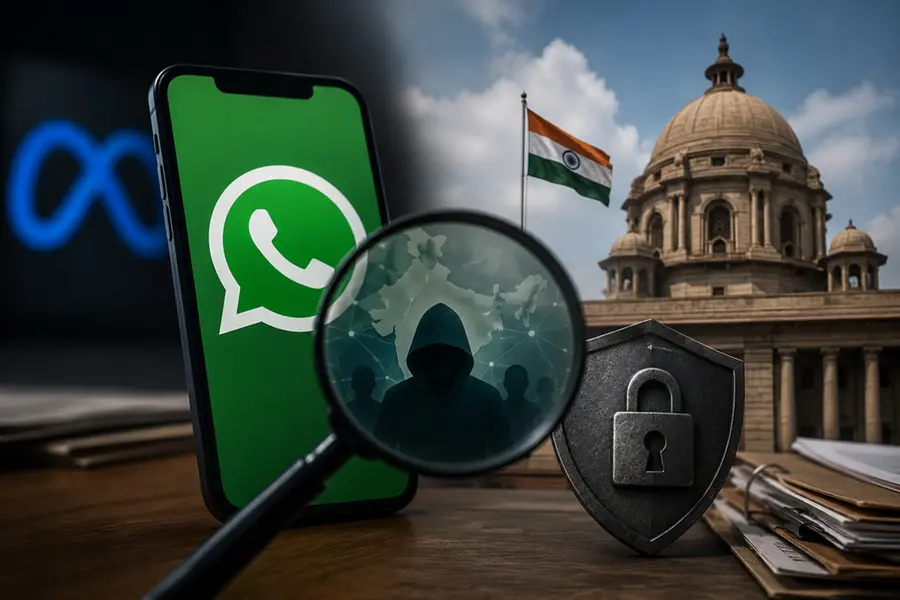
New Delhi: WhatsApp's upcoming username feature promises greater privacy by letting users chat without sharing their phone numbers. However, Indian authorities are examining whether the feature could also make it easier for fraudsters to impersonate others and harder for investigators to trace cybercriminals.
The Indian government has issued a notice to Meta over the proposed rollout of the 'usernames' feature on WhatsApp in India. It has directed the company to submit a detailed explanation of the feature within three days and has asked Meta not to launch the feature in the country until consultations on the matter are complete.
Also Read

The Ministry of Electronics and Information Technology (MeitY) is expected to hold discussions with Meta over WhatsApp's upcoming username feature after concerns were raised by law enforcement agencies.
Officials believe the feature, while designed to improve privacy, could be exploited by scammers to create usernames resembling government departments, companies or public figures, making impersonation scams more convincing.
How do WhatsApp usernames work?
WhatsApp has announced that users will soon be able to communicate using unique usernames instead of sharing their mobile numbers.
The optional feature is aimed at protecting users' privacy, especially when chatting in groups or contacting people for the first time. Users will be able to reserve a username before the wider rollout later this year.
Why could this make fraud investigations harder?
Authorities say phone numbers currently provide an important starting point for identifying suspects involved in online scams.
If fraudsters rely mainly on usernames instead of visible phone numbers, investigators could face additional challenges in identifying whether an account is operated from India or overseas. Officials also argue that fake usernames closely resembling trusted organisations or government officials could increase the risk of impersonation.
Law enforcement agencies have also expressed concerns about delays in obtaining account information during investigations, saying quicker responses are often crucial in cybercrime cases.
The Centre is expected to consult Meta and assess whether sufficient safeguards are built into the username system before or during its rollout.
According to officials, the review will focus on balancing user privacy with public safety and ensuring the feature cannot be easily exploited for fraud or identity impersonation.
What has WhatsApp said?
WhatsApp says the feature is designed to give users greater control over their privacy by allowing conversations without revealing phone numbers.
The company has said usernames will include multiple protections against abuse, including reserved usernames for prominent public figures and optional username keys that can help users verify identities. WhatsApp also maintains that end-to-end encryption for private messages will remain unchanged.
The debate highlights the growing challenge of balancing stronger digital privacy with effective cybercrime enforcement. While username-based messaging can help users protect personal information, authorities want to ensure the same feature does not inadvertently create new opportunities for online fraud or make investigations more difficult.
Published: 01 Jul 2026, 07:55 pm IST
Related Topics
Disclaimer: Kindly avoid objectionable, derogatory, unlawful and lewd comments, while responding to reports. Such comments are punishable under cyber laws. Please keep away from personal attacks. The opinions expressed here are the personal opinions of readers and not that of Mathrubhumi.