
The decline in the cost of a non-vegetarian thali was slower
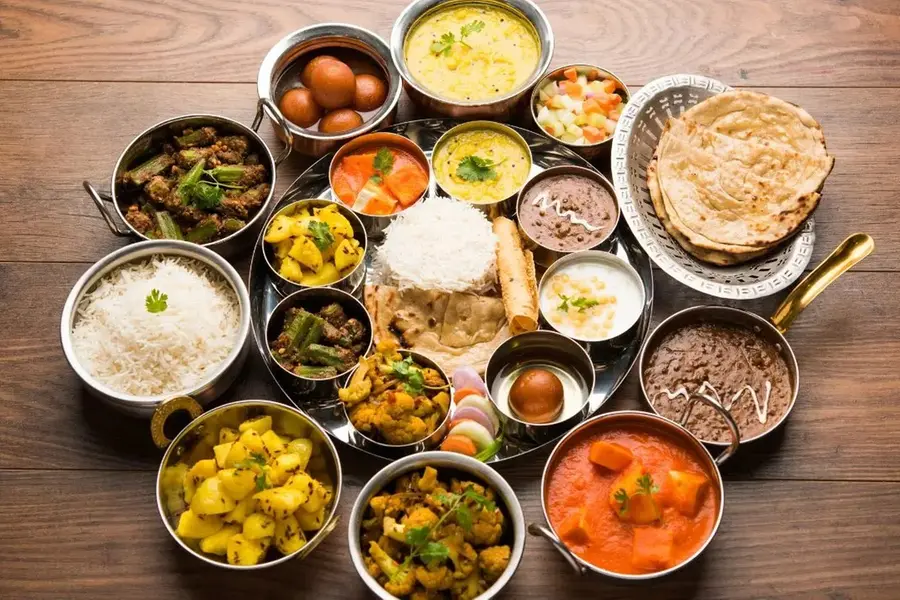
New Delhi: The prices of home-cooked thalis eased in September, with vegetarian thalis becoming 10 percent cheaper and non-vegetarian thalis six percent lower year-on-year, reflecting a notable fall in commodity prices, according to a Crisil report released on Tuesday.
Sharp drop in veg prices
The reduction in the cost of a vegetarian thali is primarily due to a drastic fall in vegetable and pulse prices. According to the report, tomato prices fell eight percent year over year as a result of increased supplies, while potato prices fell 31 percent as a result of excess stocks dumped by cold storage facilities.
Onion prices declined 46 percent year-on-year because of increased rabi supplies entering the market and a rise in domestic production, coupled with a slowdown in imports from Bangladesh, which accounts for 40 percent of India's onion exports.
Pulses get cheaper
Pulse prices fell 16 percent as increased imports of Bengal gram, yellow pea, and black gram, permitted until March 2026, exerted downward pressure on prices, the report observed.
Oil and LPG limit savings
However, because of increased demand at the beginning of the holiday season, vegetable oil prices increased 21 percent year over year, and a 6 precent year-over-year increase in the price of liquefied petroleum gas (LPG) cylinders prevented a huge drop in thali prices overall.
Chicken prices stable
The decline in the cost of a non-vegetarian thali was slower, largely due to a moderate one percent year-on-year fall in broiler (chicken) prices, which account for roughly 50 percent of the cost. Nevertheless, lower vegetable and pulse prices helped offset some of this impact.
Crisil Intelligence director Pushan Sharma said, "Going forward, onion prices could see a moderate increase in the medium term, as excess rainfall in August and September in key producing states such as Karnataka and Maharashtra has delayed kharif transplantation and raised yield concerns."
"Moreover, if heavy rainfall affects stored onions or the standing kharif crop in October, there could be additional upward pressure on prices," he added.
Tomato prices, meanwhile, are expected to firm up during the festive season, compounded by the isolated impact on yield from excessive rainfall in major producing states such as Karnataka and Maharashtra, Sharma said.
IANS inputs
Published: 07 Oct 2025, 02:53 pm IST
Related Topics
Disclaimer: Kindly avoid objectionable, derogatory, unlawful and lewd comments, while responding to reports. Such comments are punishable under cyber laws. Please keep away from personal attacks. The opinions expressed here are the personal opinions of readers and not that of Mathrubhumi.
