
Trump’s 2025 travel ban has left thousands of global students stranded. Indian aspirants aren’t directly barred—yet—but anxiety is rising. Here’s what you need to know before making your US plans.
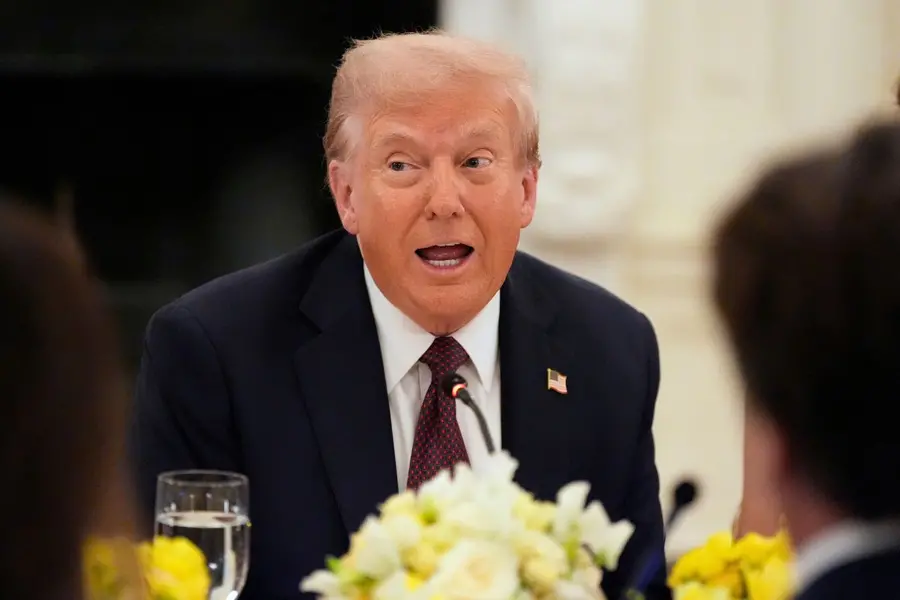
A sweeping travel ban imposed by the Trump administration in 2025 is blocking thousands of international students from enrolling at US universities this fall, sending shockwaves through the higher education sector.
The order covers 19 countries across Africa, Asia, the Middle East, and the Caribbean, barring most citizens from obtaining new F-1, J-1, or M-1 student visas.
Another seven countries face heightened restrictions and indefinite interview suspensions. Only a narrow set—such as green card holders, dual citizens, and select athletes—have been exempted.
Estimates suggest that over 5,700 students who received US visas from the affected countries last year are now unable to attend classes. Nationwide, international student enrollment is projected to fall by 30–40%, creating a shortfall of up to 150,000 students.
The administration defends the move on national security grounds, citing risks of visa overstays and “inadequate” screening by foreign governments. However, critics have slammed the policy as discriminatory and short-sighted, warning of severe financial losses for universities and local economies.
“This isn’t just a student issue—it’s an institutional crisis,” a senior US university official said, noting that colleges are scrambling to fill classrooms, research labs, and revenue gaps. NAFSA: Association of International Educators, the leading association on international education, projects billions in losses.
For Indian students, who make up the second-largest international student community in the US, the ban has sparked widespread concern—even though India itself is not on the list. Education consultancies in Delhi, Mumbai, and Hyderabad say families are “deeply anxious” about whether the restrictions could expand further.
Many Indian applicants are now weighing backup options in Canada, Australia, and the UK, which continue to court global talent. “Even if India is not directly impacted, the uncertainty around US policy has shaken confidence. Parents want stability before committing huge sums,” said a consultant in Gurugram.
Meanwhile, some elite universities, such as Harvard, have filed lawsuits, resulting in limited court-ordered exceptions. But for most institutions, the ban remains fully enforced this semester.
As campuses reopen without thousands of international students, the cultural and academic life of American universities is already being reshaped—and for India’s aspiring overseas students, the question is whether the US will remain a dependable destination at all.
Published: 16 Sept 2025, 07:21 am IST
Related Topics
Disclaimer: Kindly avoid objectionable, derogatory, unlawful and lewd comments, while responding to reports. Such comments are punishable under cyber laws. Please keep away from personal attacks. The opinions expressed here are the personal opinions of readers and not that of Mathrubhumi.
