
The overall supply situation remains delicate due to ongoing agricultural unrest in key producing states.
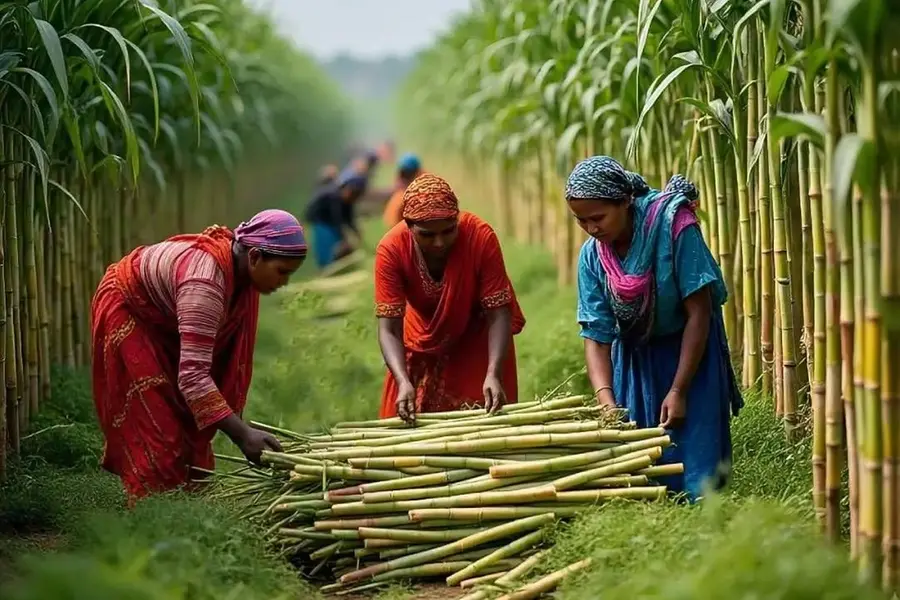
The Union government has directed state-owned fuel retailers to completely stop purchasing ethanol made from sugarcane juice, sugar syrup, and B-heavy molasses for the 2026–27 supply year starting November 1. This landmark decision aims to direct sugarcane reserves entirely toward domestic consumption, boosting local availability and protecting family budgets from soaring sugar costs following dry summer weather.
In a joint 11-billion-litre tender issued on Friday, public sector refiners including Indian Oil Corporation, Bharat Petroleum, and Hindustan Petroleum excluded sugar-based feedstocks altogether. Distillers are instead being instructed to produce biofuel exclusively from corn, damaged foodgrains, Food Corporation of India surplus rice, and lower-grade C-heavy molasses. To align market dynamics, authorities also reduced the incentive for corn-based ethanol to Rs 2.79 per litre, bringing its procurement price down to Rs 68.86 per litre.
Pivot to grain feedstocks keeps clean fuel targets on track
This strategic policy shift comes as the nation balances its renewable energy goals with everyday cost-of-living pressures. Having achieved its target of 20 per cent ethanol-blended petrol in 2025 five years ahead of schedule, India made the E20 blend mandatory nationwide earlier this year. Fortunately, grain feedstocks have already proven capable of shouldering the load. By the end of September, grain-based supplies accounted for over 71 per cent of cumulative ethanol receipts, delivering 705 crore litres out of 987 crore litres collected nationwide. Maize led this contribution with 413 crore litres, supported by surplus rice and damaged grains.
Deficient monsoon rains caused by a strong El Niño hit sugarcane crops across major belts, threatening tighter domestic yields and pushing local sweetener prices higher. Restricting sugarcane diversion is expected to add nearly three million metric tonnes of sugar back to local markets, providing essential relief as demand peaks during the festive season.
Farmer protests and mill delays compound sugar market anxiety
The overall supply situation remains delicate due to ongoing agricultural unrest in key producing states. In Maharashtra, only 19 out of 55 sugar mills had managed to begin crushing operations by mid-October, while operations in Karnataka remained completely stalled as growers blocked major highways. Protesting farmers are demanding higher support prices and an increase in the minimum sugar selling price from Rs 31 to at least Rs 50 per kg to cover rising cultivation expenses.
Although Union Agriculture Minister Shivraj Singh Chouhan and Food Minister Pralhad Joshi announced a special joint committee headed by Ramesh Chand to address recovery metrics and weighing issues, farmer associations rejected the panel over the lack of immediate financial relief. With field disruptions continuing and crushing delayed, the Centre's zero-diversion order stands as its primary lever to stabilise retail sugar availability for everyday consumers across the country.
Published: 17 Oct 2026, 01:04 pm IST
Related Topics
Disclaimer: Kindly avoid objectionable, derogatory, unlawful and lewd comments, while responding to reports. Such comments are punishable under cyber laws. Please keep away from personal attacks. The opinions expressed here are the personal opinions of readers and not that of Mathrubhumi.
