
It recognises renewable and low-carbon fuels, including ethanol-blended petrol, biofuels and compressed biogas (CBG), through the introduction of a Carbon Neutrality Factor.
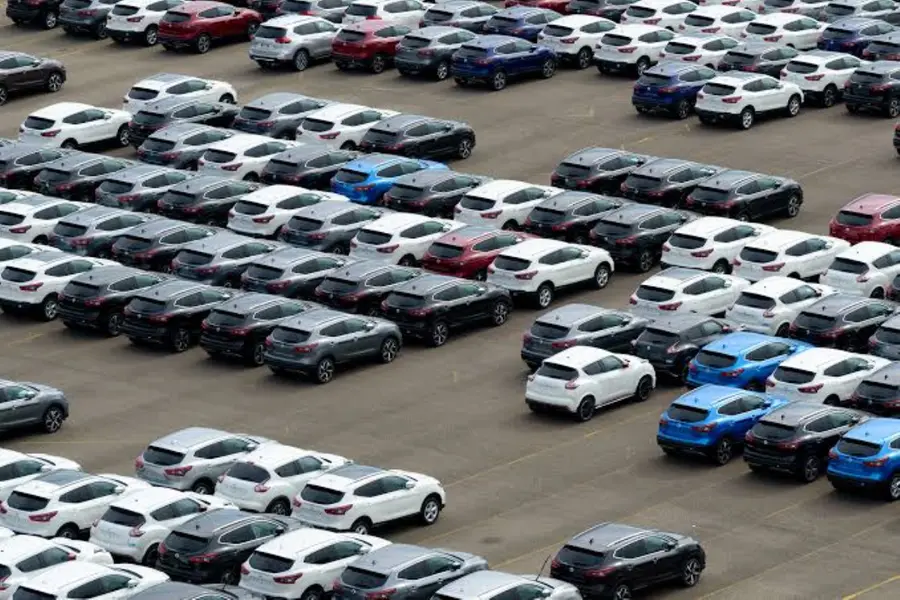
New Delhi: The government has notified a new set of Corporate Average Fuel Economy (CAFE) norms for passenger vehicles, setting a target of improving fleet-wide fuel efficiency by 16.7 per cent over five years.
The new framework is aimed at encouraging cleaner technologies, alternative fuels, electric vehicles and hybrids as India seeks to reduce fuel consumption and improve energy efficiency in the passenger vehicle sector.
Notified by the Ministry of Power, the norms will come into force from April 1, 2027, and remain applicable until March 31, 2032. They will cover new passenger vehicles manufactured or imported for sale in India, according to a ministry release.
How much will fuel-efficiency targets change?
Under the new framework, the fuel-consumption benchmark will become progressively stricter each year.
The benchmark will move from 3.996 litres per 100 km in 2027-28 to 3.3273 litres per 100 km in 2031-32. This amounts to an improvement of around 16.7 per cent over the five-year period.
The government has also raised the reference weight used to calculate the norms from 1,082 kg to 1,229 kg, an increase of around 13.6 per cent.
This revised target line means relatively lighter vehicles will face softer targets, while heavier vehicles will be required to achieve greater fuel efficiency.
Why do the new CAFE norms matter?
The framework gives automobile manufacturers greater flexibility in deciding how to meet the efficiency requirements.
It recognises renewable and low-carbon fuels, including ethanol-blended petrol, biofuels and compressed biogas (CBG), through the introduction of a Carbon Neutrality Factor.
The government has also expanded the list of recognised fuel-conservation technologies from four to 12.
Also read | ‘Running cost comparable to Rs 25 petrol’: Gadkari on Toyota’s 100% ethanol Innova
Manufacturers can receive a concession of 1 gram of CO2 per km for each eligible technology, subject to a maximum concession of 9 grams of CO2 per km.
What about EVs and hybrids?
The new rules provide additional incentives for cleaner vehicle technologies.
Battery electric vehicles, range-extended electric vehicles, plug-in hybrids, strong hybrids and flex-fuel vehicles will receive volume derogation factors, or “super credits”, in fleet-average calculations.
Also read | Can E100 replace petrol in India? Toyota's ethanol Innova puts fuel alternative in spotlight
The measure is intended to encourage automobile manufacturers to increase the deployment of vehicles using cleaner technologies.
How can carmakers meet the targets?
The new framework also introduces flexibility in compliance.
Manufacturers will be allowed to meet their obligations through specified two-year or three-year compliance blocks.
Companies that exceed their targets can carry forward credits. Manufacturers facing compliance gaps can use eligible credits, trade credits with other manufacturers or purchase credits through a buyout mechanism administered by the Bureau of Energy Efficiency.
The Ministry of Power said the framework would provide greater regulatory clarity, technology choice and flexibility while supporting the passenger vehicle sector's transition towards greater energy efficiency and lower fuel consumption.
Published: 30 Sept 2026, 11:21 am IST
ABOUT THE AUTHOR

Related Topics
Disclaimer: Kindly avoid objectionable, derogatory, unlawful and lewd comments, while responding to reports. Such comments are punishable under cyber laws. Please keep away from personal attacks. The opinions expressed here are the personal opinions of readers and not that of Mathrubhumi.