
Sugar mills might soon be asked to stop using high-quality cane juice for ethanol and instead use only the "C-heavy" molasses left after most sugar has been extracted.
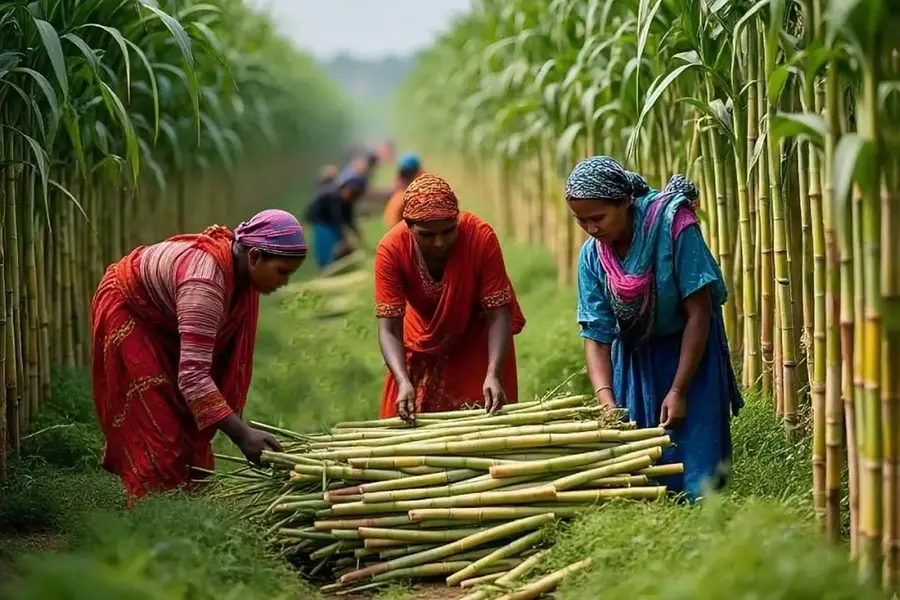
The union government is apparently weighing a shift in its green fuel strategy. To tackle record-breaking sugar prices, the government is considering restricting the amount of sugarcane diverted to ethanol production for the upcoming season.
According to a report by Reuters, officials are looking at ways to boost domestic sugar supplies after poor rainfall in major growing states like Maharashtra and Karnataka sparked fears of a shortage.
Currently, about 10% of India's sugar output is turned into fuel. Cutting this back could add roughly 3 million metric tons to the market, potentially cooling prices that have jumped 10% in just a month.
This move aims to ensure India does not have to rely on expensive imports as the festive season approaches and demand for sweets and travel rises.
While the government seeks to stabilise the market, the opposition has launched a scathing attack on the E20 policy. Congress leader Jairam Ramesh describes the hurried rollout as a threat to both food and water security.
He notes that producing ethanol from sugarcane is incredibly water-intensive, requiring over 3,600 litres of water for every litre of fuel produced. Ramesh further claims the government is subsidising this process by providing rice to distilleries at 40% below what it pays to procure it from farmers, questioning the environmental motives behind the policy.
A Shift in the Feedstock Strategy
To keep its 20% ethanol blending target on track, the focus may shift towards using corn and rice stocks, which remain plentiful.
Sugar mills might soon be asked to stop using high-quality cane juice for ethanol and instead use only the "C-heavy" molasses left after most sugar has been extracted.
Despite the potential restrictions, industry experts suggest sugar mills may actually benefit, as selling sugar currently offers better financial returns than producing ethanol.
The final decision, expected by late next month, will determine how India balances its energy goals with the rising cost of living for its citizens.
Published: 10 Aug 2026, 08:21 pm IST
Related Topics
Disclaimer: Kindly avoid objectionable, derogatory, unlawful and lewd comments, while responding to reports. Such comments are punishable under cyber laws. Please keep away from personal attacks. The opinions expressed here are the personal opinions of readers and not that of Mathrubhumi.
