
Under the E20 programme, petrol containing up to 20 per cent ethanol has been adopted as the nationwide standard.
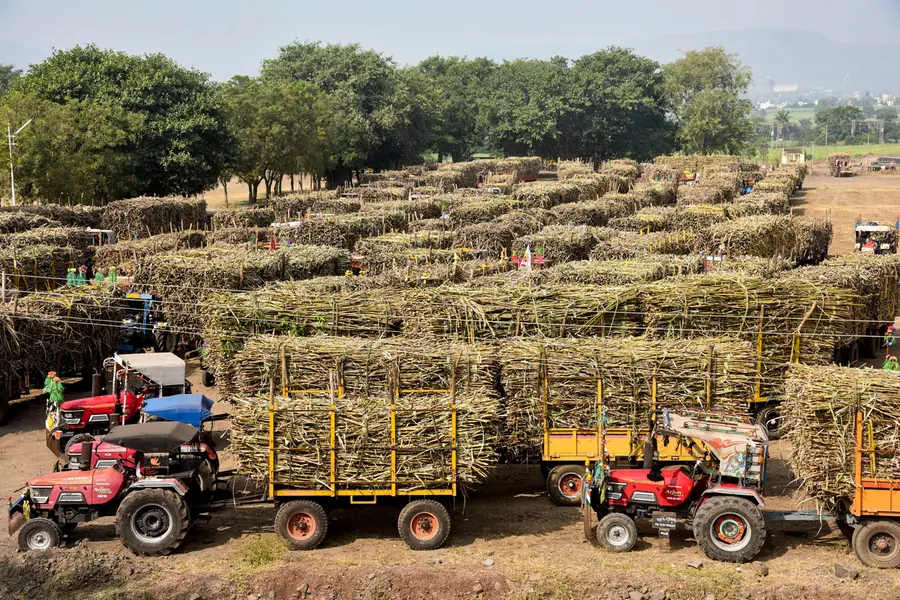
New Delhi: In a significant shift in India's ethanol-blending policy, state-run oil marketing companies (OMCs) have excluded ethanol derived from sugarcane juice, sugar syrup and B-heavy molasses from their procurement tender for the 2026-27 supply year. The decision comes as the government moves to safeguard domestic sugar availability amid concerns over production and rising prices.
The latest tender, floated by Bharat Petroleum Corporation Limited (BPCL) on October 16 on behalf of oil marketing companies, seeks approximately 11 billion litres of ethanol for blending with petrol during the supply year beginning November 2026.
Alongside the restrictions on sugar-based ethanol, the government has reduced the procurement incentive for maize-derived ethanol, bringing its price down from Rs 71.86 to Rs 68.86 per litre.
"The Government of India has issued directions that sugar diversion for ethanol be reduced to zero for ethanol supply year 2026-27," the tender document said.
"No offers have been sought for ethanol produced from sugarcane juice, sugar or sugar syrup and B-heavy molasses in this quantity bid tender," it added.
The decision effectively removes major sugar-based feedstocks from the latest procurement process, signalling a change in the sourcing strategy for India's ethanol-blended petrol programme.
However, ethanol produced from C-heavy molasses, a byproduct of sugar production, remains eligible under the tender.
Other permitted feedstocks include maize, broken rice and surplus rice sourced through the Food Corporation of India (FCI).
The revised procurement terms also reduce the additional incentive offered for maize-based ethanol from Rs 5.79 to Rs 2.79 per litre, potentially affecting the earnings of distilleries that depend heavily on maize for production.
The restrictions come against the backdrop of concerns over sugar production following inadequate rainfall in major sugarcane-growing regions, particularly Maharashtra and Karnataka.
With India being the world's largest consumer of sugar, any substantial diversion of sugarcane towards ethanol production could place additional pressure on domestic supplies, especially during periods of reduced agricultural output.
The government's latest intervention is aimed at ensuring that sugar remains available for household and industrial consumption while preventing further pressure on retail prices.
India's ethanol-blending programme, designed to reduce dependence on imported crude oil and lower vehicular emissions, has traditionally drawn supplies from both sugarcane-based and grain-based distilleries.
Under the E20 programme, petrol containing up to 20 per cent ethanol has been adopted as the nationwide standard.
The blending initiative has also generated additional demand for agricultural produce and created new business opportunities for distilleries across the country.
However, the exclusion of sugarcane juice, sugar syrup and B-heavy molasses from the latest tender could significantly alter the industry's feedstock requirements.
With grain-based ethanol expected to shoulder a greater share of supply, the availability of maize and rice, production costs and the capacity of existing distilleries are likely to play an increasingly important role in meeting blending targets.
The lower maize incentive could also put pressure on producers' margins at a time when demand for grain-derived ethanol is expected to increase.
The procurement exercise covers the ethanol supply year from November 2026 to October 2027.
The policy shift highlights the challenge of balancing India's clean-fuel and energy-security ambitions with the need to protect food supplies and maintain stable domestic prices.
Published: 18 Oct 2026, 02:17 pm IST
ABOUT THE AUTHOR

Related Topics
Disclaimer: Kindly avoid objectionable, derogatory, unlawful and lewd comments, while responding to reports. Such comments are punishable under cyber laws. Please keep away from personal attacks. The opinions expressed here are the personal opinions of readers and not that of Mathrubhumi.