
The Transgender Rights Act 2026 has sparked debate, with activist Maya Thakur calling for self-identification and better protection for independent transgender individuals
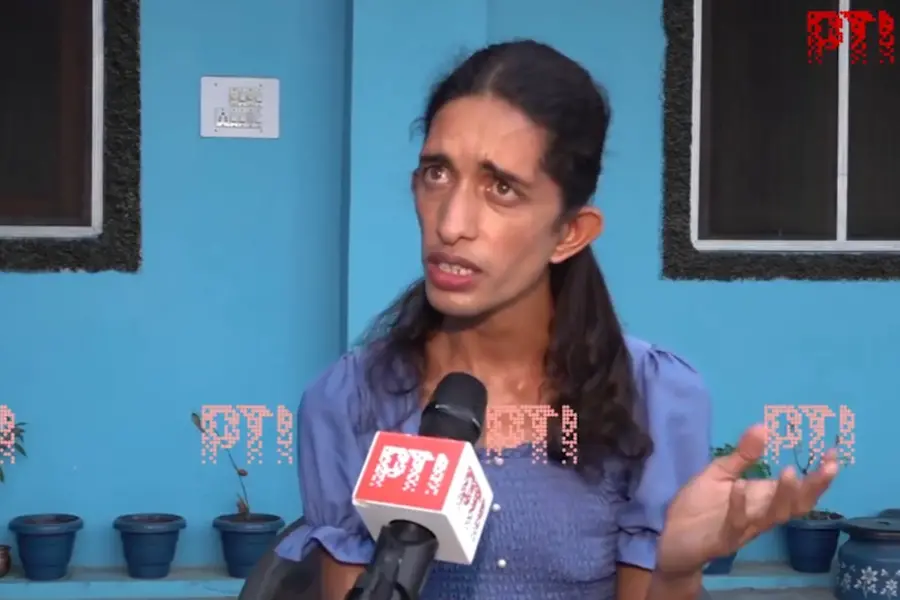
Shimla: Concerns have been raised over the recently passed Transgender Persons (Protection of Rights) Amendment Act, 2026, with calls for more inclusive provisions to safeguard individuals who choose not to associate with traditional eunuch communities.
Maya Thakur, a prominent transgender figure associated with the Solan election department in Himachal Pradesh, has urged that the law should explicitly protect transgender individuals who prefer to live independently rather than as part of established community structures.
Also Read

Call for identity based on self-perception
Thakur, who belongs to Kothi village in Solan district, stressed that gender identity should be determined by personal experience and self-perception, rather than physical characteristics assessed by a medical board.
The amendment introduces significant changes to the 2019 legislation. It replaces the earlier provision of self-identification with a system that requires certification through a medical board. It also makes it mandatory to report surgeries to district authorities and excludes individuals whose self-perceived sexual orientation differs from prescribed criteria.
“I was born male but have always identified as a woman. My identity is that of a transgender woman. We are unisex, not eunuchs,” Thakur said. She added that every citizen in a democratic country should have the freedom to live according to their identity.
Demand for restoration of self-identification
Thakur has appealed for revisions to the law so that self-identification is reinstated. While she acknowledged the need for verification, she argued that such processes should be handled by authorised government officials rather than influenced by specific community groups.
She also pointed to concerns about certain traditional practices, stating that some groups discourage medical examination and continue practices that require stricter oversight. In a letter addressed to the Secretary of the Ministry of Social Justice and Empowerment, she further highlighted the need to end instances where eunuchs allegedly take infants forcibly.
Harassment and lack of Protection
According to Thakur, people who live independently often face harassment when their identity is questioned. She noted that being labelled as ‘real’ or ‘fake’ transgender persons can have serious consequences on mental well-being and professional life.
She pointed out that the Act must include safeguards for those who do not wish to join any dera or traditional eunuch community. Without such protections, independent individuals remain vulnerable to pressure and discrimination.
Legal safeguards and criticism of amendments
While the amended Act includes penalties for physical, sexual, verbal, and emotional abuse against transgender persons, Thakur argued that the new provisions make it more difficult to obtain legal recognition.
Her remarks come at a time when the legislation has drawn criticism from opposition groups, particularly for removing the provision of self-determined gender identity and introducing a formal authority to certify whether a person qualifies as transgender.
The law received the assent of President Droupadi Murmu recently and, as per a notification issued by the law ministry on March 30, it will come into force on a date to be announced by the Central Government in the official gazette.
Challenges faced by educated transgender individuals
Drawing attention to a lesser-discussed section of the transgender community, Thakur spoke about individuals who seek to build independent careers outside traditional systems.
She pointed out that educated transgender persons often face intimidation from established community networks, particularly when they attempt to pursue mainstream employment. According to her, there is a widespread misconception among employers and society that every transgender person belongs to the eunuch community, which becomes a major barrier to professional growth.
“We should be allowed to work and live within the social mainstream, with our individual identities intact and without interference,” she said.
Need for clear definitions in law
Thakur also highlighted the importance of clarity in the legal definition of ‘transgender’. She argued that professional capability should be the primary criterion in employment, rather than traditional identity labels.
In Himachal Pradesh, the transgender population is estimated to be around 35 individuals, making targeted legal protections even more crucial.
Advocacy for education and awareness
Having previously worked with an NGO in Delhi, Thakur also supports the inclusion of transgender-related topics in school curricula. She cited examples from countries such as Canada, where policies ensure a discrimination-free educational environment and allow students to use facilities aligned with their gender identity.
PTI inputs
Published: 13 Apr 2026, 03:58 pm IST
Related Topics
Disclaimer: Kindly avoid objectionable, derogatory, unlawful and lewd comments, while responding to reports. Such comments are punishable under cyber laws. Please keep away from personal attacks. The opinions expressed here are the personal opinions of readers and not that of Mathrubhumi.