
The Transgender Persons (Protection of Rights) Amendment Bill, 2026 has been passed in the Rajya Sabha, triggering widespread debate
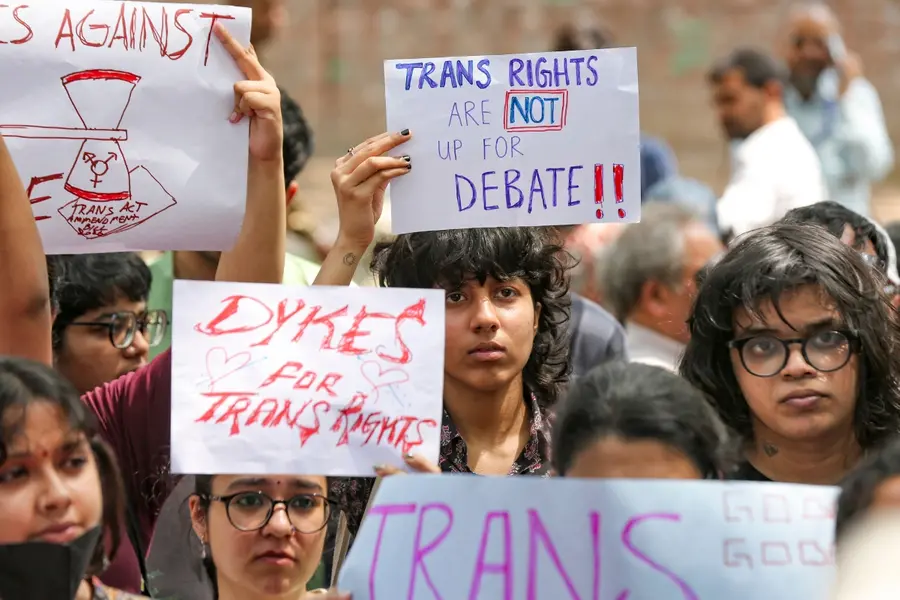
The Transgender Persons (Protection of Rights) Amendment Bill, 2026 was passed in the Rajya Sabha amid opposition protests and demands for deeper scrutiny.
The Bill amends the 2019 Act and introduces changes to the definition of transgender persons, identity certification process, and eligibility criteria for legal recognition. The legislation has sparked debate over constitutional rights, consultation processes, and its alignment with previous judicial rulings, including the NALSA vs Union of India judgment.
Also Read

Passage of the Bill in Parliament
The Bill was introduced by Virendra Kumar and passed in both Houses of Parliament, including the Lok Sabha and the Rajya Sabha. It was cleared through a voice vote in the Upper House. Opposition parties staged protests and walkouts, arguing that the Bill should have been examined by a Select Committee to allow for broader consultation with stakeholders, including legal experts and members of the transgender community.
Key Changes in Definition of Transgender Persons
A central feature of the amendment is the revised definition of a transgender person. The Bill includes individuals with specific socio-cultural identities such as hijra, kinner, aravani, and jogta, as well as persons with intersex variations or congenital differences in sex characteristics.
Unlike the 2019 Act, the amendment places greater emphasis on biological and medical criteria, including chromosomal patterns, genitalia, hormonal functions, and gonadal development. Critics argue that this narrows the definition and excludes individuals who identify as transgender outside these categories.
Removal of Self-Identification Provision
One of the most controversial aspects of the amendment is the removal of the right to self-identification. Under the earlier framework, individuals could declare their gender identity without requiring medical certification.
The amended Bill shifts towards a certification-based system, where identity recognition is granted through administrative authorities such as District Magistrates, potentially with medical input. This change has been criticised for undermining personal autonomy and privacy, as it introduces external validation into what many consider a matter of self-perception.
Certification and Administrative Process
Under the new provisions, transgender identity certificates are issued by District Magistrates. The process may involve consultation with medical professionals if deemed necessary. This introduces a formal bureaucratic mechanism for recognition, which critics argue could create delays and barriers.
Concerns have also been raised about the potential inconsistency in implementation across regions, as the process relies on administrative discretion and interpretation of guidelines.
Opposition Concerns and Constitutional Arguments
Opposition members, including Tiruchi Siva of the Dravida Munnetra Kazhagam (DMK), argued that the Bill may violate fundamental rights under the Constitution. They cited potential conflicts with provisions related to equality, freedom, and personal liberty.
Several MPs contended that the Bill contradicts the principles established in the NALSA vs Union of India judgment, which recognised the right of transgender individuals to self-identify their gender without requiring medical or administrative approval.
Criticism Over Lack of Consultation
Another major criticism is the alleged lack of consultation with stakeholders. Opposition leaders such as Manoj Jha and Priyanka Chaturvedi of Shiv Sena (UBT) argued that the Bill was not adequately discussed with transgender communities, civil society organisations, or expert committees.
Critics maintain that the absence of a Select Committee review limited the opportunity for detailed clause-by-clause examination and public input, which is often considered important for socially sensitive legislation.
Debate on Biological vs Identity-Based Recognition
A key point of contention is the Bill’s approach to gender identity. The amendment is seen as shifting the framework from an identity-based model to one grounded in biological and socio-cultural classifications.
Critics argue that this conflation of sex and gender may exclude non-binary individuals and those who do not fit into traditional categories. They also raise concerns about individuals in transition or those who do not belong to recognised socio-cultural groups.
Concerns Regarding Existing Certificates and Implementation
Questions have been raised about how the amendment will affect individuals who have already obtained identity certificates under the 2019 Act. It remains unclear whether these certificates will continue to be valid or whether individuals will need to undergo a revised certification process.
There are also concerns about uniformity in implementation, given the reliance on district-level authorities and the possibility of varying interpretations of the rules.
Government’s Position
The government maintains that the amendment is intended to refine the legal framework and ensure that welfare measures reach those who face genuine social exclusion. It argues that clearer definitions and certification processes will help prevent misuse and improve targeting of benefits.
Supporters of the Bill view it as an effort to bring administrative clarity and structure to identity recognition, while maintaining protections for vulnerable groups within the transgender community.
The Transgender Persons (Protection of Rights) Amendment Bill, 2026 has introduced significant changes to India’s legal approach to gender identity and recognition. While the government frames it as a measure for clarity and protection, critics argue that it narrows definitions, removes self-identification rights, and may conflict with constitutional principles and judicial precedents. The Bill is expected to face further legal scrutiny and continued public debate after receiving presidential assent.
Published: 28 Mar 2026, 09:12 pm IST
Related Topics
Disclaimer: Kindly avoid objectionable, derogatory, unlawful and lewd comments, while responding to reports. Such comments are punishable under cyber laws. Please keep away from personal attacks. The opinions expressed here are the personal opinions of readers and not that of Mathrubhumi.