
An in-depth analysis of the BJP's multi-dimensional campaign that combined micro-targeted booth management, high-octane cultural outreach and a powerful narrative of change to secure a historic mandate in West Bengal.
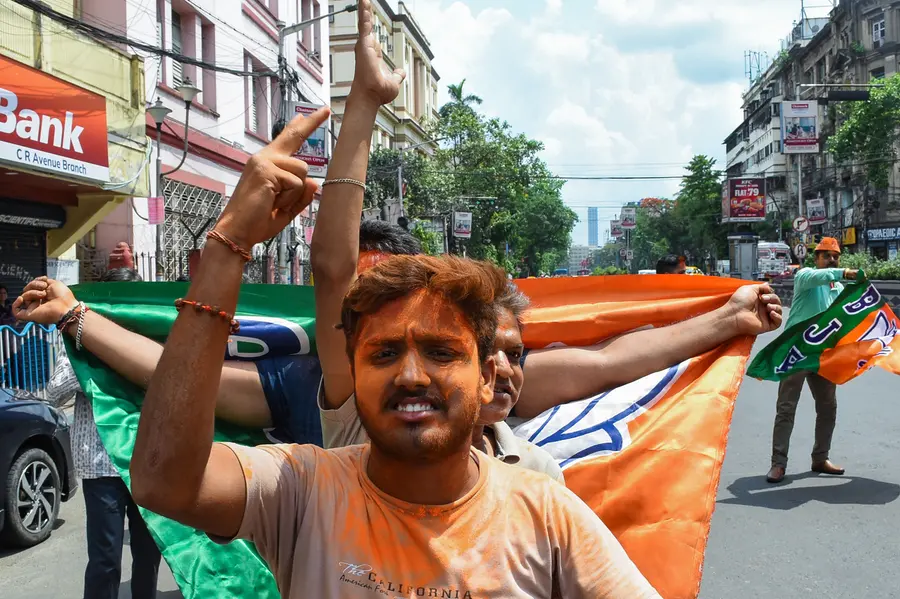
New Delhi: The Bharatiya Janata Party’s decisive triumph in West Bengal, dismantling the long-standing political fortress of Mamata Banerjee, is being hailed by experts as a masterclass in modern campaigning. Analysts point to a sophisticated, multi-tiered approach that balanced high-octane narrative building with meticulous grassroots organisation.
Rather than leaning solely on massive public rallies, the saffron party cultivated a comprehensive engagement ecosystem. This strategy allowed them to penetrate both rural heartlands and urban centers, successfully reaching previously untapped demographic segments.
Engaging youth and culture
A cornerstone of the campaign was the "Narendra Cup" football tournaments. By organising matches for approximately 1,200 men’s teams and 253 women’s teams, the party built a direct bridge to the 18–25 age bracket.
On the cultural front, the 150th-anniversary celebrations of "Vande Mataram" served as a massive mobilisation tool. Through padyatras and collective singing, the party connected with over one lakh participants, blending nationalist sentiment with emotional appeal.
The organisational backbone
The "Parivartan Yatra" acted as a vital pulse-check for the state, featuring nine distinct journeys across 217 constituencies. However, the true "silent organisational backbone" was the Booth Empowerment Campaign. By forming committees across 70,671 booths, the BJP deployed over 8.7 lakh workers to manage voter turnout and last-mile persuasion.
Data-driven precision
Shifting away from broad-stroke campaigning, the BJP utilised deep data analytics from the 2019, 2021 and 2024 elections to identify 210 "focus constituencies." This micro-targeting ensured that resources were concentrated where they could yield the highest impact.
Key campaign pillars
- Accountability: Union Home Minister Amit Shah released a state-level chargesheet, alongside local versions in 220 seats, to frame the election as a referendum on governance.
- Direct benefits: More than 2 crore citizens registered for the "Yuva Bharosa Card" and "Matrishakti Bharosa Card", offering tangible assurances to women and youth.
- Employment focus: The "Chaakri Chai Bangla" initiative tapped into the economic anxieties of job-seekers across the state.
The ‘silent’ strategy
While PM Narendra Modi’s 19 rallies and Amit Shah’s 40-event marathon provided the public momentum, much of the work happened behind closed doors. The party conducted nearly 2 lakh "drawing room meetings" with women and held street-corner sessions at 8,315 Shakti Kendras. These intimate settings allowed for trust-based conversations often lost in the noise of large-scale events.
The "Chup Chaap Kamal Chhaap" (Quietly vote for the Lotus) tactic also proved effective, specifically in urban areas where silent voter mobilisation converted latent support into actual ballots.
Narrative and psychology
The campaign was anchored by emotionally charged slogans that positioned the BJP as a symbol of security and renewal. Analysts noted that phrases like “Banchte Chai, BJP Tai” (We want to live, hence BJP), “Paltano Dorkar, Chai BJP Sarkar” (Change is needed, we want a BJP government), and “Bhay (FEAR) OUT, Bharosa (TRUST) IN” resonated deeply with an electorate seeking a new direction.
IANS
Published: 04 May 2026, 10:53 pm IST
Related Topics
Disclaimer: Kindly avoid objectionable, derogatory, unlawful and lewd comments, while responding to reports. Such comments are punishable under cyber laws. Please keep away from personal attacks. The opinions expressed here are the personal opinions of readers and not that of Mathrubhumi.
