
During the discussions, NSA Doval also flagged concerns over fundraising activities allegedly carried out by Khalistani groups.
New Delhi: The Khalistan issue has long been a source of tension between India and Canada. Bilateral relations deteriorated during Justin Trudeau’s tenure as Canadian Prime Minister, amid allegations that his government was soft on pro-Khalistan elements.
Tensions escalated further after Trudeau levelled allegations against India in connection with the killing of Khalistani separatist Hardeep Singh Nijjar. Following his exit from office, diplomatic efforts were initiated to reset ties, with both sides expressing willingness to address concerns related to the Khalistan issue.
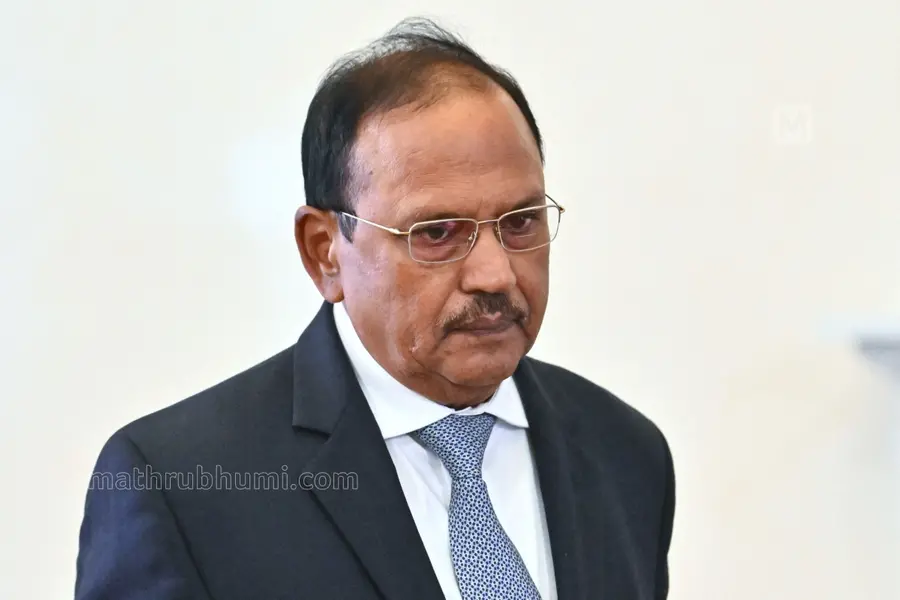
In this context, National Security Advisor (NSA) Ajit Doval’s recent visit to Canada is being seen as significant. During the visit, he held talks with Nathalie Drouin, Deputy Clerk and National Security and Intelligence Advisor to the Canadian Prime Minister, with discussions described as constructive.
Also read | 'IEDs will be planted in police HQs, vehicles': Khalistani outfits’ warning after Nalagarh blast
The outcome was very fruitful, an official said, while adding that this resetting of ties will surely be a major headache for the Khalistani terrorists. They have used Canada as a base for a long time to launch attacks against India. From Canada, they have issued threats to the government of India.
Moreover, all the masterminds of the targeted killings in Punjab are based in Canada. Further, these elements have also been running drug cartels while facilitating the smuggling of drugs, arms and ammunition into Punjab.
One of the highlights of the meeting between the NSAs was the sharing of real-time Intelligence. The main focus would be the Khalistanis, the official said. He also said that this sharing of real-time intelligence would also cover drugs, cyber threats and Sikh extremism.
Another official said that this is probably one of the most constructive meetings in recent times. The Khalistan issue is really getting out of hand. Moreover, this meeting comes at a time when the ISI has set in motion a major plan to revive the Khalistan movement in Punjab.
Recent intelligence inputs indicate that Pakistan’s ISI has allegedly mobilised Khalistani operatives and is awaiting an opportunity to infiltrate them into Punjab. Officials also claim that a surge in narcotics trafficking is being used to finance these activities.
Also read | Pakistan’s terror push against India? Intel warns of ISI’s multi-front strike plan with LeT-JeM
At present, agencies have observed what they describe as a “soft push”, including the appearance of Khalistan flags and related posters in remote areas. Over time, the alleged strategy involves enticing vulnerable youth with financial incentives to join the movement, officials said.
The meeting of the NSAs would derail these plans to a large extent, another official said. While the ISI runs the network, the largest command centre is in Canada, followed by the United Kingdom.
Another important aspect of this meeting was rebuilding trust. Trudeau’s reckless allegation that India’s Intelligence agencies were involved in the killing of Nijjar had led to a diplomatic standoff. Canada had never viewed the Khalistan issue as extremism. It let it thrive under the garb of free speech.
The Doval-Drouin meeting changes this aspect. Both sides have agreed that the Khalistan issue will be viewed as terrorism and organised crime and not free speech. This is a major development, the experts say.
India and Canada have agreed to enhance real-time intelligence sharing on individuals and networks linked to extremist activities, a move officials believe will significantly disrupt their operations.
During the discussions, NSA Doval also flagged concerns over fundraising activities allegedly carried out by Khalistani groups. According to officials, funds have been collected under the guise of charitable initiatives, with some Gurdwaras in Canada reportedly being used for such purposes.
He further underscored the need for joint efforts to dismantle narco-cartels, stating that proceeds from the drug trade are being channelled to support the Khalistan movement. Officials said India has conveyed that the threat posed by these networks extends beyond its borders and could have serious implications for Canada as well.
The Khalistanis have been vocal online and have used social media platforms to push their agenda. They have also used discreet methods to push their agenda. With cooperation and real-time Intelligence sharing these activities would come down drastically, officials say.
The Khalistani elements have sensed these developments and hence were hunting for newer countries such as Italy and Germany. These moves would be very hard since it would involve dismantling the network in Canada that it has set over the last several decades.
The NSA-level talks were held as Canadian Prime Minister Mark Carney prepares for a visit to India in March. During his scheduled meeting with Prime Minister Narendra Modi, both sides are expected to further strengthen bilateral ties and deepen cooperation on security issues.
An Intelligence Bureau official said the latest developments mark the beginning of increased pressure on Khalistani networks. However, he cautioned that there could be attempts at disruption in Punjab, stressing the need for heightened alertness and sustained vigilance. IANS
Published: 09 Feb 2026, 02:11 pm IST
Related Topics
Disclaimer: Kindly avoid objectionable, derogatory, unlawful and lewd comments, while responding to reports. Such comments are punishable under cyber laws. Please keep away from personal attacks. The opinions expressed here are the personal opinions of readers and not that of Mathrubhumi.
