
The judges reiterated that the concern extended beyond dog bites. “While they are running on the road, accidents can occur”
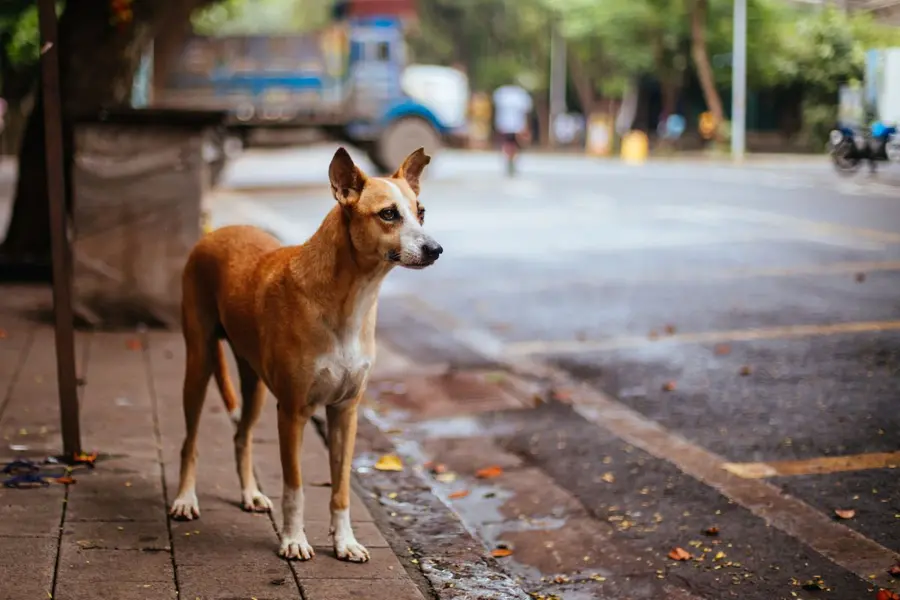
New Delhi: The Supreme Court on Tuesday began hearing a batch of interlocutory applications in the ongoing stray dogs case, with a three-judge bench expressing serious concern over public safety, particularly on roads and highways.
A bench comprising Justices Vikram Nath, Sandeep Mehta and N V Anjaria observed that stray dogs pose risks not only due to biting incidents but also because they can cause traffic accidents. “No one can read an animal’s mind to know whether it is in a mood to bite or not. Prevention is better than cure,” the bench said, adding that roads must be “clear and clean of dogs”.
Questioning the continued presence of stray dogs in public spaces, the court remarked, “They might not bite, but they still cause accidents. Why do we need dogs on streets, schools and institutional areas?”
The bench referred to directions issueda in 2018 for the implementation of the Animal Birth Control (ABC) Rules and asked what progress had been made so far. “Just because the government is not properly implementing the ABC rules, should the common man be left to suffer?” it asked.
ALSO READ | ‘More filings than for humans’: Supreme Court flags flood of pleas on stray dog management
Senior advocate Kapil Sibal, appearing for the petitioners, submitted that aggressive or unruly dogs could be picked up, sterilised and then released back into the same area. In response, the court remarked wryly, “The only thing missing is providing counselling to the dogs so that they do not bite when released back.”
The judges reiterated that the concern extended beyond dog bites. “While they are running on the road, accidents can occur. It is not just about biting,” the bench said. When Sibal argued that dogs usually remain within residential compounds, the court countered, “Your information seems to be outdated.”
Centre’s stand
Solicitor General Tushar Mehta, representing the Centre, suggested that Residents’ Welfare Associations (RWAs) should be given the authority to decide whether stray dogs should be allowed within gated communities.
“While we are all animal lovers, we are also human lovers,” he said, adding that unrestricted accommodation of animals could inconvenience residents. He drew an analogy, asking whether bringing in larger animals, such as buffaloes, should also be permitted.
Earlier directions
Amid a rise in dog bite incidents, the Supreme Court on 7 November last year ordered the removal of stray dogs from educational institutions, hospitals, bus stands, sports complexes and railway stations. It directed that the animals be shifted to designated shelters and not released back into such premises.
In the suo motu proceedings monitoring dog bite cases, the court instructed local authorities to conduct regular inspections to ensure that no stray dog habitats exist within public and government institutions. It said repeated incidents reflected “systemic failure” and administrative apathy.
In July last year, the top court also ruled that all stray dogs in Delhi and adjoining areas must be moved out of residential localities and housed in shelters, citing an “extremely grim” situation due to rabies-related deaths. It warned that any individual or organisation obstructing authorities from picking up stray dogs would face the “strictest action”.
ALSO READ | Kerala mulls creation of ‘dog parks’ to comply with SC ruling
At the same time, the court clarified in subsequent hearings that dogs could be released back into the same area after sterilisation and immunisation, except in cases where they were rabies-infected, suspected to be infected, or displayed aggressive behaviour.
The court has also directed municipal authorities to create designated feeding zones for stray dogs, making it clear that public feeding in unauthorised areas would not be permitted and could invite strict action.
Published: 07 Jan 2026, 03:16 pm IST
Related Topics
Disclaimer: Kindly avoid objectionable, derogatory, unlawful and lewd comments, while responding to reports. Such comments are punishable under cyber laws. Please keep away from personal attacks. The opinions expressed here are the personal opinions of readers and not that of Mathrubhumi.
