
The case stems from a suo motu (on its own motion) action initiated by the apex court in July 2023, following media reports of a spike in rabies cases and dog attacks
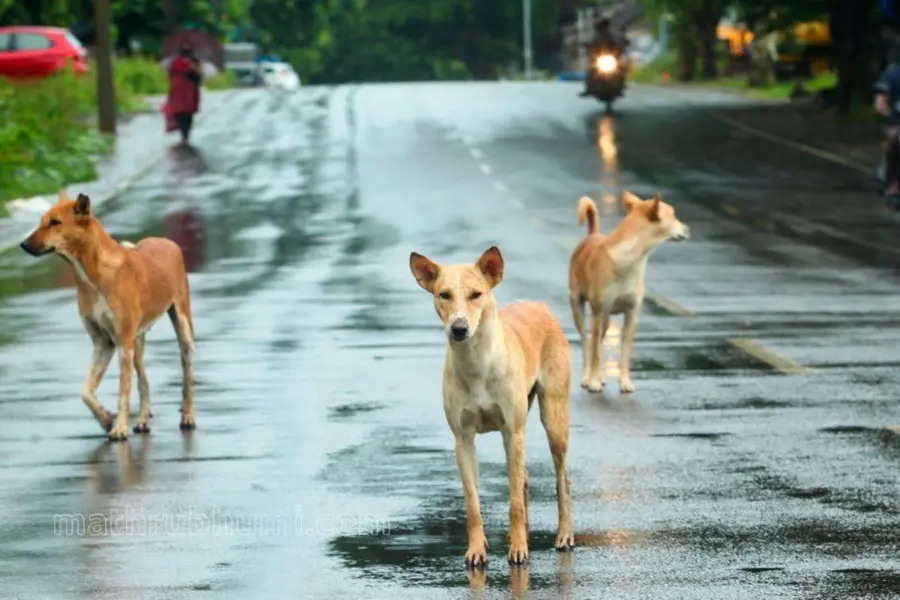
New Delhi: The Supreme Court of India expressed its surprise on Tuesday at the overwhelming volume of legal filings regarding the management of stray dogs, noting that such a high number of interlocutory applications is rarely seen even in human rights cases.
A bench comprising Justices Vikram Nath and Sandeep Mehta made the remarks as multiple lawyers sought to mention various petitions related to the matter.
"More Filings Than for Humans"
During the proceedings, Justice Mehta observed the intensity of the legal activity surrounding the issue. “So many applications normally don't even come in cases of humans,” he remarked, after a lawyer informed the court of a newly filed interlocutory application.
The court is scheduled to hear the matter in full on Wednesday. A three-judge special bench, including Justices Nath, Mehta, and N.V. Anjaria, will preside over the hearing, which encompasses several transfer petitions and pleas from across the country.
Previous Mandates and "Systemic Failure"
The case stems from a suo motu (on its own motion) action initiated by the apex court in July 2023, following media reports of a spike in rabies cases and dog attacks on children in the national capital.
On 7 November last year, the court took a firm stance on what it termed an "alarming rise" in dog bite incidents. Key directives from that ruling include:
Relocation: Stray dogs in "institutional areas"—such as hospitals, schools, and railway stations—must be relocated to designated shelters.
Sterilisation and Vaccination: Authorities are required to vaccinate and sterilise canines before relocation.
No Return: Unlike previous protocols, the court directed that dogs picked up from these sensitive areas should not be released back into the same locations.
Highway Safety: The bench also ordered the immediate removal of cattle and other stray animals from state and national highways to prevent accidents.
The bench previously criticised the recurrence of these incidents as a "systemic failure," citing administrative apathy in securing public premises from preventable hazards.
What’s Next?
The special bench will begin hearing arguments tomorrow, where it is expected to address the backlog of applications and provide further clarity on the implementation of its previous safety directives.
Published: 06 Jan 2026, 03:59 pm IST
Related Topics
Disclaimer: Kindly avoid objectionable, derogatory, unlawful and lewd comments, while responding to reports. Such comments are punishable under cyber laws. Please keep away from personal attacks. The opinions expressed here are the personal opinions of readers and not that of Mathrubhumi.
