
Sonam Wangchuk has called for a “peaceful revolution” in India's political leadership and asked citizens to suggest people who could help shape the country by 2047.
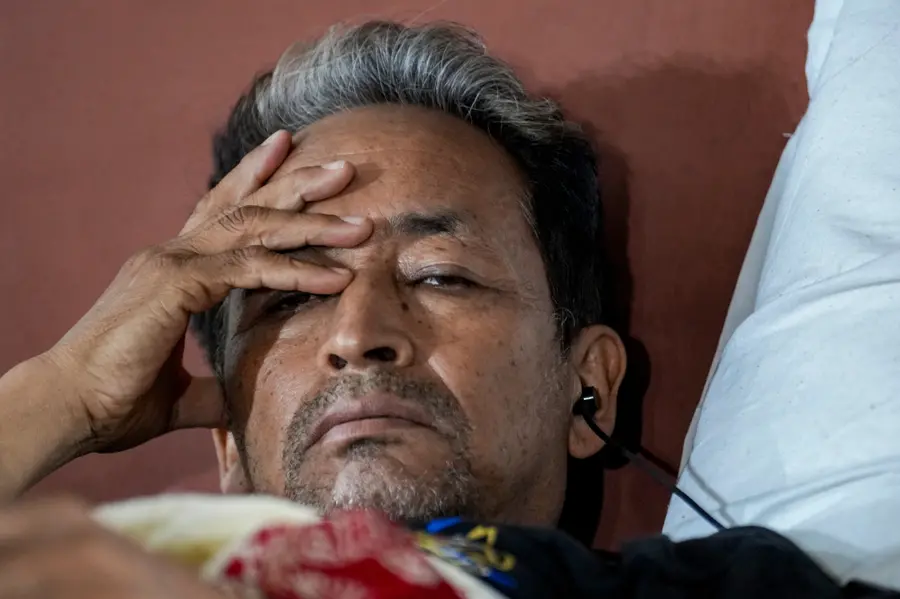
Climate activist Sonam Wangchuk has called for a “peaceful revolution” in the way India chooses its political leaders, asking citizens to suggest people with integrity, courage and public-mindedness who could help shape the country's future by 2047.
In a post on X ahead of Independence Day, Wangchuk said India needs major changes in the way its leaders are selected if the country is to become a developed and respected nation by 2047.
Also Read

He asked people to suggest at least one person from their region whom they consider selfless, fearless and capable of contributing to a national discussion on political and social change.
Wangchuk said he wanted to consult people with “character & substance”, rather than limiting the discussion to academics or intellectuals.
Why Wangchuk is calling for change
Wangchuk linked India's development to the quality of its political leadership and education system.
In a video accompanying his appeal, he said he was concerned about India's progress compared with several neighbouring and Asian countries when measured by per-capita GDP.
He argued that weaknesses in education and political leadership could prevent India from achieving its development ambitions by 2047.
Concerns over criminal cases against MPs
Wangchuk also highlighted the presence of criminal cases among elected representatives.
He claimed that close to half of India's MPs have criminal cases and around one-third face serious charges, including allegations involving murder, rape and kidnapping.
These figures refer to criminal cases or charges and should not be interpreted as convictions.
Wangchuk said such circumstances contribute to what he described as a growing “trust deficit” in the country.
He says the issue is not about one party
Wangchuk said his criticism was not directed at one particular political party.
He referred to what he sees as a broader problem involving political leadership and the treatment of dissent across different states and governments.
He also cited the anti-corruption movement of 2012-13, arguing that although the movement contributed to political change, corruption and injustice had not disappeared.
What is Wangchuk proposing?
Rather than announcing a new political organisation or electoral platform in the post, Wangchuk is seeking to begin a wider consultation.
He wants citizens to identify people who could participate in discussions about:
- How political leadership should be selected
- How governance can be improved
- How education can contribute to India's development
- How public trust in institutions can be strengthened
- What changes are needed to meet India's 2047 ambitions
He described this proposed effort as potentially becoming India's “2nd Independence movement”.
Why the appeal matters
Wangchuk's appeal comes ahead of India's Independence Day and places political leadership at the centre of a broader discussion about the country's development by 2047.
His comments also connect with ongoing debates about criminalisation in politics, political accountability, education, governance and public trust.
At this stage, his post is primarily a call for consultation and citizen participation, rather than a formal announcement of a new political party or electoral campaign.
Analysis
The central question in Wangchuk's appeal is how India chooses its political representatives and what standards voters should expect from leadership.
His reference to criminal cases against MPs draws attention to a long-standing issue in Indian politics. However, the distinction between allegations, pending cases and convictions is important when discussing candidates' criminal records.
His 2047 reference also connects his appeal to India's broader development target as the country approaches 100 years of independence. Wangchuk is arguing that economic progress alone is insufficient without improvements in education, governance and political accountability.
The phrase “peaceful revolution” therefore appears to refer to systemic and democratic change rather than an armed movement. His immediate request is for citizens to recommend people he believes could contribute to a wider national conversation about leadership and reform.
Published: 14 Aug 2026, 08:19 am IST
ABOUT THE AUTHOR
Disclaimer: Kindly avoid objectionable, derogatory, unlawful and lewd comments, while responding to reports. Such comments are punishable under cyber laws. Please keep away from personal attacks. The opinions expressed here are the personal opinions of readers and not that of Mathrubhumi.