
RoDTEP gets a three-month extension: Exporters can continue claiming eligible duty and tax refunds until December 31, 2026.
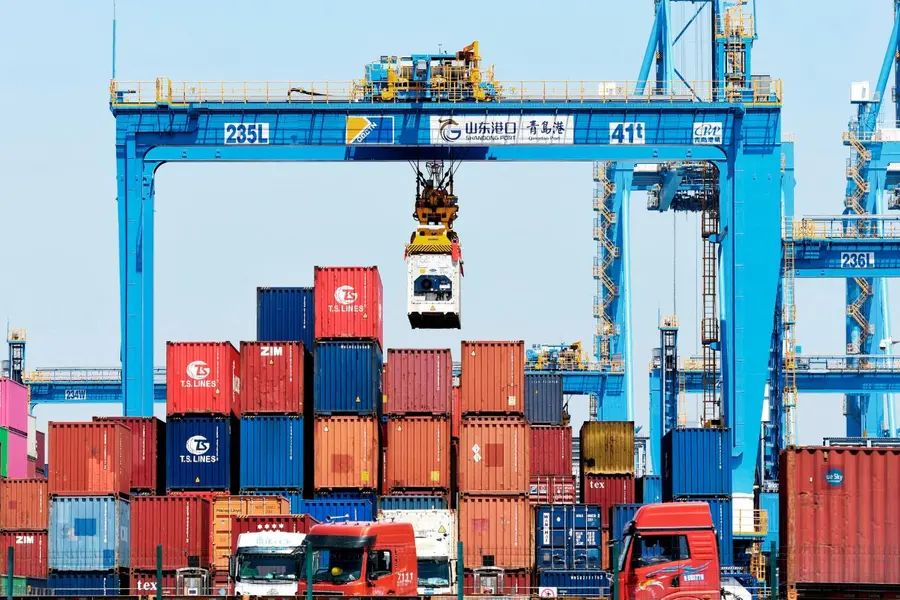
The government has extended the Remission of Duties and Taxes on Exported Products (RoDTEP) scheme for another three months, allowing eligible exporters to claim benefits until December 31, 2026.
What is the RoDTEP scheme?
The RoDTEP scheme provides refunds of certain taxes, duties and levies incurred during the manufacture and distribution of exported goods when these costs are not reimbursed through another mechanism at the Centre, state or local level.
Launched in 2021, the scheme is aimed at reducing the tax and duty burden embedded in exported products and improving the competitiveness of Indian exporters.
How long has the scheme been extended?
The scheme was scheduled to expire on September 30, 2026. The Directorate General of Foreign Trade (DGFT) has now extended it until December 31, 2026.
According to the DGFT notification, the extension covers eligible exports from:
- Domestic tariff area (DTA) units
- Advance authorisation (AA) units
- Special economic zone (SEZ) units
- Export-oriented units (EOUs)
How much refund do exporters receive?
Refund rates under RoDTEP currently range from 0.3% to 3.9%, depending on the exported product and applicable rate.
The scheme covers duties, taxes and levies that are not refunded through other mechanisms, helping exporters recover certain costs incurred during the production and distribution process.
What does the extension mean for exporters?
The three-month extension provides continuity to eligible exporters who would otherwise have faced the scheme's scheduled expiry at the end of September.
It also gives the government additional time to determine the longer-term framework for export-related duty and tax remission measures.
The RoDTEP scheme had a budget allocation of Rs 18,232 crore for 2025-26. The allocation for the current financial year was Rs 10,000 crore.
Why the extension matters
The RoDTEP extension comes as exporters continue to operate in an environment shaped by global trade uncertainties, changing tariff structures and competitive pressures.
By continuing the refund mechanism until December 31, the government maintains access to the scheme for eligible exports for another quarter. The short-term extension also leaves open the question of what framework will apply after December 31 and whether the government will make further changes to rates, coverage or funding.
For exporters, the immediate impact is continuity rather than a new benefit: eligible shipments can continue to receive RoDTEP support under the applicable rules during the extended period.
Published: 30 Sept 2026, 09:15 pm IST
ABOUT THE AUTHOR

Related Topics
Disclaimer: Kindly avoid objectionable, derogatory, unlawful and lewd comments, while responding to reports. Such comments are punishable under cyber laws. Please keep away from personal attacks. The opinions expressed here are the personal opinions of readers and not that of Mathrubhumi.