
Reliance increases LPG production at Jamnagar to ensure energy security amid import disruptions. Read how India is managing domestic supply.
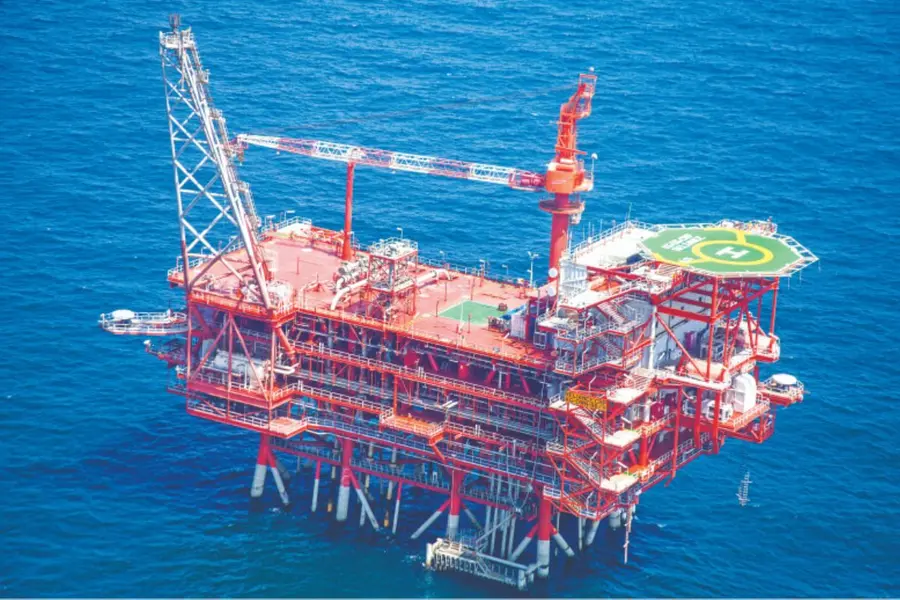
Amid the ongoing war between Israel, the United States and Iran that has interrupted LPG imports, which account for about two-thirds of India's 31-33 million tonnes annual consumption, Reliance Industries Ltd (RIL) announced proactive measures on Wednesday to maximize LPG production at its Jamnagar refining and petrochemical complexes -- the world's largest integrated refining hub -- in alignment with government guidelines.
The measures are aimed at prioritizing uninterrupted fuel access for Indian households amid volatile global energy markets.
In a statement, the company said its teams are operating around the clock to optimize refinery processes and boost LPG output, ensuring stable supplies to the domestic market. Simultaneously, natural gas from the KG-D6 Basin will be diverted to support priority sectors, reflecting national energy priorities.
"For Reliance, India’s energy security and the well-being of millions of Indian families always come first," the statement emphasized. The company pledged continued close collaboration with the Government of India, full compliance with national guidelines, and firm support for essential energy supplies to critical sectors and communities.
India sources 85-90% of its LPG from the Middle East. This has led to supply halts for commercial cylinders since early March 2026, alongside delays in household refills.
Shortages hit hardest in Mumbai, Chennai, Bengaluru, and Kolkata, where 20% of hotels and restaurants in Mumbai have closed temporarily. Hospitality sectors report irregular supplies, menu cuts, and black market risks for domestic cylinders used illegally in commercial settings.
The Union government invoked emergency powers on March 6, directing refiners like Indian Oil, Bharat Petroleum, and Hindustan Petroleum to maximize LPG output from propane and butane streams, prioritizing domestic use. Prices rose by Rs 60 for 14.2-kg household cylinders and Rs 115 for 19-kg commercial ones effective March 7.
A 25-day minimum interval between subsidized cylinder bookings curbs hoarding. Imported LPG reserves go to essential non-domestic sectors like hospitals and schools. A committee of three Executive Directors from Indian Oil, BPCL, and HPCL reviews requests from hotels, restaurants, and other industries, approving based on necessity and availability.
Published: 11 Mar 2026, 11:34 am IST
Related Topics
Disclaimer: Kindly avoid objectionable, derogatory, unlawful and lewd comments, while responding to reports. Such comments are punishable under cyber laws. Please keep away from personal attacks. The opinions expressed here are the personal opinions of readers and not that of Mathrubhumi.
