
Still waiting for your tax refund? Here’s why you may have received a notice and how to fix it.
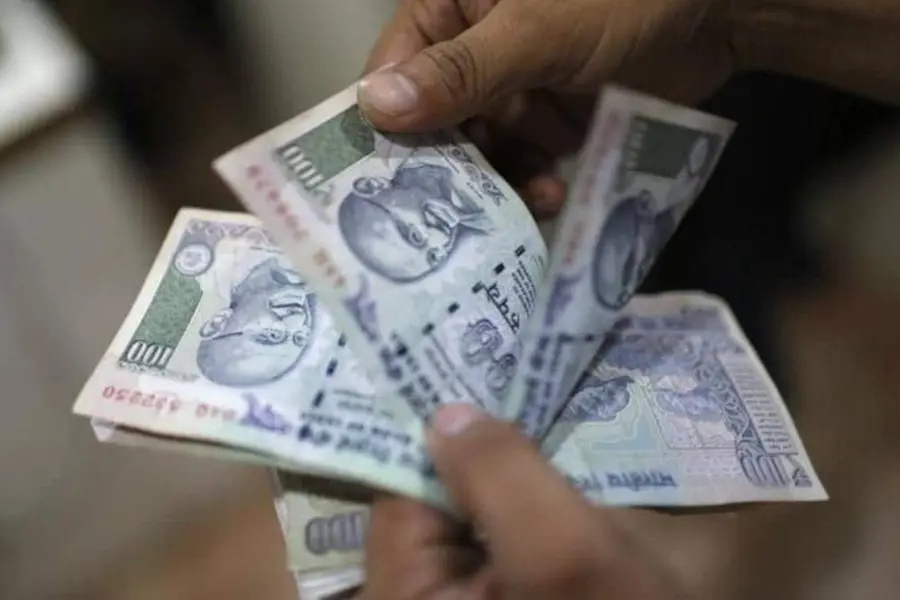
Many taxpayers filing returns for AY 2025–26 are still waiting for their income tax refunds, with several receiving notices or intimation emails instead of the expected credit. Refunds are often held up due to mismatches in the return, unverified filings or deductions flagged for further scrutiny. Here’s a detailed look at why your refund may be delayed and how you should respond.
A common reason for refund holdups is ITR verification not being completed. Filing the return alone is not enough — verification through Aadhaar OTP, net banking, EVC or sending a signed ITR-V to CPC Bengaluru is mandatory. An unverified ITR is treated as invalid, which stops the refund from being processed.
Income mismatch issues
Refunds may also be withheld if the Income Tax Department detects discrepancies between your declared income and data in Form 26AS, AIS or TIS. Any mismatch in income or TDS details reported by employers, banks or financial institutions can trigger a notice seeking clarification.
Intimation under Section 143(1)
Taxpayers often receive an intimation under Section 143(1), which summarises the department’s preliminary assessment. This may reflect a reduced refund, an additional tax demand or minor adjustments due to arithmetic errors, disallowed deductions or mismatched TDS. Reviewing the intimation carefully and comparing it with your original return is crucial.
Pending tax dues
Refunds can be adjusted against outstanding tax demands from earlier years. The department typically informs taxpayers before making such adjustments. Logging in to the portal to verify the demand and responding if it is incorrect or already paid is essential.
Incorrect bank details
Another frequent cause of delays is incorrect or non-validated bank account information. Refunds are issued only to pre-validated PAN-linked accounts. Closed or inactive accounts can lead to refund failure. Updating and validating the correct bank account usually resolves this.
Requests for clarification
Sometimes taxpayers receive notices seeking extra information on high-value transactions, substantial deductions, capital gains or foreign income. These notices must not be ignored; failing to respond within the time frame can escalate the issue or lead to tax demands.
What taxpayers should do
Log in to the e-filing portal and check the notice under ‘e-Proceedings’ or ‘Pending Actions’. Download and read it thoroughly. Compare details with your ITR, Form 26AS and AIS. If the calculations are accurate, accept the changes. If incorrect, submit a detailed response with supporting documents.
Taxpayers should also track refund status separately. Even without a notice, refunds may take time due to heavy processing load, especially during peak filing periods. If the status says “Refund issued” but the amount is not credited, contact your bank with the refund reference number.
Ignoring tax notices can lead to penalties, interest or reassessment. Prompt responses and proper documentation often ensure quicker resolution and faster release of refunds.
Published: 12 Jan 2026, 11:29 am IST
Related Topics
Disclaimer: Kindly avoid objectionable, derogatory, unlawful and lewd comments, while responding to reports. Such comments are punishable under cyber laws. Please keep away from personal attacks. The opinions expressed here are the personal opinions of readers and not that of Mathrubhumi.
