
Filing early can help taxpayers avoid last-minute technical glitches, penalties and missed tax benefits
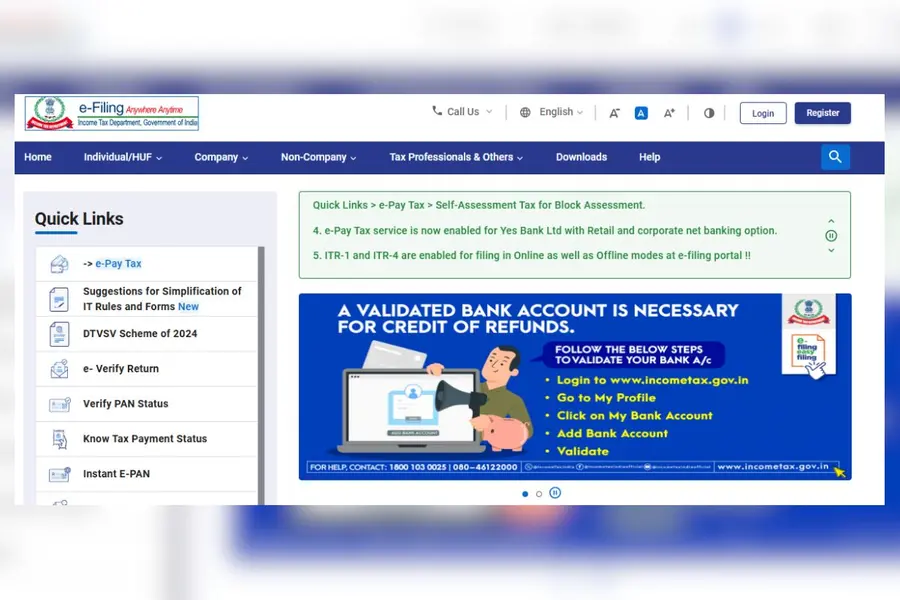
With the deadline fast approaching, only few taxpayers have filed their Income Tax Returns (ITRs) this year. For most salaried individuals and other eligible taxpayers, July 31 remains the last date to file returns. Since the required forms were released well in advance, experts believe there is little chance of another extension. Filing early can help taxpayers avoid last-minute technical glitches, penalties and missed tax benefits.
ITR filing so far
• ITR-1 & ITR-2 filing (current): 64 lakh
• Filed at the same time last year: Over 2 crore
• Drop compared to last year: 68%
• Total registered users: 13.93 crore
• Total returns filed so far: 1.44 crore
• Returns e-verified: 1.37 crore
At this point last year, around 42% of the expected returns had been filed. This year, the figure stands at just 13%.
Why are taxpayers delaying?
Many taxpayers expect the government to extend the filing deadline, as it did last year when the due date was pushed to September.
Why another extension is unlikely
The Income Tax Department had released ITR-1 and ITR-2 forms well in advance this year, allowing taxpayers sufficient time to file. This early rollout is one of the reasons officials are not expected to extend the deadline.
Different deadline for business taxpayers
Taxpayers filing ITR-3 and ITR-4, mainly those with business or professional income, have time until August 31. They were granted additional time because those forms required revisions.
Why filing at last minute is risky
• Heavy last-minute traffic may slow down or disrupt the online filing portal.
• Rushing the filing process could result in missing eligible deductions or exemptions.
• Incorrect calculations may reduce the refund amount due.
• Technical issues on the portal could prevent timely submission.
Penalty for missing deadline
Those who fail to file their return by July 31 can still submit a belated return until December 31, but a late filing fee will apply.
• Late fee: Up to Rs 5,000
• If taxable income is below Rs 5 lakh: Late fee is Rs 1,000
• E-verification is mandatory to receive tax refund. Failure to complete e-verification on time could delay or even jeopardise the refund.
Published: 08 Jul 2026, 10:58 am IST
Related Topics
Disclaimer: Kindly avoid objectionable, derogatory, unlawful and lewd comments, while responding to reports. Such comments are punishable under cyber laws. Please keep away from personal attacks. The opinions expressed here are the personal opinions of readers and not that of Mathrubhumi.
