
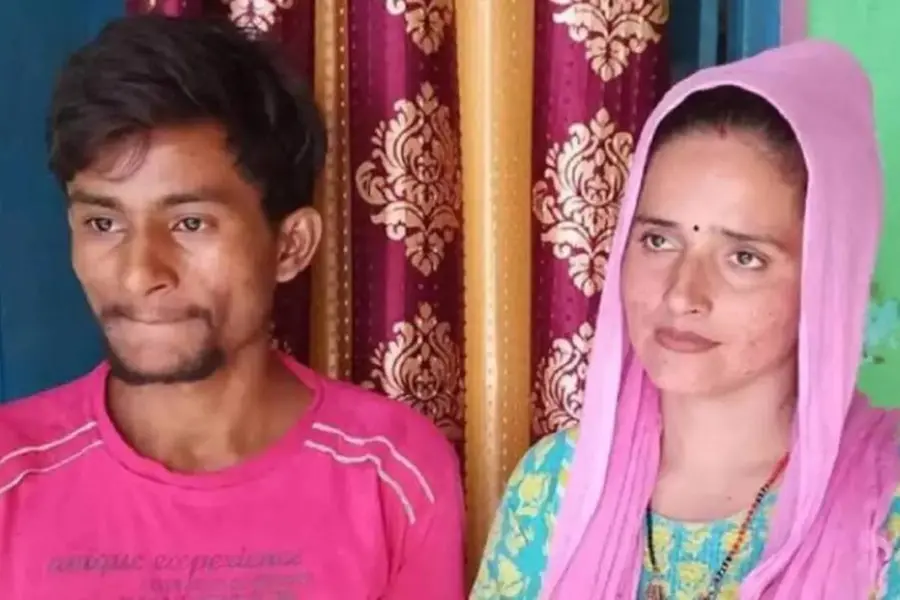
Amid mounting tensions between India and Pakistan following the recent terror attack in Jammu and Kashmir’s Pahalgam that killed 26 tourists, Pakistani national Seema Haider could now face expulsion from the country. As the Indian government launched a string of stern measures against Pakistan, questions are being raised over whether Seema, who entered India after falling in love with an Indian man through an online game, will now be forced to return.
Fallout from the attack brings tighter rules
In the wake of the Pahalgam attack, India swiftly moved to scale down diplomatic ties with Pakistan. The Centre has expelled Pakistani defence officials, suspended the decades-old Indus Waters Treaty, closed the Attari border, and barred Pakistani citizens from availing themselves of the SAARC Visa Exemption Scheme (SVES). As part of these directives, all Pakistani nationals currently in India under SVES have been ordered to leave.
Though Seema Haider did not enter under SVES, the government’s aggressive posture towards Pakistan has sparked speculation about whether she, too, may be asked to exit India.
Who is Seema Haider?
Seema, 32, originally from Jacobabad in Sindh province, made headlines in mid-2023 after Indian authorities found her living with Indian man Sachin Meena in Greater Noida, Uttar Pradesh. The two had reportedly developed a romantic relationship in 2019 after connecting through the mobile game PUBG.
According to reports, she left Karachi with her four children in May 2023 and entered India via Nepal, allegedly bypassing formal immigration channels. Her sudden arrival and the love story behind it captured widespread public attention.
Seema and Sachin were briefly arrested in July last year—she for unlawful entry and he for harbouring an illegal immigrant. They were later released on bail. Since then, Seema has claimed she converted to Hinduism and married Sachin, with whom she recently welcomed a baby girl. Despite these developments, her legal status in India remains unresolved, and she has not been granted Indian citizenship.
The woman’s former husband, Ghulam Haider, a Pakistani national, had previously hired an Indian lawyer in an attempt to regain custody of their children.
Could she be sent back?
Legal experts believe the Centre’s latest directive could potentially impact Seema. According to a news outlet, an advocate suggested that while the order broadly applies to all Pakistani citizens, Seema’s situation is far from straightforward. He noted that the final decision is likely to hinge on the Uttar Pradesh government’s stance and the findings of any adverse reports filed by state authorities.
Sabbak added that given her familial ties—including a child with an Indian citizen—the case might warrant special consideration before any deportation orders are made.
Public reaction and political pressure
As with much surrounding India-Pakistan relations, public sentiment remains divided. On one side are those advocating for a humanitarian approach, pointing to her marriage and family in India. Others argue that immigration rules must be enforced strictly, regardless of personal circumstances.
Seema continues to assert her integration into Indian life, frequently appearing in videos that highlight her new religious identity and domestic life in Rabupura, Greater Noida. Yet, without formal citizenship and given the current political climate, her stay remains legally precarious.
Published: 24 Apr 2025, 09:10 pm IST
Disclaimer: Kindly avoid objectionable, derogatory, unlawful and lewd comments, while responding to reports. Such comments are punishable under cyber laws. Please keep away from personal attacks. The opinions expressed here are the personal opinions of readers and not that of Mathrubhumi.
