
Prestige Group has signed a ₹115 crore agreement with BMRCL to secure 30-year co-branding and naming rights for Bengaluru’s Bellandur Metro Station
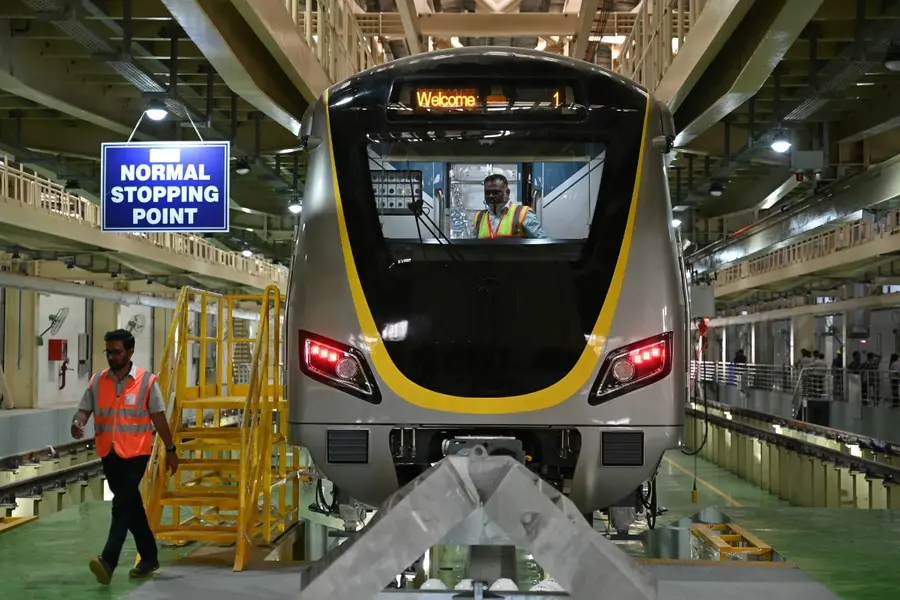
Prestige Group has entered into a definitive agreement with the Bangalore Metro Rail Corporation Limited (BMRCL) to adopt and co-brand Bellandur Metro Station in Bengaluru. Under the ₹115 crore deal, the station will be renamed “Prestige Bellandur Metro Station” for a concession period of 30 years.
The agreement provides Prestige Group with exclusive station naming rights, around 3,000 sq. ft. of commercial space inside the station, and approximately 1,000 sq. ft. of advertising entitlement. The company may also develop a future elevated connectivity bridge linking the station to Prestige Lakeshore Drive, strengthening last-mile transit access.
Also Read

Prestige Group stated that station upgrades will include interior improvements, finishing works, and infrastructure enhancements aligned with international metro standards and Indian Green Building Council (IGBC) sustainability benchmarks. The objective is to create a modern, eco-friendly transit experience for daily commuters.
The Bellandur Metro Station is located on Bengaluru’s 17 km Outer Ring Road (ORR) Metro Corridor connecting Silk Board to KR Puram. The location serves as a major employment hub, supporting thousands of technology and corporate sector professionals working in the surrounding micro-market.
According to Prestige Group, the partnership reflects a public–private collaboration model that integrates transit infrastructure development with private investment. The company said the initiative aims to improve urban mobility while supporting the ecosystem around Prestige Lakeshore Drive and the ORR office belt.
Officials described the project as part of a broader strategy to develop integrated urban environments combining workplaces, transport access, and community infrastructure. Such branding agreements are increasingly being explored by metro authorities in Indian cities to generate non-fare revenue and support station modernization.
The agreement also highlights Bengaluru’s growing focus on transit-oriented development, where real estate, corporate spaces, and public transport networks are planned together to improve commuter convenience and urban efficiency.
Published: 22 Feb 2026, 12:51 pm IST
Related Topics
Disclaimer: Kindly avoid objectionable, derogatory, unlawful and lewd comments, while responding to reports. Such comments are punishable under cyber laws. Please keep away from personal attacks. The opinions expressed here are the personal opinions of readers and not that of Mathrubhumi.