
The NEET-UG re-examination was conducted under heightened security arrangements across the country.
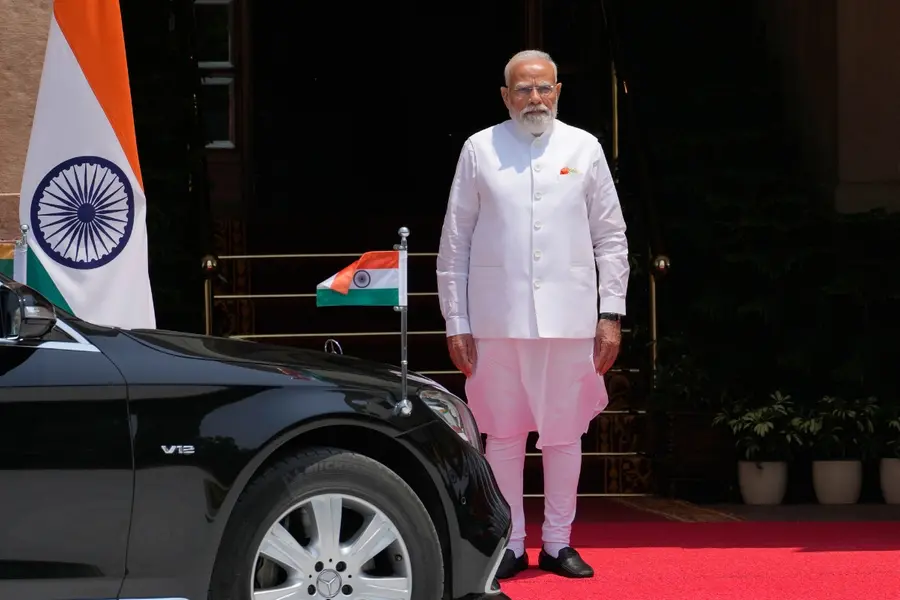
New Delhi: Prime Minister Narendra Modi on Sunday delayed his departure from Delhi Airport to ensure that students travelling to NEET-UG re-examination centres did not face any inconvenience due to traffic restrictions associated with VIP movement.
According to an India Today report, Modi arrived at the airport around 1:15 pm but chose to remain there instead of immediately proceeding to his residence. The decision was taken as the NEET-UG re-examination was scheduled to begin at 2 pm, a time when thousands of candidates were making their way to examination centres across the capital and other parts of the country.
Officials said the Prime Minister wanted to ensure smooth traffic flow and avoid any disruption that could affect students appearing for the crucial medical entrance examination. Traffic diversions and temporary restrictions are often imposed during the movement of the Prime Minister's convoy.
After the examination commenced at 2 pm, Modi left the airport for his residence.
The NEET-UG re-examination was conducted under heightened security arrangements across the country. More than 22.79 lakh candidates are eligible to appear for the test, which is being held at 5,440 centres in 551 cities across India and 14 international locations.
The National Testing Agency (NTA) has put in place extensive security measures, including CCTV surveillance, metal detector checks at entry points, signal jammers supplied by ECIL and BEL, and the deployment of two invigilators in every examination room. More than ten officials have been stationed at each centre to ensure the smooth conduct of the examination.
The NTA deployed an extensive security network for the examination, including 38,795 frisking personnel, 48,448 biometric verification staff for facial authentication, nearly 6,700 observers, more than 100 virtual observers, and an average of 40-50 security personnel at each examination centre.
To safeguard the transportation and handling of confidential exam materials, police forces, paramilitary personnel, the Indian Air Force, and the Department of Posts were mobilised, while all sensitive materials were verified through custodian banks.
Candidate welfare measures were also strengthened, with centres providing drinking water, ORS, ambulances, shaded waiting areas, and seating arrangements for parents. Examination halls were equipped with wall clocks and additional rough sheets, including special provisions for left-handed candidates, while candidates were granted extra time to compensate for enhanced security and entry procedures.
Published: 21 Jun 2026, 03:24 pm IST
Related Topics
Disclaimer: Kindly avoid objectionable, derogatory, unlawful and lewd comments, while responding to reports. Such comments are punishable under cyber laws. Please keep away from personal attacks. The opinions expressed here are the personal opinions of readers and not that of Mathrubhumi.
