
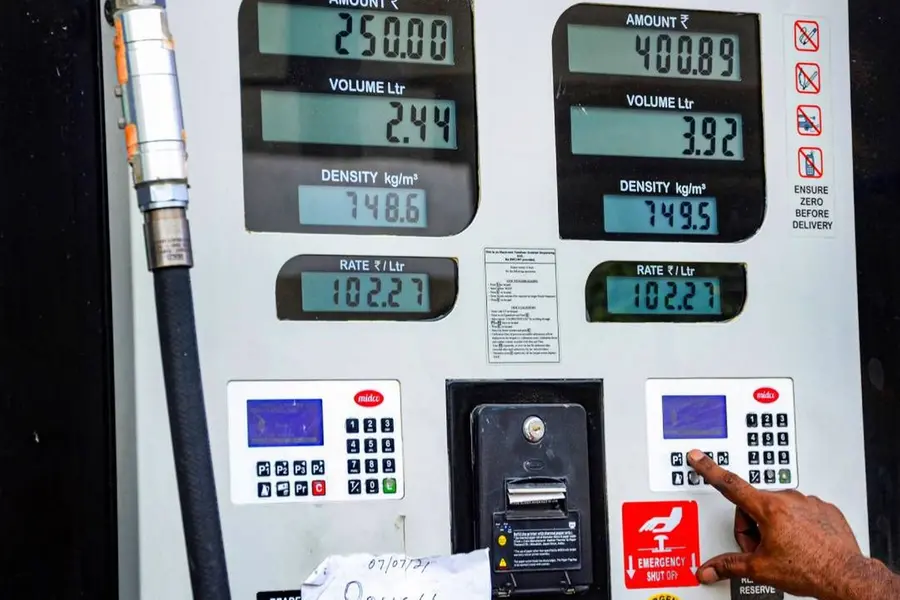
The Union government has increased the excise duty on petrol and diesel by Rs 2 per litre each. The revised rates—Rs 13 per litre for petrol and Rs 10 for diesel—were notified by the Department of Revenue and will take effect from April 8. This marks a fresh move by the Centre following a similar adjustment in December 2024 when windfall profit taxes on domestically-produced crude and petroleum exports were scrapped.
Why was the hike introduced?
The revision appears to be a response to the recent fall in international crude oil prices. Industry analysts believe the government is using the opportunity to bolster revenue without increasing prices at the pump. Marketing margins had risen significantly, giving the government space to absorb the excise hike without affecting end consumers directly.
Will fuel prices go up?
Despite the excise duty revision, retail prices of petrol and diesel are unlikely to change immediately. Public sector oil marketing companies have reportedly been advised by the Petroleum Ministry to maintain current rates, effectively shielding consumers from a potential price rise in the short term.
Union Minister for Petroleum and Natural Gas, Hardeep Singh Puri, assured that the excise hike will not affect retail fuel prices.
"Let me clarify upfront on the record, this will not be passed on to the consumer...The international price of crude came down to around $60 a barrel, but please remember that our oil marketing companies carry inventories over a 45-day period. If you go back to January, the crude price then was $83, which came down subsequently to $75. So the crude inventory that they're carrying is at $75 on average per barrel...You can legitimately expect prices of petrol and diesel to be moderated by the oil marketing companies in keeping with the global price. In a deregulated sector, you can expect them to accordingly adjust the market retail price," he said.
What happens next?
As the new rates come into force, analysts will closely watch whether global crude trends continue downward, offering further relief to consumers or pressure on margins if prices rebound.
Published: 07 Apr 2025, 03:34 pm IST
Related Topics
Subscribe to our Newsletter
Disclaimer: Kindly avoid objectionable, derogatory, unlawful and lewd comments, while responding to reports. Such comments are punishable under cyber laws. Please keep away from personal attacks. The opinions expressed here are the personal opinions of readers and not that of Mathrubhumi.
